
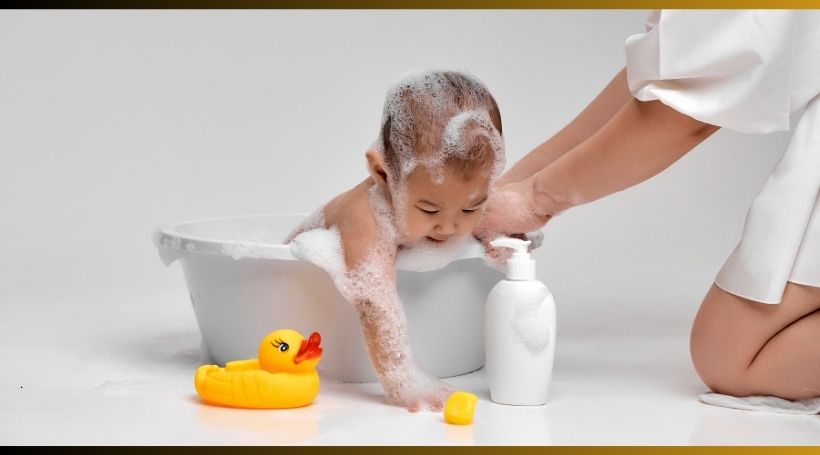
Taking care of your baby’s hygiene can feel overwhelming, especially when you want to do everything right. You want to keep your little one clean, comfortable, and healthy, but where do you start?
Knowing the essential items and simple routines can make all the difference. You’ll discover the must-have baby hygiene essentials every parent should know. These tips will help you feel confident and prepared, so you can focus on what really matters—enjoying those precious moments with your baby.
Keep reading to find out how to make baby care easier and safer for both of you.
Bathing Basics
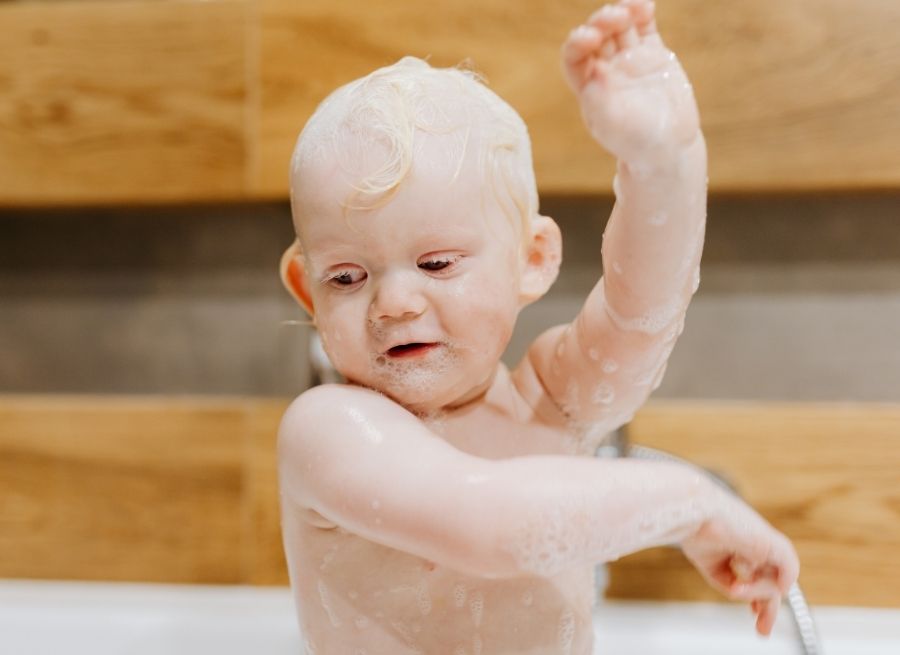
Bathing is an important part of keeping your baby clean and comfortable. It helps remove dirt, sweat, and oils from their delicate skin. Bath time can also be a special moment for bonding and calming your little one. Understanding the basics of bathing will make this routine safe and pleasant for both of you.
Choosing The Right Bathing Products
Select products made especially for babies. Look for gentle soaps and shampoos without strong chemicals. Fragrance-free and hypoallergenic options reduce the risk of skin irritation. Use soft washcloths to clean your baby’s skin. Avoid adult products that can be too harsh.
Safe Bathing Practices
Always check the water temperature before bathing. It should be warm, not hot. Keep one hand on your baby at all times to prevent slipping. Use a small baby tub or sink for support. Never leave your baby unattended, even for a moment. Keep all supplies within reach to stay focused on your baby.
Bathing Frequency Tips
Newborns do not need daily baths. Bathing two to three times a week is enough. Too much bathing can dry out their skin. Clean the face, neck, and diaper area daily with a damp cloth. Adjust the frequency based on your baby’s skin condition and activity level.
Diaper Care
Diaper care is a key part of keeping a baby clean and comfortable. It helps stop skin problems and keeps babies happy. Good diaper care means choosing the right products and following the right steps every time.
Parents must know what to pick and how to change diapers. This helps avoid common issues like rashes and irritation. Clean diaper habits protect a baby’s delicate skin.
Selecting Diapers And Wipes
Choose diapers that fit your baby well. They should be snug but not too tight. Look for soft, breathable materials that keep moisture away from the skin. Disposable and cloth diapers both have pros and cons. Pick what suits your lifestyle and budget.
Use gentle, unscented wipes for cleaning. They reduce the risk of skin irritation. Avoid wipes with alcohol or harsh chemicals. Keep wipes handy for quick and easy cleaning during changes.
Preventing Diaper Rash
Change diapers often to keep skin dry. Leaving a dirty diaper on too long causes rashes. Use a diaper cream or ointment as a barrier. It protects skin from moisture and irritation.
Let the baby’s skin breathe when possible. Give some diaper-free time daily. This helps the skin stay healthy and strong.
Proper Diaper Changing Steps
Wash your hands before and after each diaper change. Lay your baby on a clean, flat surface. Remove the dirty diaper carefully, folding it inside out.
Clean the baby’s bottom gently with wipes. Wipe from front to back to avoid infection. Let the skin dry completely before putting on a new diaper.
Fasten the new diaper snugly but comfortably. Check the fit around the legs and waist. Dispose of the dirty diaper properly to keep the area clean.
Skin Care
Baby skin is delicate and needs gentle care every day. It is thinner than adult skin and can dry out easily. Proper skin care helps keep your baby comfortable and healthy. Knowing how to care for your baby’s skin is important for preventing problems.
Moisturizing Baby Skin
Apply a mild, fragrance-free moisturizer after baths. This keeps your baby’s skin soft and stops dryness. Use products made for babies to avoid irritation. Moisturize at least twice daily, especially in dry weather. Pay attention to elbows, knees, and cheeks.
Dealing With Common Skin Issues
Rashes, cradle cap, and eczema are common in babies. Use gentle cleansers and avoid harsh soaps. For cradle cap, softly brush the scalp with a baby brush. Eczema needs moisturizing creams and sometimes doctor advice. Keep the skin clean and dry to reduce rashes.
Protecting Against Sun Exposure
Baby skin burns easily under the sun. Keep your baby in the shade during peak hours. Dress your baby in light, long-sleeve clothes and a hat. Use baby-safe sunscreen on small skin areas if needed. Avoid direct sunlight for babies under six months.
Oral Hygiene
Oral hygiene is important for babies even before their teeth appear. Healthy gums set the stage for strong, clean teeth later. Starting good habits early helps prevent problems like tooth decay and gum disease.
Cleaning Your Baby’s Gums
Before teeth grow, clean your baby’s gums daily. Use a soft, damp cloth or a special gum wipe. Gently rub the gums to remove milk and bacteria. This keeps the mouth fresh and healthy.
When To Start Brushing Teeth
Begin brushing as soon as the first tooth appears. Use a small, soft-bristled toothbrush designed for babies. Brush twice a day with gentle, circular motions. This helps remove food and plaque buildup early on.
Choosing Baby Toothpaste And Brushes
Pick toothpaste made for babies, usually fluoride-free or low fluoride. Use only a tiny smear, about the size of a grain of rice. Choose a small brush with a soft head to protect delicate gums. Replace toothbrushes every three months or sooner if worn out.
Hair Care
Baby hair needs special care to stay healthy and soft. Their scalp is delicate and requires gentle handling. Proper hair care helps prevent discomfort and keeps your baby happy.
Choosing the right products and knowing how to care for baby hair is important. A simple routine can make a big difference.
Gentle Shampoo Selection
Pick shampoos made for babies. These are free from harsh chemicals and fragrances. Look for labels that say “tear-free” and “hypoallergenic.” Avoid adult shampoos. They can dry out your baby’s scalp. Use shampoo sparingly. A small amount is enough for gentle cleaning.
Brushing And Styling Tips
Use a soft-bristle brush or a wide-tooth comb. This prevents hair breakage and scalp irritation. Brush hair gently, especially after washing. Styling should be minimal. Avoid tight hairstyles that pull on the scalp. Let baby hair air dry naturally to keep it soft.
Treating Cradle Cap
Cradle cap is common in babies. It shows as flaky, crusty patches on the scalp. Use a soft brush to loosen flakes daily. Apply a small amount of baby oil or natural oil to soften scales. Wash hair with gentle shampoo after oiling. If cradle cap persists, consult a pediatrician for advice.
Nail Care
Taking care of your baby’s nails is very important. Babies have soft and tiny nails that grow fast. If not trimmed properly, these nails can cause scratches on their face and body. Good nail care keeps your baby safe and comfortable.
Safe Nail Trimming Techniques
Trim your baby’s nails when they are calm or asleep. Use slow and steady movements to avoid cuts. Hold the finger gently but firmly. Trim straight across, then smooth edges with a soft file. Avoid cutting too close to the skin. Check nails often to keep them short and neat.
Choosing The Right Tools
Use baby-specific nail clippers or scissors. These tools have rounded tips for safety. Avoid adult clippers as they are too big and sharp. A small nail file helps smooth sharp edges. Keep tools clean and dry to prevent infections. Replace tools if they become dull or rusty.
Preventing Scratches
Babies can scratch themselves easily. Keep their nails trimmed short to reduce this risk. Use soft mittens or socks on their hands during sleep. Check nails daily, especially after playtime. Teach gentle touch as your baby grows. Protecting their skin helps avoid discomfort and infections.
Hygiene While Out And About
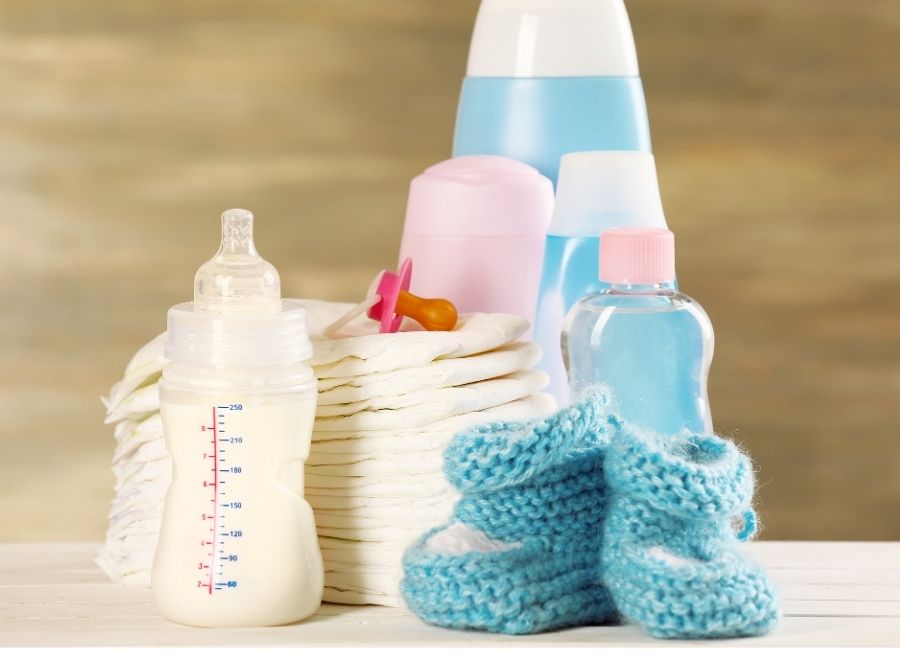
Keeping your baby clean and healthy outside the home is very important. Germs and dirt are everywhere. Babies touch many things and put their hands in their mouths. This makes hygiene a top priority when you are out and about. Having the right tools and habits helps protect your little one from infections and rashes.
Travel-friendly Hygiene Essentials
Pack items that are small and easy to carry. Baby wipes are a must for cleaning hands and faces quickly. Bring a travel-size hand sanitizer with at least 60% alcohol. Disposable changing pads keep diaper changes clean anywhere. A small bottle of gentle baby soap helps when water is available. Always carry extra diapers and a plastic bag for used ones.
Maintaining Cleanliness On The Go
Wash your hands before and after diaper changes. Use wipes to clean your baby’s hands and face regularly. Avoid letting your baby touch dirty surfaces. Use a stroller cover or blanket to create a clean space. Try to change diapers in designated areas when possible. Keep your baby’s toys and pacifiers off the ground.
Sanitizing Baby Items
Clean bottles, pacifiers, and toys after each use. Use warm water and baby-safe soap for washing. Carry a small container of sanitizing solution or wipes. For long trips, bring extra sanitized items to swap out. Avoid sharing baby items with others to reduce germ spread. Regularly sanitize reusable bags and changing mats as well.
Frequently Asked Questions
What Are The Basic Baby Hygiene Essentials Every Parent Needs?
Basic essentials include baby wipes, gentle soap, soft towels, and clean diapers. These items keep your baby clean and comfortable daily. Having them ready helps prevent irritation and infections.
How Often Should I Bathe My Newborn Baby?
Bathing 2-3 times a week is enough for newborns to keep skin healthy. Too much bathing can dry out delicate skin. Use mild soap and warm water for gentle cleaning.
What Is The Best Way To Clean A Baby’s Diaper Area?
Use baby wipes or a damp cloth to gently clean the diaper area. Always wipe from front to back to avoid infections. Let the skin dry before putting on a new diaper.
Which Baby Products Should I Avoid For Sensitive Skin?
Avoid products with strong fragrances, alcohol, or harsh chemicals as they may irritate. Choose hypoallergenic and pediatrician-approved items instead. Always test new products on a small skin area first.
Conclusion
Keeping your baby clean and healthy is simple with the right essentials. Choose gentle soaps and soft towels for delicate skin. Regular diaper changes help prevent rashes and discomfort. Pay attention to nail care and hair cleaning too. These small steps protect your baby’s health every day.
A clean baby is a happy baby. Trust your instincts and enjoy these special moments together.