
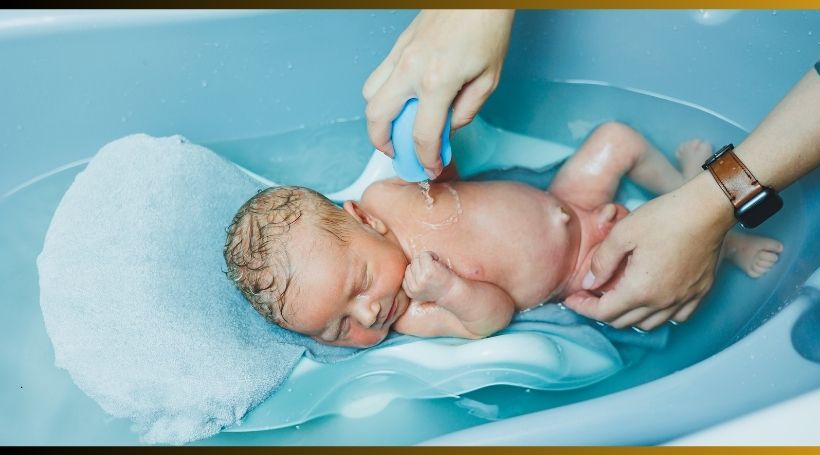
Welcoming a newborn into your life brings so many questions, and one of the most common is about bathing your little one. You might wonder, how often should you bathe a newborn baby without causing dry skin or discomfort?
Finding the right balance can feel confusing, but it’s important for your baby’s health and comfort. You’ll discover simple, expert-backed advice that makes bath time safe and soothing for your baby—and easier for you. Keep reading to learn the best routine that fits your baby’s needs perfectly.
Bathing Frequency For Newborns
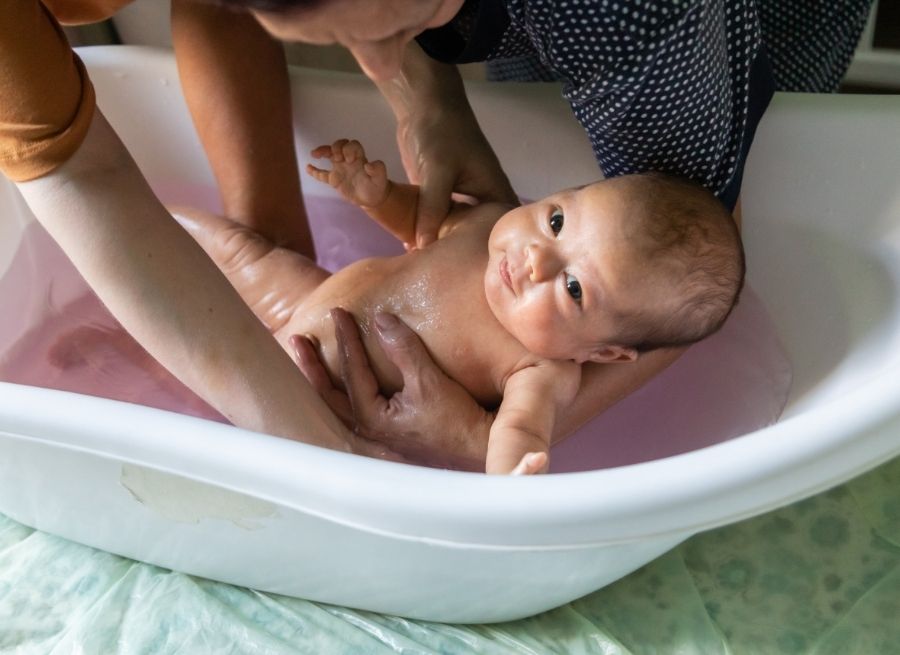
Newborn babies have very delicate skin. Bathing them too often can cause dryness and irritation. Parents often wonder how often they should bathe their little one. Finding the right balance is important for the baby’s comfort and health.
Bathing a newborn is more about keeping them clean than washing every day. The skin needs time to adjust to the outside world. Gentle care is the key to healthy skin in the first weeks.
Daily Bathing Myths
Many believe newborns need a bath every day. This is not true. Daily bathing can dry out their sensitive skin. It can also remove natural oils that protect the skin.
Experts say daily baths are unnecessary unless the baby is very dirty. A quick wipe with a damp cloth can keep the baby fresh between baths. This method helps avoid skin problems.
Recommended Bathing Schedule
The best bathing schedule for a newborn is two to three times a week. This routine keeps the baby clean without harming the skin. On other days, use a soft cloth to clean the face, neck, and diaper area.
Always use mild, fragrance-free baby soap. Keep bath time short, around 5 to 10 minutes. Warm water, not hot, is safest for your baby’s skin.
Benefits Of Less Frequent Baths
Bathing a newborn too often can dry out their delicate skin. Babies do not get very dirty each day. Giving fewer baths helps keep their skin soft and healthy. It lets natural oils stay on the skin. These oils protect and moisturize the baby’s body. Less frequent baths can also lower the risk of skin problems. Parents feel less stressed about daily bath routines. It saves time and keeps the baby calm.
Skin Health And Moisture
Newborn skin is very thin and sensitive. Bathing too often washes away natural oils. These oils keep the skin moist and soft. Without them, the skin may become dry and rough. Fewer baths help maintain the skin’s natural moisture. This reduces the chance of cracking or peeling. Moist skin feels comfortable and looks healthy.
Preventing Irritation
Frequent bathing can cause redness and irritation. Soaps and water can make the skin itchy. Babies might cry or fuss because of discomfort. Bathing less often lowers the risk of irritation. It gives the skin time to heal and rest. Using mild products during baths also helps protect sensitive skin.
Safety Tips During Bath Time
Bath time with a newborn is special but needs careful attention. Safety is very important to keep your baby comfortable and secure. Small steps can prevent accidents and make bath time a good experience for both of you.
Water Temperature Guidelines
Check the water temperature before placing your baby in the tub. The ideal temperature is between 98°F and 100°F. Use your wrist or elbow to test. Avoid hot water that can burn your baby’s delicate skin. Cold water can make your baby uncomfortable and fussy.
Supporting Your Baby Properly
Always support your baby’s head and neck with one hand. Use the other hand to wash gently. Never leave your baby alone, not even for a second. Keep all bath supplies within reach to avoid turning away. A firm grip helps prevent slipping in the tub.
Alternatives To Full Baths
Bathing a newborn every day is not always necessary. Newborns have sensitive skin that can dry out quickly with frequent full baths. There are gentle alternatives that help keep your baby clean without a full bath. These methods save time and are easier for parents during the first few weeks.
Sponge Baths
Sponge baths are a safe way to clean your newborn. Use a soft, damp cloth with warm water. Gently wipe your baby’s face, neck, hands, and diaper area. Avoid getting water in the baby’s eyes or ears. Sponge baths keep your baby fresh without soaking their whole body.
Cleaning Specific Areas
Focus on cleaning areas that get dirty easily. The diaper area, neck folds, and underarms need regular cleaning. Use a soft cloth and mild cleanser. Pat the skin dry after cleaning. This prevents rashes and irritation. Spot cleaning reduces the need for frequent full baths.
Signs Your Baby Needs More Frequent Baths
Knowing when to bathe a newborn can be tricky. Some babies might need baths more often than others. Watch for signs your baby needs extra baths. These signs show your baby’s skin needs more care and cleaning.
Bathing too little can cause discomfort. Bathing too much can dry out the skin. Spotting these signs helps find the right balance.
Dealing With Diaper Rash
Diaper rash is a common issue for newborns. If your baby has a rash, more baths can help. Gentle cleaning removes irritants from the skin. Use warm water and mild soap. Pat the skin dry carefully. This helps soothe and heal the rash faster.
Managing Skin Conditions
Some babies have skin conditions like eczema or cradle cap. These may need more frequent baths. Bathing can soften scales and remove dirt. Use special soaps made for sensitive skin. After the bath, apply a moisturizer. This keeps the skin healthy and calm.
Products Suitable For Newborn Baths
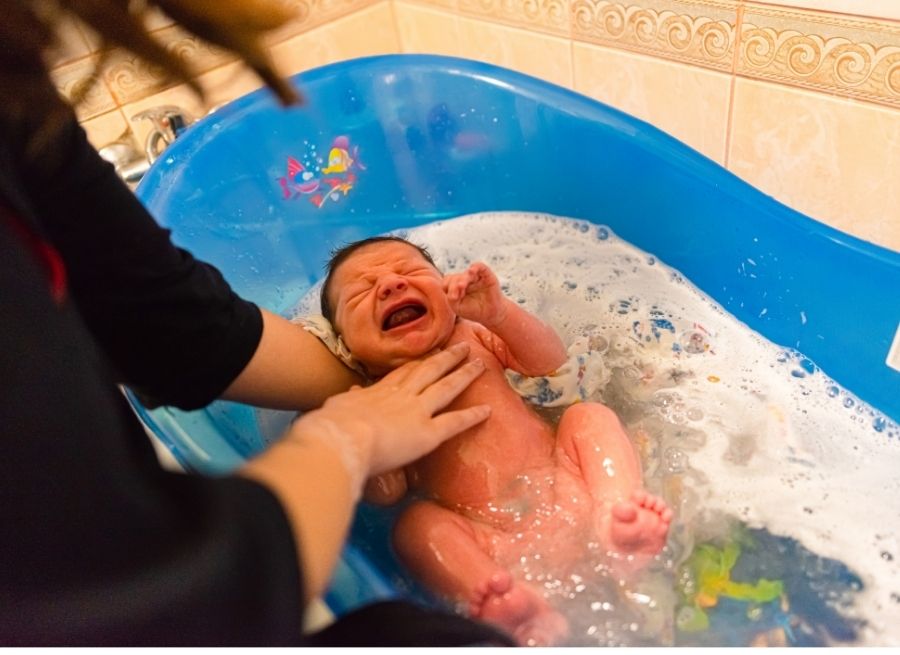
Choosing the right products for newborn baths is very important. Newborn skin is soft and delicate. It needs special care to stay healthy and protected.
Many products are made for adults or older children. These can be too strong for a newborn’s skin. Using gentle and safe products helps avoid irritation or dryness.
Choosing Gentle Cleansers
Pick cleansers made for babies. They usually have fewer chemicals and are mild on the skin. Look for products labeled “tear-free” and “hypoallergenic.”
Soap-free cleansers or mild baby washes work best. They clean without stripping natural oils. This keeps the baby’s skin soft and smooth.
Avoiding Harsh Chemicals
Harsh chemicals can harm newborn skin. Avoid products with fragrances, dyes, or parabens. These can cause redness or allergic reactions.
Stay away from antibacterial soaps or strong detergents. These dry out the skin and disrupt its natural barrier. Choose products with simple, natural ingredients.
Frequently Asked Questions
How Often Should You Bathe A Newborn Baby?
Newborns only need a bath two or three times a week. Too many baths can dry out their skin. Sponge baths are best until the belly button heals.
Can Daily Bathing Harm A Newborn’s Skin?
Yes, daily baths can cause dry and irritated skin. Newborn skin is very delicate and needs gentle care. Use mild soap and warm water for cleaning.
When Is It Safe To Give A Newborn A Full Bath?
A full bath is safe after the umbilical cord falls off. This usually happens within one to two weeks. Until then, give sponge baths to keep the area dry.
What Is The Best Way To Bathe A Newborn Safely?
Use lukewarm water and a soft washcloth or sponge. Support the baby’s head and never leave them unattended. Keep the bath short to avoid chilling.
Conclusion
Bathing a newborn does not need to be daily. Two to three times a week is enough to keep baby clean. Overbathing can dry out their delicate skin. Always use gentle, mild soap and warm water. Pay close attention to the diaper area and folds.
Keep bath time short and calm to avoid stress. Watch your baby’s skin for any signs of irritation. Trust your instincts and adjust as needed. A clean and happy baby is the goal, not a perfect schedule.