

Welcoming a newborn is a moment filled with joy—and a fair share of questions. One thing that often puzzles new parents is how to care for your baby’s umbilical cord.
You want to keep your little one safe and comfortable, but what exactly should you do? And just as important, what should you avoid? Getting it right can help prevent infections and promote faster healing. Keep reading, because knowing the simple do’s and don’ts of newborn umbilical cord care will give you the confidence and peace of mind every parent deserves.
Essential Umbilical Cord Care
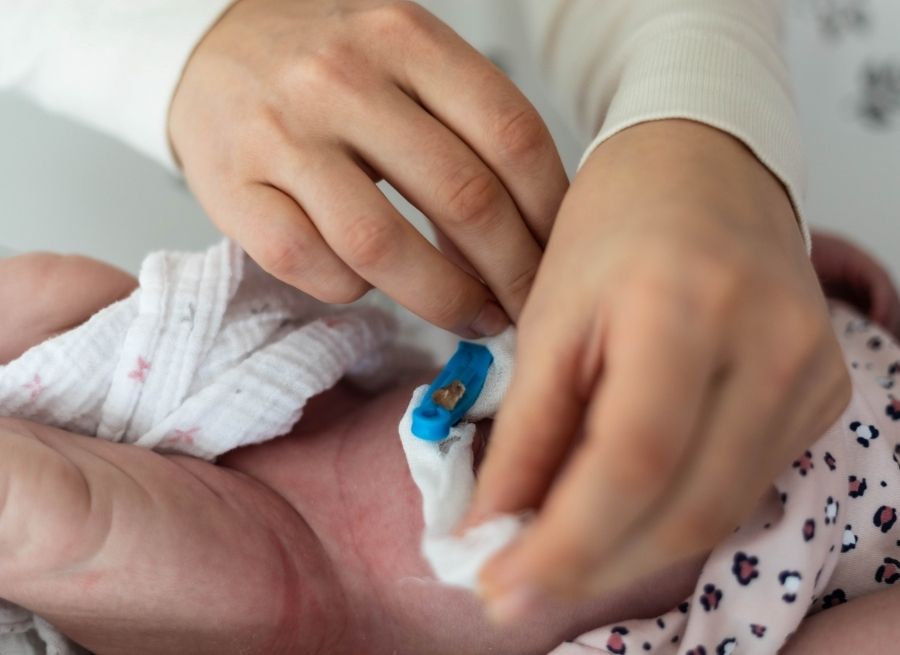
Taking care of your newborn’s umbilical cord is very important. It helps prevent infections and helps the cord heal quickly. Proper care is simple and safe. It also keeps your baby comfortable during the healing process.
Understanding the essential steps will give you confidence. You will know how to keep the area clean and dry. You will also learn which products are safe to use on the cord stump.
Keeping The Area Clean
Clean the cord area gently with water. Use a soft cloth or cotton ball. Avoid harsh rubbing or scrubbing the stump. Let the water air dry. Do not apply soaps or lotions directly on the cord. Keep the area free of dirt and dust.
Dry Cord Management
Keep the cord stump dry at all times. Fold the diaper below the stump to avoid covering it. This helps air reach the area. Avoid bathing your baby in a tub until the stump falls off. Sponge baths are better in this stage. Moisture can delay healing and cause infection.
Choosing The Right Products
Use only products recommended by your doctor. Avoid alcohol or antiseptic wipes unless advised. These can irritate the skin and slow healing. Plain water is usually enough to clean. If your doctor suggests a product, follow instructions carefully. Avoid applying powders, oils, or creams on the stump.
Common Mistakes To Avoid
Newborn umbilical cord care requires careful attention to avoid common mistakes. These errors can cause infection or delay healing. Knowing what not to do helps keep your baby safe and healthy.
Using Alcohol Or Harsh Chemicals
Do not apply alcohol or strong chemicals to the cord stump. These can irritate the skin and slow healing. Experts now recommend keeping the area clean with plain water only. Harsh substances dry out the cord and cause pain for your baby.
Covering The Cord With Diapers
Do not cover the cord stump with diapers tightly. This traps moisture and increases infection risk. Fold the diaper below the cord to keep air flowing. Let the stump stay dry and exposed to air for faster healing.
Pulling Or Tugging The Cord
Never pull or tug on the umbilical cord stump. The cord will fall off naturally in one to two weeks. Pulling can cause bleeding and pain. Handle the area gently during diaper changes and baths to avoid injury.
Signs Of Infection
Watching for signs of infection in your newborn’s umbilical cord is very important. The area should heal quickly and stay clean. Any unusual changes can mean a problem. Early detection helps keep your baby safe and healthy.
Redness And Swelling
Redness around the umbilical cord is a warning sign. Swelling may make the area puffy and tender. The skin might feel warm to the touch. These symptoms suggest infection and need attention.
Foul Odor Or Discharge
A bad smell coming from the cord area is not normal. Yellow or green discharge may appear. This is a clear sign of infection. Keep the area dry and clean to prevent this problem.
Fever And Baby’s Behavior Changes
A fever in a newborn can signal an infection. Watch for unusual fussiness or sleepiness. Loss of appetite or constant crying are also signs. These changes show your baby needs medical care quickly.
Bathing Tips For Newborns
Bathing a newborn is a special moment. It helps your baby feel clean and fresh. But caring for the umbilical cord during baths needs extra caution. Keeping the cord dry and clean helps it heal faster. Here are some simple tips to make bathing safe and comfortable for your little one.
Sponge Baths Vs. Full Baths
Newborns should start with sponge baths. Sponge baths keep the umbilical cord dry and safe. Use a soft cloth dipped in warm water. Gently wipe your baby’s face, neck, and body. Avoid soaking the cord area. Full baths can wait until the cord falls off and heals.
Keeping The Cord Dry During Bathing
Always keep the cord dry during baths. Fold the diaper below the cord to avoid moisture. Use a clean, dry cloth to pat the cord if it gets wet. Avoid rubbing or pulling the cord. Dryness helps prevent infections and speeds healing.
When The Cord Falls Off
The day your newborn’s umbilical cord falls off marks an important step in their growth. This event usually happens between one to three weeks after birth. It may look a little strange or even a bit messy at first. Understanding what to expect helps you stay calm and care properly for your baby’s belly.
What To Expect
The cord stump will dry and turn dark brown or black. It might smell a little, but it should not have a bad odor. Some slight bleeding or oozing is normal as it separates from the skin. Your baby might fuss a bit, but this is not painful. The area might look red or swollen, but it should not be hot or very tender. Watch closely for any signs of infection, like pus or a strong smell.
Continuing Care After Separation
Keep the belly button clean and dry after the cord falls off. Use a soft cloth with warm water to gently clean the area. Avoid using alcohol or harsh chemicals unless your doctor advises it. Dress your baby in loose clothing to let air circulate. Do not cover the belly button with a diaper. Let it heal naturally. If redness or swelling worsens, call your doctor. Proper care prevents infection and helps healing.
Choosing Clothes And Diapers
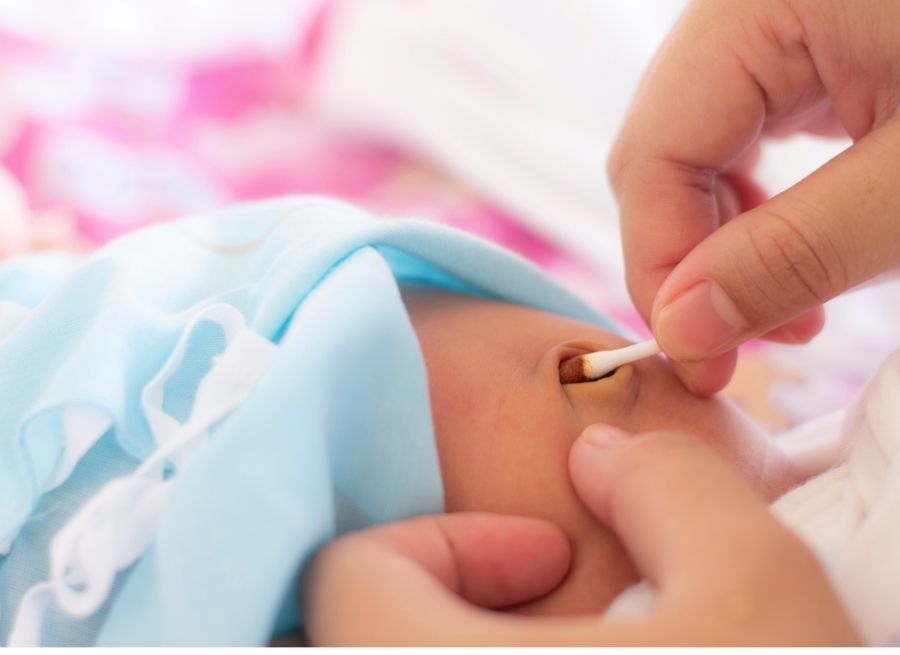
Choosing the right clothes and diapers for a newborn is very important for umbilical cord care. Clothes that are tight or rough can irritate the cord area. Diapers that cover or rub the cord can slow healing or cause infection. Parents must select soft, loose clothing and use special diaper folding methods. These small steps help keep the cord clean and dry. A healthy cord means less worry and faster healing for your baby.
Loose Clothing Benefits
Loose clothing lets air reach the umbilical cord. This helps the cord dry faster and stay clean. Tight clothes can trap moisture and dirt around the cord. Soft fabrics like cotton reduce skin irritation. Clothes that do not press on the cord allow better movement. This keeps the baby comfortable and prevents cord damage. Choose simple designs without tight waistbands or seams near the belly.
Diaper Folding Techniques
Fold the diaper below the umbilical cord stump. This prevents the diaper from rubbing or covering the cord. Using newborn diapers with a cut-out area helps. Fold the front waistband down to stay clear of the cord. This keeps urine away from the cord stump. Changing diapers often also keeps the area dry and clean. Proper folding protects the cord and speeds healing.
Frequently Asked Questions
How Should I Clean My Newborn’s Umbilical Cord?
Use a clean, damp cloth or cotton swab with plain water. Keep the area dry after cleaning. Avoid using alcohol or other products unless advised by a doctor.
When Will My Baby’s Umbilical Cord Fall Off Naturally?
The umbilical cord usually falls off within 1 to 3 weeks after birth. It may look dry and dark before it detaches. Do not pull or force it off.
What Signs Show An Infected Umbilical Cord In Newborns?
Look for redness, swelling, pus, or a bad smell around the cord. If your baby has a fever or is very fussy, check with a doctor. Early treatment is important.
Can I Bathe My Baby With The Umbilical Cord Attached?
Sponge baths are best until the cord falls off. Avoid soaking the cord in water to keep it dry. Once it detaches, you can give regular baths.
Conclusion
Caring for your newborn’s umbilical cord needs gentle attention. Keep the area clean and dry. Avoid covering the cord with tight clothes. Let the cord fall off naturally. Watch for signs of infection like redness or pus. Quick action helps prevent problems.
Trust your instincts and ask your doctor if unsure. Simple care helps your baby stay healthy and comfortable. Small steps make a big difference in cord healing. Stay calm and patient during this early stage. Your careful care supports your newborn’s strong start.
