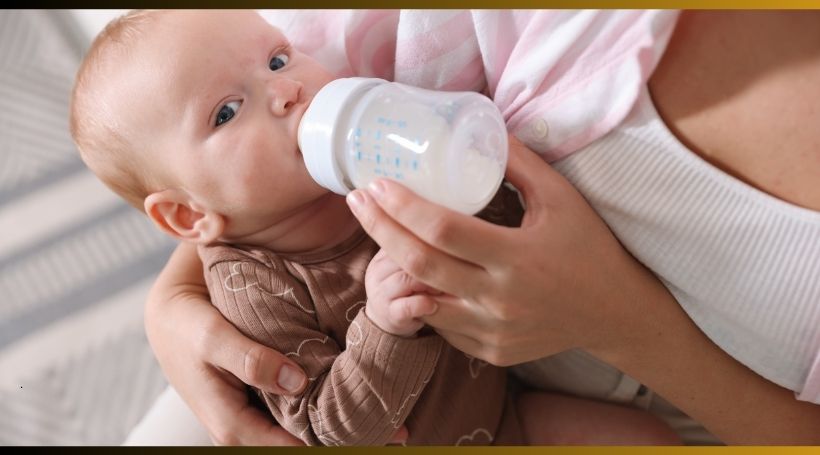
You want the best for your baby, and that includes keeping their feeding equipment spotless. But do you really know how to clean baby bottles and feeding gear the right way?
Using the wrong methods can leave behind harmful germs that could make your little one sick. Don’t worry—this guide will show you simple, effective steps to make sure every bottle, nipple, and pump part is completely clean and safe. Keep reading to protect your baby’s health with easy habits you can follow every day.
Choosing Safe Cleaning Supplies
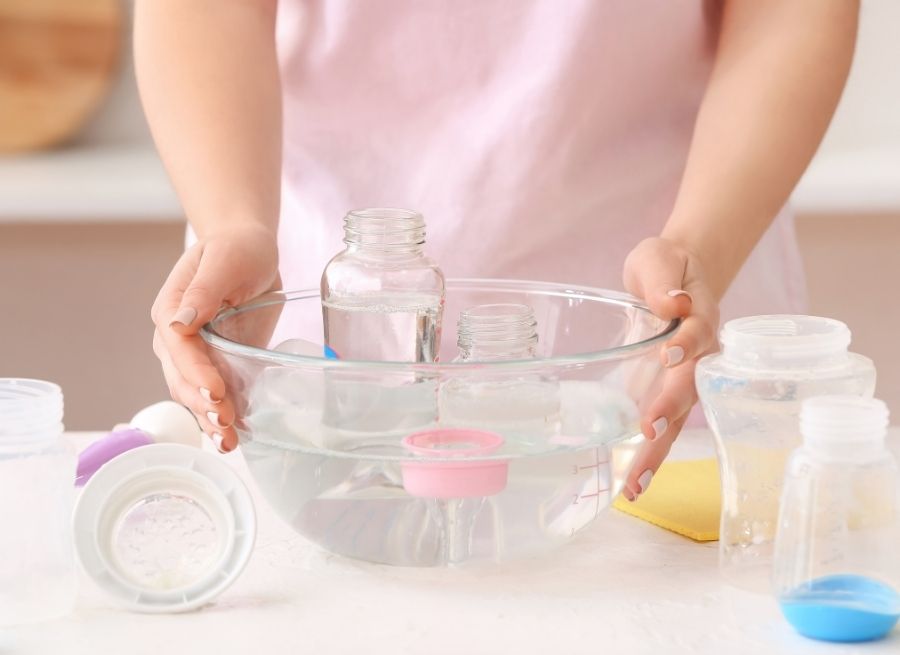
Choosing safe cleaning supplies is very important for your baby’s health. The right products keep bottles and feeding tools clean without leaving harmful residues. Babies have delicate skin and sensitive stomachs. Harsh chemicals or strong detergents can cause irritation or illness. Safe cleaning supplies protect your baby while ensuring thorough cleaning.
Selecting Baby-safe Detergents
Pick detergents made specifically for baby items. These detergents are gentle and free from strong fragrances. Look for labels that say “baby-safe” or “hypoallergenic.” These products clean well but do not leave harmful chemicals behind. Avoid regular household detergents. They often have additives that can irritate your baby’s skin.
Avoiding Harmful Chemicals
Stay away from products with bleach, ammonia, or antibacterial agents. These chemicals can harm your baby’s health even in small amounts. Do not use harsh disinfectants unless advised by a doctor. Choose natural or mild cleaners instead. Read ingredients carefully to avoid toxic substances. Safe cleaning means protecting your baby from danger.
Preparing Bottles And Equipment
Preparing baby bottles and feeding equipment is the first step in cleaning them safely. Proper preparation helps remove milk residue and prevents bacteria growth. Clean equipment keeps your baby healthy and happy.
Follow simple steps to get everything ready for thorough cleaning. Take your time to prepare each part carefully.
Disassembling All Parts
Take apart every piece of the bottle and feeding equipment. Remove the nipple, collar, and any valves or rings. Disassembling helps clean every corner and prevents leftover milk buildup. Check for small parts that need separate attention.
Rinsing Off Milk Residue
Rinse each part under warm running water right after feeding. This step removes milk before it dries and sticks. Use your fingers or a soft brush to clear milk from hard-to-reach areas. Clean equipment rinses better and stays safe for your baby.
Effective Washing Techniques
Cleaning baby bottles and feeding equipment properly keeps your baby safe and healthy. Effective washing removes milk residue and harmful germs. It also stops bacteria from growing. Use the right methods to clean all parts well. This section explains simple and effective washing techniques.
Hand Washing Steps
Start by rinsing the bottle and parts with warm water. Use a mild dish soap safe for babies. Wash each piece carefully to remove milk and dirt. Pay close attention to bottle nipples and caps. Use your hands to scrub gently but thoroughly. Rinse everything with clean water after washing. Place the cleaned items on a clean towel to dry.
Using Bottle Brushes Properly
Choose a bottle brush that fits inside the bottle easily. Use the brush to scrub inside the bottle walls and bottom. Clean the nipple with a smaller brush or a nipple cleaner. Move the brush in circles to remove all residue. Rinse the brush after each use to keep it clean. Replace the brush if bristles become worn or dirty.
Dishwasher Safe Practices
Check if your bottles and parts are dishwasher safe. Place them on the top rack to avoid heat damage. Use a gentle cycle with hot water to kill germs. Avoid overcrowding the dishwasher to ensure proper cleaning. Remove items quickly after the cycle ends and let them air dry. Make sure no soap residue remains on any parts.
Sterilizing Bottles And Equipment
Sterilizing baby bottles and feeding equipment is important for your baby’s health. This process kills germs and bacteria. It keeps feeding items safe to use.
Many methods exist for sterilizing. Choose one that fits your needs and lifestyle. Clean bottles and equipment well before sterilizing.
Boiling Method
Boiling is a simple, old-fashioned way to sterilize. Place bottles and parts in a large pot. Cover them with water. Boil for at least five minutes. Let items cool before use. This method uses no special tools or chemicals.
Steam Sterilizers
Steam sterilizers use hot steam to kill germs. Place bottles inside the sterilizer. Turn it on and wait about six to eight minutes. These devices are easy to use and quick. They run on electricity and keep items sterile until opened.
Microwave Sterilization
Microwave sterilizers are fast and convenient. Put bottles and parts into a microwave-safe container. Add water as instructed. Microwave for a few minutes. Steam cleans the items effectively. This method saves time and uses little energy.
Drying And Storing Clean Equipment
Drying and storing baby bottles and feeding equipment correctly is important for your baby’s health. After cleaning, proper drying stops germs from growing. Safe storage keeps bottles and nipples clean until next use. Follow simple steps to keep everything fresh and ready.
Air Drying Tips
Let bottles and nipples dry naturally. Place them on a clean, dry towel or drying rack. Avoid using dish towels to wipe them. Towels can transfer germs and lint. Make sure parts are separated for better airflow. Drying takes time but helps prevent mold and bacteria.
Safe Storage Options
Store dry bottles and equipment in a clean, covered container. Use a cabinet or drawer away from dust and dirt. Avoid storing near the sink or trash. Keep feeding items in a place with good air circulation. Check storage spots often to keep them clean and dry.
Maintaining Hygiene Between Uses
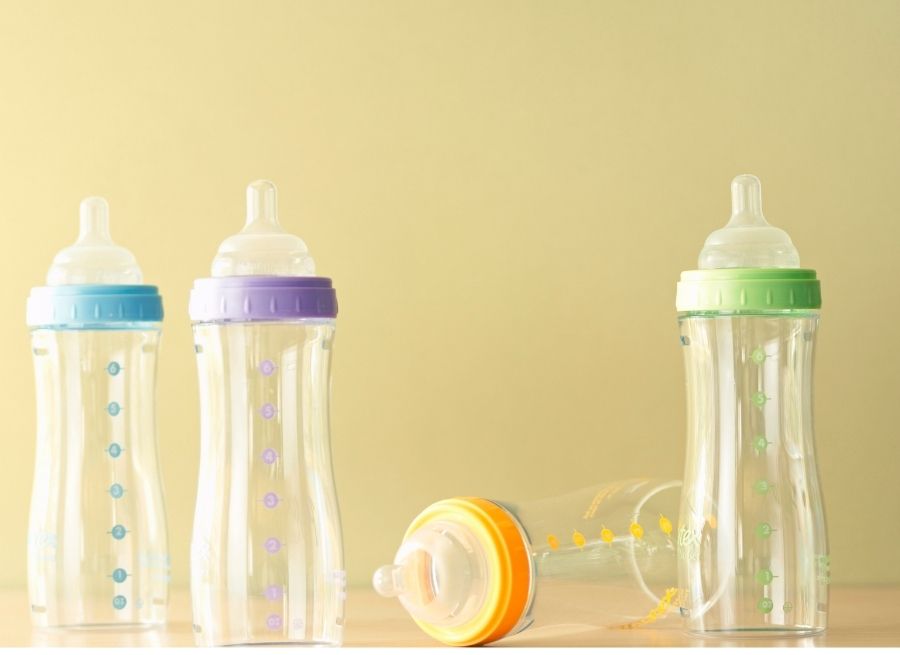
Keeping baby bottles and feeding equipment clean is very important. Germs grow quickly if you do not clean items well. This can make your baby sick. Regular care keeps everything safe and ready for use.
Cleaning is not just after use. It also means keeping things clean between uses. This helps stop germs from spreading. It also keeps bottles and equipment in good shape for a longer time.
Regular Cleaning Schedule
Set a cleaning routine for all feeding items. Wash bottles, nipples, and other tools after each feeding. Use warm water and mild soap. Rinse well to remove all soap. Dry items completely before storing. This stops bacteria and mold growth. A clean schedule keeps your baby safe and healthy.
Checking For Wear And Tear
Check bottles and nipples often. Look for cracks, tears, or discoloration. Damaged items can hold germs and hurt your baby. Replace any worn or broken parts right away. Keep an eye on the equipment’s condition. Good care means safe feeding every time.
Frequently Asked Questions
How Often Should I Clean Baby Bottles And Feeding Equipment?
Clean baby bottles and feeding equipment after every use. This prevents harmful bacteria from growing. Regular cleaning keeps your baby safe and healthy.
What Is The Best Way To Clean Baby Bottles?
Use warm, soapy water and a bottle brush to clean bottles. Rinse well with clean water. Air dry them on a clean towel or drying rack.
Can I Use A Dishwasher To Clean Baby Bottles?
Yes, many baby bottles are dishwasher safe. Place bottles and parts on the top rack. Use a hot water cycle for best cleaning.
How Do I Sterilize Baby Bottles And Feeding Tools?
Boil bottles and parts in water for 5 minutes. You can also use a steam sterilizer or sterilizing solution. Sterilizing kills germs that regular washing might miss.
Conclusion
Cleaning baby bottles and feeding gear keeps your baby safe and healthy. Use warm water and soap to wash every part well. Rinse fully to remove all soap. Dry items completely before storing to stop germs. Regular cleaning helps avoid infections and keeps feeding safe.
Remember, simple steps make a big difference every day. Keep your baby’s bottles clean and enjoy feeding time with peace of mind.