When it comes to your baby’s sleep, safety is the most important thing on your mind. You want your little one to rest peacefully, but you also want to make sure they’re protected from any risks while sleeping.
Understanding safe sleep practices can give you the confidence and peace of mind you need as a parent. This article will guide you through simple, effective steps you can take right now to reduce sleep-related risks and keep your baby safe every night.
Keep reading to discover how small changes can make a big difference for your baby’s health and safety.
Importance Of Safe Sleep
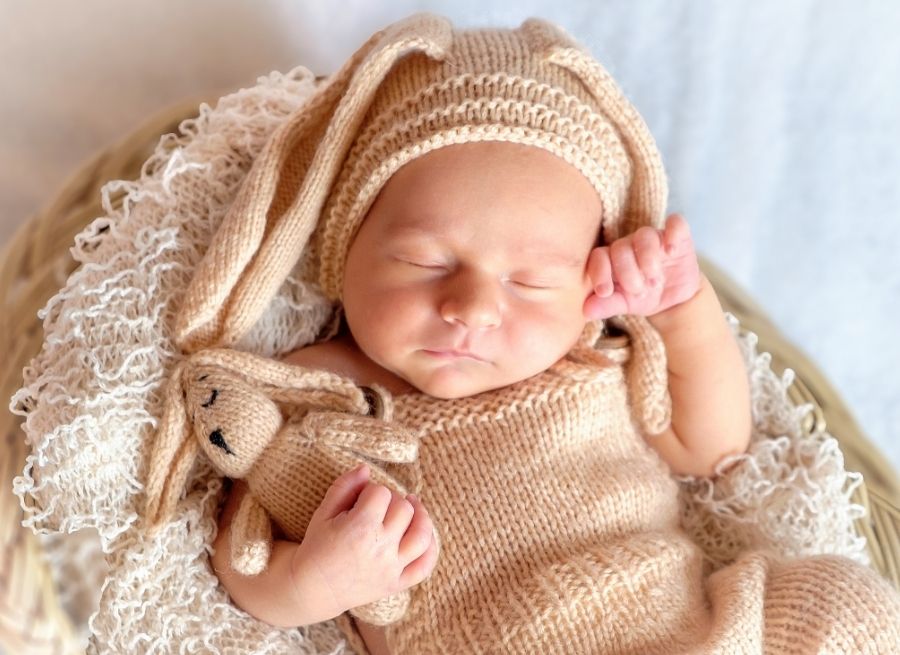
Safe sleep is very important for babies’ health and well-being. It helps prevent sudden and unexpected dangers during sleep. Parents and caregivers play a key role in creating a safe sleep space. Following safe sleep practices lowers the risk of sleep-related problems.
Babies spend a lot of time sleeping in their first year. Safe sleep helps them grow healthy and strong. It also gives parents peace of mind knowing their baby is safe.
Protecting Against Sudden Infant Death Syndrome (sids)
Safe sleep practices reduce the chance of SIDS. SIDS is the sudden and unexplained death of a baby during sleep. It is a leading cause of death in infants under one year. Placing babies on their backs to sleep is one of the best ways to protect them.
Creating A Comfortable Sleep Environment
A safe sleep area is free of pillows, blankets, and toys. These objects can block a baby’s airway. The mattress should be firm and flat to support the baby’s body. A simple sleep environment helps babies breathe easily and sleep soundly.
Encouraging Healthy Sleep Habits
Safe sleep routines help babies develop good sleep patterns. Regular sleep times and safe spaces promote better rest. Good sleep supports brain growth and learning in infants. Safe sleep sets a strong foundation for healthy development.
Ideal Sleep Environment
Creating the ideal sleep environment is key to keeping babies safe during sleep. A well-prepared space lowers risks and helps babies rest comfortably. Parents can take simple steps to make this environment safe.
Focus on firmness, temperature, and bedding. These elements affect baby’s sleep quality and safety. Let’s explore important tips for each.
Choosing A Firm Mattress
Select a mattress that is firm and flat. Soft mattresses can cause babies to sink in. This increases the risk of suffocation or Sudden Infant Death Syndrome (SIDS). Ensure the mattress fits snugly in the crib. Avoid extra padding or mattress toppers. A firm surface supports proper breathing and spinal alignment.
Room Temperature Tips
Keep the room cool and comfortable. The ideal temperature is between 68 and 72 degrees Fahrenheit. Overheating can increase sleep risks for babies. Use a fan or air conditioner to maintain a steady temperature. Dress the baby in light sleepwear. Avoid heavy blankets or excessive layers.
Avoiding Loose Bedding
Loose bedding poses a suffocation hazard. Remove pillows, quilts, and stuffed toys from the crib. Instead, use a fitted sheet only. Swaddle newborns with a proper blanket or sleep sack. These options provide warmth without extra material. Keep the crib clear for safe, restful sleep.
Safe Sleep Positions
Choosing the right sleep position is vital for your baby’s safety. Safe sleep positions lower the chance of sudden infant death syndrome (SIDS). Babies should rest in a way that supports breathing and reduces risk.
Back Sleeping Benefits
Placing babies on their backs is the safest sleep position. It keeps airways open and clear. This position reduces the risk of suffocation. Many health experts recommend back sleeping for all infants. It also helps babies breathe easily throughout the night. Back sleeping is linked to fewer sleep-related deaths. Always place your baby on a firm mattress on their back.
Risks Of Side And Stomach Positions
Sleeping on the side can cause babies to roll onto their stomachs. This increases the risk of breathing problems. Stomach sleeping raises the chance of sudden infant death syndrome. It can block airways and make breathing hard. Babies may also overheat in this position. Doctors advise against side and stomach sleeping for infants. Keeping babies on their backs is the safest choice.
Bed Sharing And Room Sharing
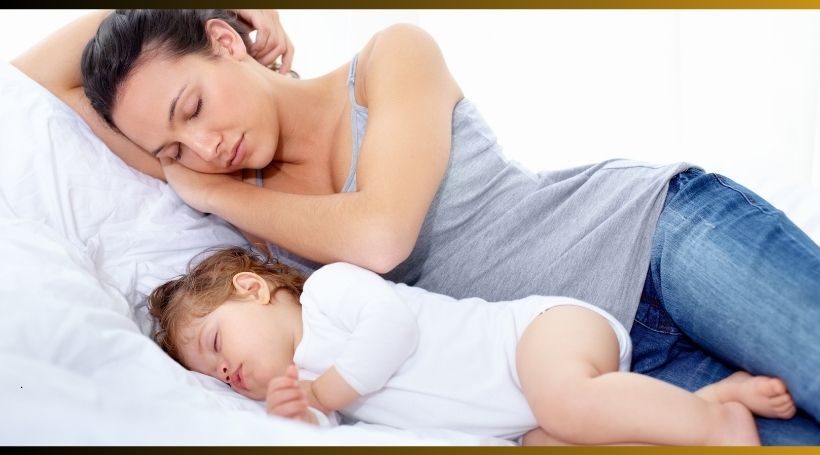
Parents often choose bed sharing or room sharing to stay close to their babies at night. These practices help parents respond quickly to their baby’s needs. They also offer comfort and bonding time. Understanding the benefits and risks of each can help parents make safer sleep choices.
Pros And Cons Of Bed Sharing
Bed sharing means the baby sleeps in the same bed as the parents. Many parents find this helps with breastfeeding and soothing. The baby feels safe and warm near the parent. It can also help parents sleep better by hearing the baby’s sounds.
Risks include accidental suffocation or overheating. Soft bedding and pillows can be dangerous for babies. Parents who smoke or use drugs increase risks. Bed sharing is not safe for babies under 4 months old. It is important to weigh the benefits and dangers carefully.
Safe Room Sharing Practices
Room sharing means the baby sleeps in the same room but on a separate surface. Using a crib or bassinet near the parent’s bed is best. This setup lowers the risk of sudden infant death syndrome (SIDS). Parents can still hear and watch their baby easily.
Keep the baby’s sleep area clear of toys, pillows, and blankets. The mattress should be firm and flat. Avoid using soft bedding or bumpers. Always place the baby on their back to sleep. Room sharing is safer and recommended by health experts.
Choosing Sleepwear
Choosing the right sleepwear for babies is very important. It helps keep them safe and comfortable during sleep. Babies cannot adjust their body temperature well. The right clothing prevents risks like overheating or getting too cold. This section covers how to pick safe sleepwear for different seasons and avoid overheating.
Appropriate Clothing For Different Seasons
In summer, choose lightweight and breathable fabrics. Cotton is a good option. It keeps babies cool and dry. Avoid heavy or thick clothing that traps heat.
In winter, use warmer clothes but avoid bulky layers. One-piece sleepers with feet work well. Add a sleep sack if needed for extra warmth. Make sure the baby’s head stays uncovered.
Always check the room temperature. Dress the baby in one more layer than an adult would wear in the same room. This helps keep the baby comfortable all night.
Avoiding Overheating
Overheating is a major sleep risk for babies. Avoid heavy blankets and thick clothes. Instead, use a light sleep sack or wearable blanket.
Keep the room temperature between 68 and 72 degrees Fahrenheit. Watch for signs of overheating like sweating, flushed cheeks, or rapid breathing.
Dress your baby in light clothing and use a fan if needed. Proper sleepwear helps reduce the risk of sudden infant death syndrome (SIDS).
Pacifier Use During Sleep
Pacifier use during sleep is a common practice among many parents. It offers comfort to babies and helps soothe them to sleep. Understanding how pacifiers impact sleep safety is important for reducing sleep-related risks.
Benefits For Sleep Safety
Using a pacifier can lower the risk of sudden infant death syndrome (SIDS). The pacifier helps keep the baby’s airway open during sleep. It also encourages babies to sleep on their backs. This position is the safest for newborns. Babies who use pacifiers tend to have shorter and lighter sleep cycles. This can help them wake up easier if they face breathing problems.
Proper Pacifier Practices
Use a pacifier that is the right size for your baby. Avoid attaching strings or cords to the pacifier. These can cause choking or strangulation. Offer the pacifier when putting the baby down to sleep. Do not force the baby to take it if they refuse. Clean the pacifier often to keep it free from germs. Replace worn or damaged pacifiers immediately.
Avoiding Sleep Hazards
Creating a safe sleep environment for babies is very important. Avoiding sleep hazards helps reduce risks during sleep. Parents and caregivers must know what to keep away from the crib. Small changes can prevent accidents and keep babies safe.
Keeping Cribs Clear Of Toys
Toys in the crib can cause danger. Soft toys and stuffed animals may block a baby’s breathing. Loose blankets and pillows can also increase risk. It is best to keep the crib empty. Only a firm mattress with a fitted sheet should be inside. This simple step lowers the chance of suffocation and overheating.
Preventing Suffocation Risks
Suffocation risks come from loose bedding or soft objects. Babies should always sleep on their backs on a firm surface. Avoid using bumpers or loose sheets in the crib. These items can cover a baby’s face. Use sleep sacks or wearable blankets instead of loose blankets. These choices keep babies warm and safe without extra risk.
Monitoring Baby During Sleep
Monitoring baby during sleep is essential for their safety and parents’ peace of mind. Parents need to keep a close watch without disturbing the baby’s rest. Careful monitoring helps catch any problems early. It also reassures caregivers that the baby is safe and comfortable.
Using the right tools and knowing what to observe can reduce sleep risks. This section explains how to monitor babies safely during sleep. It covers the use of baby monitors and recognizing sleep distress signs.
Using Baby Monitors Safely
Baby monitors provide a way to hear or see babies from another room. Use monitors with clear audio and video quality. Place cameras to cover the whole crib area without blind spots. Keep monitors at a safe distance to avoid any hazards.
Choose monitors with secure connections to protect privacy. Regularly check batteries and signal strength. Avoid placing monitors near water or heat sources. Use monitors as a tool, not a replacement for physical checks.
Recognizing Sleep Distress Signs
Babies may show signs of distress during sleep that need attention. Watch for irregular breathing or long pauses. Look for changes in skin color, like paleness or blue lips. Notice if the baby suddenly wakes up crying or seems very restless.
Other signs include unusual body movements or stiffening. Quiet but deep groaning can also signal trouble. Respond quickly but calmly to any signs of distress. Early action can prevent serious problems and keep your baby safe.
Special Considerations
Special care is needed for some babies to ensure safe sleep. These babies face higher risks and need extra attention. Parents and caregivers must understand these special cases.
Premature Infants
Premature babies have weaker lungs and muscles. They may struggle more to breathe during sleep. Place them on their backs on a firm mattress. Avoid soft bedding or toys in the crib. Use a sleep sack instead of blankets. Regular medical checkups help monitor their growth and health. Follow doctor advice strictly for safe sleep practices.
Babies With Medical Conditions
Babies with health problems need tailored sleep plans. Conditions like heart or lung disease affect sleep safety. Consult healthcare providers for specific guidance. Monitor these babies closely during sleep. Use medical devices only as prescribed. Keep the sleep area clear of hazards. Always keep emergency contacts handy for quick help.
Frequently Asked Questions
What Is The Safest Sleep Position For Babies?
Babies should always sleep on their backs to reduce risk of sudden infant death syndrome (SIDS). This position keeps airways open and clear.
How Can I Create A Safe Sleep Environment For My Baby?
Use a firm mattress with a fitted sheet and keep the crib free of toys, pillows, and blankets. Avoid soft bedding to prevent suffocation.
Should Babies Sleep In The Same Room As Parents?
Yes, babies should sleep in the parents’ room but on a separate sleep surface. This reduces risks while keeping the baby close for feeding and comfort.
When Is It Safe To Introduce Blankets Or Pillows To Babies?
Blankets and pillows are not safe for babies under 12 months old. Wait until after one year to reduce the risk of suffocation and overheating.
Conclusion
Safe sleep practices keep babies secure and healthy. Place babies on their backs to sleep. Use a firm mattress without soft bedding. Keep the crib clear of toys and pillows. Dress babies in light clothing to avoid overheating. Share the room, not the bed, with your baby.
Follow these simple steps to reduce sleep risks. Sleep time becomes safer and more peaceful. Every small action helps protect your baby. Stay informed and always put safety first. Your care creates a safe sleep environment.