
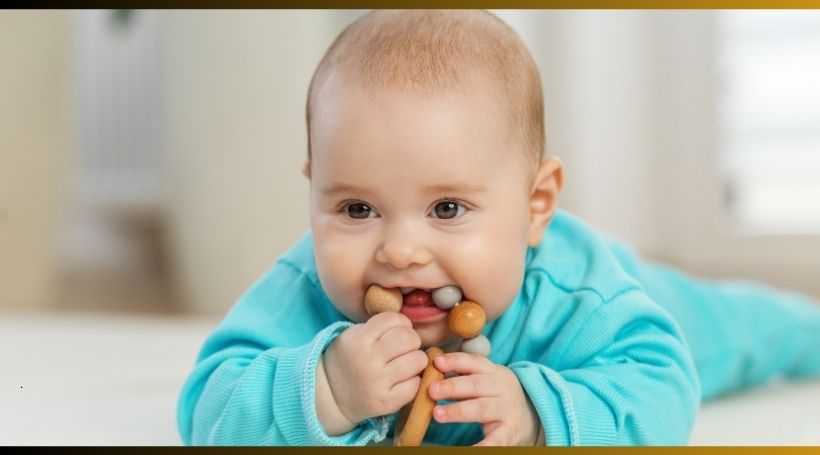
Is your little one suddenly fussier than usual? Are you noticing drooling, biting, or sleepless nights?
These are common signs that your baby might be teething. Watching your baby go through this uncomfortable phase can be tough, but knowing what to expect and how to help can make a big difference. You’ll discover the key teething symptoms to watch for and safe, effective ways to provide your baby with relief.
Keep reading to learn how to ease your baby’s discomfort and bring more calm to your home.
Signs Your Baby Is Teething
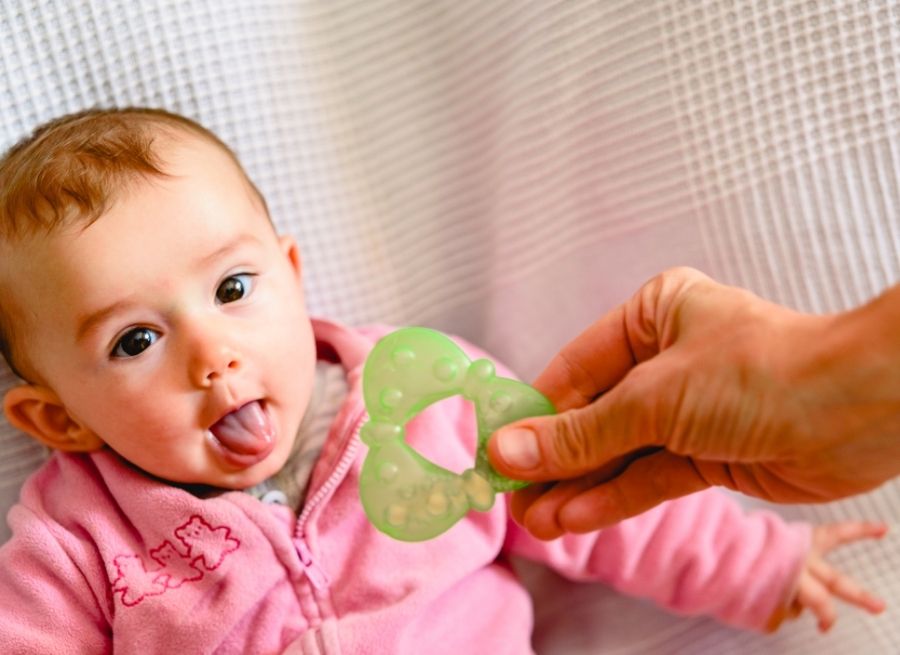
Teething is a big step for your baby. It can bring many changes that you will notice. Knowing the signs helps you support your baby better. Here are some common signs your baby may be teething.
Common Physical Symptoms
Your baby’s gums may look swollen and red. You might see a small bump where the tooth will come out. Drooling increases a lot during teething. Chewing on toys or fingers helps ease discomfort. Sometimes, a slight rise in temperature may happen but not a fever.
Behavioral Changes To Watch For
Babies often become fussier or more irritable. Sleep can be disturbed due to gum pain. They may cry more than usual. Your baby may want to chew on hard objects. These behaviors show your baby is uncomfortable and needs comfort.
Duration And Timing Of Teething
Teething usually starts around 6 months of age. It varies; some babies start earlier or later. The process can last until 3 years old. Each tooth takes a few days to break through. Symptoms may come and go during this time.
Safe Teething Relief Techniques
Teething can be tough for babies and parents alike. Safe teething relief techniques help ease discomfort. These methods soothe gums without risk. Here are simple, effective ways to comfort your child during teething.
Soothing Teething Toys
Teething toys provide gentle pressure on sore gums. Look for toys made from soft, non-toxic materials. These toys are designed to be chewed safely. They distract babies from pain and help gums feel better. Make sure to clean toys regularly for hygiene.
Cold Compress And Chilled Items
Cold helps reduce gum swelling and pain. Use a clean, damp washcloth cooled in the fridge. Avoid freezing items that can cause harm. Chilled teething rings also offer relief. Always supervise babies using cold items to keep them safe.
Gentle Gum Massage
Massaging gums can soothe baby’s discomfort. Wash hands well before touching the gums. Use a clean finger to softly rub the swollen areas. This gentle pressure helps reduce irritation. It also comforts the baby through touch.
When To Use Medication
Babies often feel discomfort during teething. Sometimes, gentle remedies do not help enough. Medication may be needed to ease the pain and fussiness. Understanding when to use medicine is important for your baby’s safety and comfort.
Over-the-counter Pain Relief Options
There are several safe medicines available without a prescription. Infant acetaminophen and ibuprofen are common choices. These medicines help reduce pain and lower fever. Choose products made specifically for babies. Avoid adult medications or those with added ingredients.
Dosage And Safety Guidelines
Always follow the dosing instructions on the label. Use the correct dose based on your baby’s weight and age. Never give more medicine than recommended. Use a proper measuring tool, not a kitchen spoon. Watch for any side effects or allergic reactions.
Consulting A Pediatrician
Speak with a doctor before giving medicine to very young babies. Ask if teething symptoms match other health issues. Call your pediatrician if symptoms worsen or last more than a few days. Seek advice for the safest and best treatment options.
Teething Myths And Facts
Teething can be a confusing time for parents. Many stories and ideas about teething spread quickly. Some are true, others are not. Knowing the facts helps parents care for their babies better. It also reduces worry and stress during this stage.
This section clears up common teething myths. It also points out signs that need medical help. Understanding these can keep your baby safe and comfortable.
Common Misconceptions
One myth says babies must have a fever while teething. This is not true. Mild fussiness or drooling is normal, but a high fever is not caused by teething.
Another false idea is that teething causes diarrhea. Although some babies may have soft stools, severe diarrhea is usually from another cause.
People often believe teething pains are very strong. Actually, pain levels vary. Some babies show little discomfort during teething.
Some think teething means a baby will not sleep at all. While sleep can be disturbed, it rarely stops completely.
Signs That Warrant Medical Attention
High fever above 101°F (38.3°C) is not normal during teething. Call a doctor if your baby has a high fever.
Severe diarrhea or vomiting may mean illness. Seek medical advice if these symptoms appear.
If your baby shows signs of dehydration, such as dry mouth or no tears when crying, see a doctor quickly.
Excessive irritability or unusual behavior might need medical help. Trust your instincts as a parent.
Preventing Discomfort During Teething
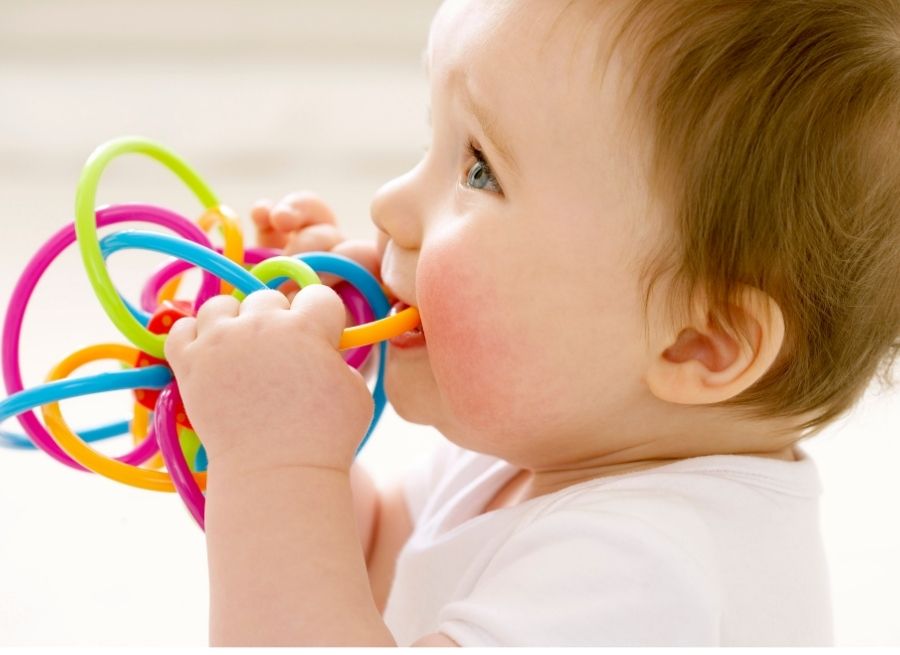
Teething can be a tough time for babies and parents. It often brings discomfort and fussiness. Preventing this discomfort helps babies stay calm and happy. Simple steps can ease the pain and support healthy growth.
Maintaining Oral Hygiene
Keep your baby’s mouth clean to avoid irritation. Use a soft, damp cloth to gently wipe gums twice daily. For older babies, a soft-bristled toothbrush without toothpaste works well. Cleanliness reduces bacteria and soothes swollen gums. Avoid harsh scrubbing or strong toothpaste.
Diet And Feeding Tips
Offer cool, soft foods to ease gum pain. Chilled purees or yogurt can feel soothing. Avoid hard or sticky foods that may hurt gums. Breastfeeding or bottle feeding can comfort your baby. Use a clean teething ring or chilled washcloth for chewing relief. Watch for signs of choking or allergies.
Creating A Calm Environment
Keep your baby relaxed during teething. Use a quiet room with soft lighting. Gentle rocking or singing can soothe fussiness. Offer a favorite blanket or toy for comfort. Avoid loud noises or bright lights that may upset your baby. Calm surroundings help reduce stress and pain.
Frequently Asked Questions
What Are Common Baby Teething Symptoms To Watch For?
Babies often drool a lot, chew on objects, and seem fussy during teething. You might notice swollen gums and trouble sleeping. These signs usually start around 4 to 7 months old.
How Can I Safely Soothe My Teething Baby’s Pain?
Offer a clean, cold teething ring or a damp washcloth to chew on. Gently rubbing your baby’s gums with a clean finger can help too. Avoid teething gels with medicine unless advised by a doctor.
When Should I Consult A Doctor About Teething Symptoms?
See a doctor if your baby has a high fever, diarrhea, or severe discomfort. Persistent symptoms beyond teething time also need medical advice. This helps rule out other illnesses.
Are There Natural Ways To Ease Teething Discomfort?
Cold foods like chilled pureed fruits can soothe gums for older babies. Using a soft, cold cloth for gum massage works well too. These methods are safe and gentle for your baby.
Conclusion
Teething can be tough for both babies and parents. Knowing the signs helps you act quickly. Use safe methods to ease your baby’s discomfort. Soft teething toys and gentle gum massages work well. Keep your baby calm and comfortable throughout the process.
Watch for any unusual symptoms and consult a doctor if needed. Patience and care make this stage easier for everyone. Your baby will soon feel better and start smiling again.