
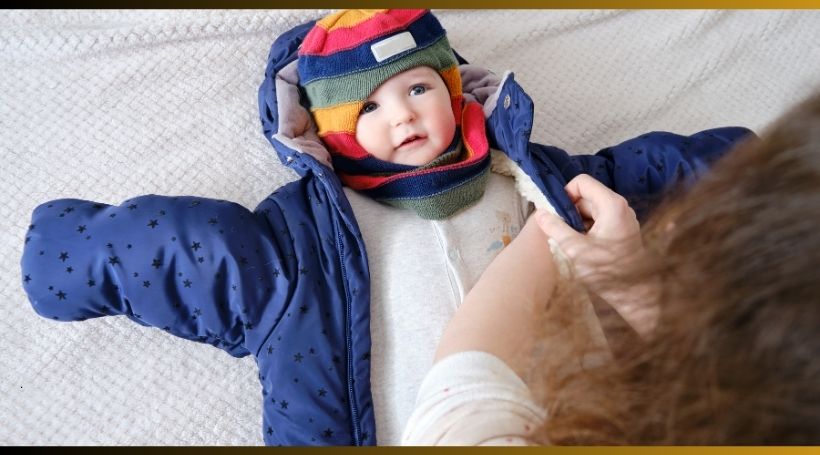
Dressing your baby just right can feel tricky, especially when the weather keeps changing. You want your little one to be comfortable, safe, and happy no matter if it’s hot, cold, or somewhere in between.
But how do you know what to put on them without making them too hot or too cold? You’ll discover simple, practical tips to dress your baby perfectly for every kind of weather. Keep reading to learn how to keep your baby cozy and protected, so you can relax and enjoy every moment together.
Dressing Babies For Warm Weather
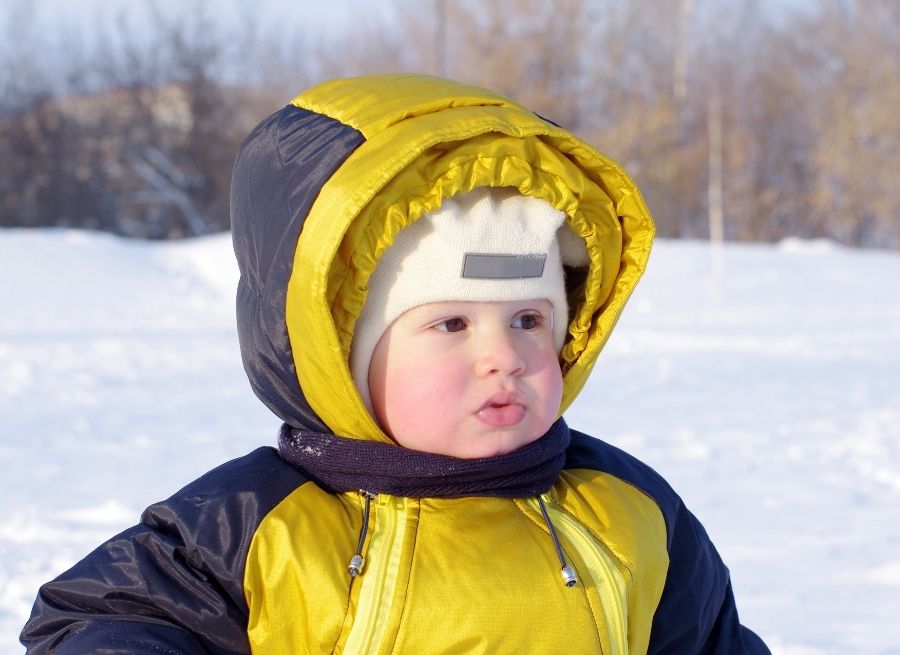
Dressing babies for warm weather needs special care. The goal is to keep them cool and safe. Babies cannot cool down as well as adults. Their skin is delicate and can burn easily. Light clothes help their skin breathe and prevent overheating.
Choosing Lightweight Fabrics
Pick clothes made from cotton or linen. These fabrics are soft and allow air to flow. Avoid heavy materials like wool or polyester. Thin layers are better than thick ones. Choose loose-fitting clothes to keep baby comfortable. Light colors reflect heat and keep baby cooler.
Protecting From Sun Exposure
Direct sun can harm baby’s skin. Use wide-brimmed hats to shade their face. Dress baby in long sleeves and pants made of light fabric. Apply baby-safe sunscreen on exposed skin. Stay in the shade during peak sun hours. Sunglasses with UV protection help protect eyes.
Keeping Baby Hydrated
Babies lose water quickly in heat. Offer breast milk or formula often. Water can be given to babies older than six months. Watch for signs of dehydration like dry mouth or fussiness. Keep baby in cool areas and avoid too much sun. Hydration helps baby stay healthy and happy.
Dressing Babies For Cold Weather
Cold weather needs special care when dressing babies. Their skin is delicate and they lose heat fast. Dressing them right keeps babies warm and safe. Use soft, warm clothes that cover their whole body. Check baby’s skin often to avoid overheating or chills.
Layering Clothes Effectively
Layering is key for cold weather. Start with a soft cotton onesie as a base. Add a warm sweater or fleece jacket next. Top it with a windproof coat or snowsuit outside. Layers trap heat and keep cold air out. Avoid bulky clothes that limit movement.
Using Warm Accessories
Cover baby’s head with a soft hat. Babies lose heat quickly from their heads. Use mittens to protect tiny hands from cold. Warm socks or booties keep feet cozy. Choose accessories made of warm and soft materials.
Ensuring Proper Sleepwear
Choose warm sleepwear for cold nights. Use footed pajamas made of fleece or cotton. Avoid heavy blankets that can cause suffocation. A sleep sack or wearable blanket is safer. Keep baby’s room warm but not too hot.
Dressing Babies For Rainy Days
Dressing babies for rainy days needs special care. Wet weather can make babies cold and uncomfortable. Keeping them dry is the top priority. Choosing the right clothes helps protect babies from rain and chills. This guide shares tips to keep your baby cozy and dry during wet days.
Waterproof Outerwear Options
Start with a waterproof jacket or raincoat. Choose one with a hood to cover the baby’s head. Look for soft linings for extra warmth. Waterproof pants can protect the legs from splashes. Make sure the clothes fit well but are not too tight. Avoid heavy rain gear that limits movement. Soft and flexible materials work best for babies.
Choosing Quick-dry Materials
Pick clothes made from quick-dry fabrics like polyester or nylon. These materials dry fast after getting wet. Avoid cotton as it stays wet and cold. Use layers with quick-dry shirts and pants. This helps keep the baby warm and dry. Quick-dry materials reduce the risk of chills and rashes. Change wet clothes quickly to keep the baby comfortable.
Keeping Baby Comfortable Indoors
After coming inside, remove wet clothes right away. Use warm, dry clothes made of soft cotton or fleece. Keep the baby in a warm room with good air circulation. Use a blanket if needed but avoid overheating. Check the baby’s skin often for signs of cold or heat. Comfortable clothes help the baby stay happy and calm indoors.
Dressing Babies For Windy Conditions
Dressing a baby for windy weather needs care and attention. Wind can make your baby feel colder quickly. It can also dry out their skin. Protecting your baby from the wind keeps them safe and cozy. Choosing the right clothes is very important. Here are some tips to dress your baby well for windy days.
Wind-resistant Clothing
Select clothes made from wind-resistant materials. These fabrics block cold wind from reaching the skin. Jackets or outer layers with tight weaves work best. Avoid thin or loose clothes that let wind pass through. A lightweight windbreaker can protect without adding too much heat. Look for clothes labeled as windproof or wind-resistant.
Covering Exposed Skin
Wind can chill any skin left uncovered. Use hats that cover the ears and forehead. Mittens keep tiny hands warm and safe from the wind. Scarves or neck warmers protect the neck area. Make sure no skin is showing between layers. Covering all exposed parts helps prevent windburn and chills.
Balancing Warmth And Breathability
Dress your baby in layers to balance warmth and airflow. Layers trap heat but also let moisture escape. Avoid thick, bulky clothes that may cause overheating. Use soft, breathable fabrics like cotton as the base layer. Add a wind-resistant outer layer for protection. Check your baby often to adjust clothes as needed.
Tips For Adjusting Baby’s Clothing
Adjusting a baby’s clothing for different weather is key to keeping them comfortable. Babies cannot tell us if they feel hot or cold. Parents must watch carefully and change clothes as needed. This helps protect babies from chills or overheating.
Monitoring Baby’s Temperature
Touch your baby’s neck or back to check warmth. Hands and feet often feel cooler and are less reliable. Use a thermometer if unsure. Keep the room temperature between 68°F and 72°F for comfort. Dress your baby in light layers for easy adjustment.
Signs Baby Is Too Hot Or Cold
Look for flushed cheeks or sweating to spot overheating. Rapid breathing or fussiness may also show heat stress. Pale skin or shivering means your baby is cold. Cold babies might also be very quiet or have cold hands. Always respond quickly to these signs.
Adapting Outfits Throughout The Day
Weather can change quickly. Dress your baby in layers that can be added or removed. Start with a onesie, add a shirt or sweater, then a jacket if needed. Use hats and socks to protect from sun or chill. Check and adjust clothes before naps and outings.
Selecting Safe And Comfortable Baby Clothes
Choosing the right clothes for a baby is important for their safety and comfort. Babies have delicate skin and need clothes that protect them from weather without causing harm. Parents must pick materials and fits that keep babies happy and safe all day.
Choosing Soft, Breathable Fabrics
Soft fabrics prevent skin irritation and allow air to flow. Cotton is a great choice as it is gentle and breathable. Avoid rough or stiff materials that can scratch or irritate a baby’s skin. Breathable fabrics help keep the baby cool in warm weather and warm in cooler weather by allowing proper air circulation.
Avoiding Hazardous Materials
Clothes with harmful dyes or chemicals can cause rashes or allergies. Choose baby clothes labeled as non-toxic or safe for sensitive skin. Avoid items with small buttons or decorations that can come off and cause choking. Always check for loose threads and sharp edges before dressing the baby.
Ensuring Proper Fit And Mobility
Clothes should fit snugly but not tight. Tight clothes can restrict movement and cause discomfort. Loose clothes may get caught or cause tripping. Stretchy fabrics help babies move freely while staying warm. Look for clothes with stretchy necks, cuffs, and waistbands for easy dressing and comfort.
Frequently Asked Questions
How Should I Dress My Baby In Hot Weather?
Choose lightweight, loose cotton clothes to keep your baby cool. Use a wide-brimmed hat for sun protection. Keep your baby hydrated and avoid direct sunlight.
What Is The Best Way To Dress A Baby In Cold Weather?
Layer your baby’s clothing with soft, warm fabrics like fleece or wool. Use a snug hat and mittens to keep extremities warm. Avoid overdressing to prevent overheating.
Can I Use Blankets To Keep My Baby Warm Safely?
Yes, use lightweight blankets and tuck them around the crib mattress. Avoid heavy blankets to reduce the risk of suffocation. Always place your baby on their back to sleep.
How Do I Dress My Baby For Rainy Weather?
Dress your baby in waterproof outer layers like a raincoat or poncho. Use waterproof boots and a hat with a brim. Keep the baby dry to prevent chills and discomfort.
Conclusion
Dressing your baby right keeps them safe and comfy all day. Choose clothes based on the weather outside. Layering helps adjust to temperature changes quickly. Soft, breathable fabrics stop overheating and skin irritation. Don’t forget hats and socks for extra warmth.
Watch your baby’s cues to know if they are too hot or cold. Simple steps make a big difference in your baby’s comfort. Keep these tips in mind to help your little one feel happy no matter the weather.