
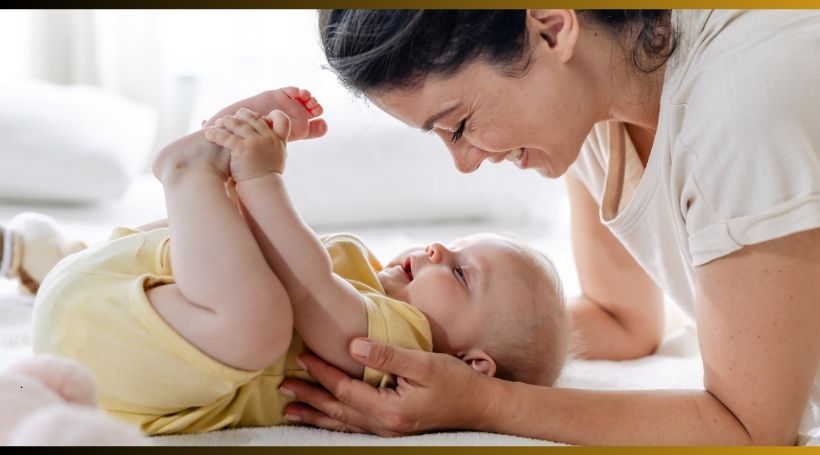
Watching your baby grow is one of the most exciting experiences you’ll ever have. But with so many changes happening in just the first year, it’s easy to wonder what’s normal and when to expect each new skill.
You might find yourself asking, “Is my baby developing on time? ” or “What milestones should I look for next? ” This guide will help you understand the key baby milestones, so you can feel confident and prepared every step of the way.
Keep reading to discover what your little one will likely achieve and how you can support their amazing progress.
Physical Milestones
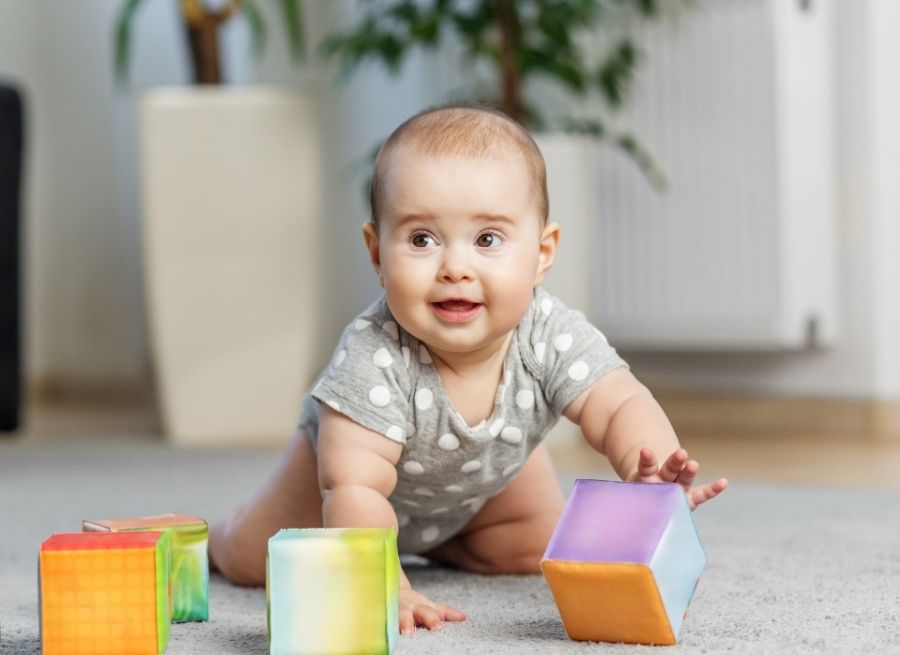
Physical milestones mark important steps in a baby’s growth during the first year. These milestones show how babies gain strength, balance, and coordination. Parents and caregivers often watch for these signs to understand their baby’s development. Each milestone builds on the one before, helping babies explore their world.
Head Control And Sitting Up
In the first few months, babies learn to control their head. They start by lifting their head while on their tummy. This helps build neck muscles. By around 4 months, many babies can hold their head steady without support. Sitting up comes next. At about 6 months, babies begin to sit with help. Soon after, many can sit without support. This skill improves balance and frees hands for playing.
Crawling And Standing
Crawling usually starts between 6 and 10 months. Babies use their arms and legs to move around. This helps develop muscle strength and coordination. Some babies skip crawling and move to standing. Standing often happens around 9 to 12 months. Babies hold onto furniture to pull themselves up. This builds leg muscles and balance. Standing is a big step toward walking.
First Steps
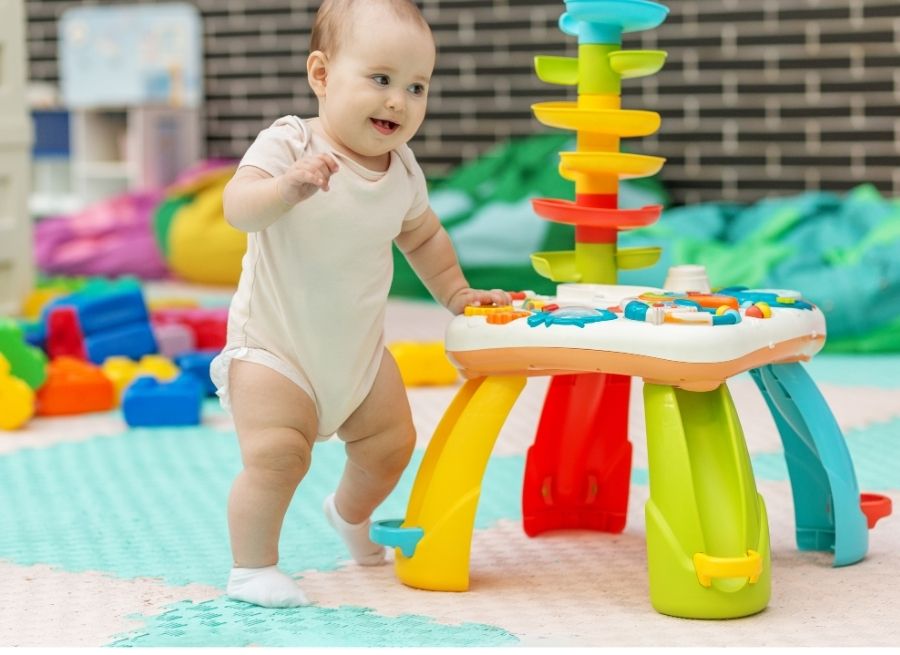
Walking typically begins between 9 and 15 months. Babies take their first steps with support. Soon, they try walking alone. These first steps are often unsteady and slow. Practice helps improve balance and confidence. Walking opens up new ways to explore and learn. Each step shows growing independence and strength.
Cognitive Growth
Cognitive growth is a key part of a baby’s first year. It means how babies learn, think, and understand the world. This growth helps them explore and make sense of new things around them. Parents and caregivers can watch this amazing progress closely. It shows how babies start to know people, solve simple problems, and begin to talk.
Recognizing Faces And Objects
Babies start to recognize faces within the first few months. They smile back at familiar people. They also notice objects and can tell the difference between them. This helps build trust and comfort. Recognizing faces is the start of social learning. It shows that babies remember and respond to what they see.
Problem Solving Skills
Babies use their senses to explore and figure things out. They learn how to reach for toys or move objects to get what they want. This shows early problem-solving skills. These skills grow as babies try new ways to overcome small challenges. They learn cause and effect, like dropping a toy and watching it fall.
Language Development
Babies begin to make sounds and babble around 4 to 6 months. They copy the tones and rhythms they hear. By the end of the first year, many say simple words like “mama” or “dada.” Language development is a sign that babies are learning to communicate. They connect sounds with people and objects in their world.
Emotional Milestones
Emotional milestones show how babies begin to understand and express feelings. These milestones are important signs of healthy emotional growth. Parents can observe these changes to know how their baby is developing social skills and emotional awareness.
Expressing Emotions
Babies start showing emotions soon after birth. Crying is the first way they express discomfort or needs. By two months, babies begin to show excitement or calmness. They use facial expressions like frowning or smiling to share feelings. These signs help parents respond to their baby’s needs.
Social Smiles And Laughter
Between six and eight weeks, babies start to smile at people. This is called a social smile. It shows they recognize and enjoy interaction. Around three to four months, babies laugh in response to play or funny sounds. Laughing helps build bonds between baby and family.
Stranger Anxiety
Stranger anxiety usually begins around six months. Babies become wary or upset around new people. This reaction shows they recognize familiar faces and feel safe with them. Stranger anxiety is a normal part of emotional development. It shows growing awareness of the world and people.
Sensory Development
The first year of a baby’s life is full of exciting changes. Sensory development is a key part of this growth. It helps babies learn about the world around them. Their senses—sight, hearing, touch, and taste—grow quickly. Understanding these changes can help parents support their baby’s progress.
Vision And Hearing Progress
Babies start with blurry vision. They focus best on objects about 8-12 inches away. By three months, they follow moving objects with their eyes. Colors become clearer as their vision sharpens. Around six months, depth perception improves. Babies begin to recognize familiar faces.
Hearing develops early too. Newborns react to loud sounds. They turn toward voices by two months. By six months, babies recognize their names. They enjoy different tones and rhythms. Listening skills lay the foundation for talking.
Exploring With Touch And Taste
Touch is one of the first senses babies use. They explore objects by grabbing and feeling textures. This helps build hand-eye coordination. Soft, rough, smooth—each texture teaches something new.
Taste develops as babies try new foods. At around six months, solid foods begin. Babies show preferences for sweet or sour tastes. Tasting helps them learn what is safe to eat. It also supports healthy eating habits.
Feeding And Sleeping Patterns
Feeding and sleeping patterns are key parts of a baby’s first year. These patterns often change as babies grow. Parents watch closely to understand their baby’s needs. Babies rely on feeding and sleep for growth and development. Each stage brings new habits and routines.
Transitioning To Solid Foods
Babies start eating solid foods around six months old. This step adds new tastes and textures. Begin with soft, simple foods like mashed vegetables or fruits. Offer small amounts and watch for reactions. Introduce one new food at a time to spot allergies. Solid food complements breast milk or formula, not replaces it. Eating skills develop slowly, so patience is important. Mealtime can be messy but is a learning time.
Sleep Cycles And Nighttime Routines
Newborns sleep in short bursts, waking often. Sleep stretches grow longer by three to four months. Nighttime routines help signal sleep time. A warm bath or gentle rocking can soothe babies. Consistent bedtime routines support better sleep habits. Babies may still wake at night for feeding. Sleep needs vary but most infants sleep 14 to 17 hours daily. Quiet and dark rooms promote better sleep quality.
When To Seek Advice
Knowing when to seek advice about your baby’s milestones can ease your mind. Babies grow at different speeds, but some signs show when extra help is needed. Early support can make a big difference in your child’s development.
Signs Of Delayed Milestones
Watch for missed milestones like not smiling by 3 months. Lack of eye contact or no sounds by 6 months can be a concern. If your baby does not sit up by 9 months, note it. Not walking by 18 months is another warning sign. Delays in speaking or responding to their name also matter.
Talking To Your Pediatrician
Bring up any worries during regular check-ups. Describe what you see and ask questions. Your pediatrician can check your baby’s growth and skills. They may suggest tests or specialists if needed. Open communication helps catch problems early and plan support.
Frequently Asked Questions
What Are The Key Baby Milestones In The First Year?
Babies usually start smiling by 6 weeks and rolling over by 4 months. Sitting up happens around 6 months, and many begin to crawl by 9 months. Walking often starts close to 1 year.
How Can Parents Track Their Baby’s Growth Milestones?
Parents can watch their baby’s movements and sounds regularly. Using milestone charts helps note progress in skills like sitting or babbling. Sharing concerns with a pediatrician is also a good idea.
When Should A Baby Start Talking Or Babbling?
Babies often begin cooing and babbling around 4 to 6 months. Simple sounds like “ba” or “da” come first. By 12 months, many say basic words like “mama” or “dada. “
What Signs Show A Baby Is Developing Social Skills?
Babies smile at faces and recognize voices by 6 to 8 weeks. They enjoy playing peek-a-boo by 6 months. Responding to their name shows growing social awareness.
Conclusion
Tracking your baby’s milestones helps you understand their growth better. Each child grows at their own pace. Celebrate small steps and enjoy every moment. Milestones show progress but don’t define your baby’s future. Stay patient and provide love and support daily.
Remember, your care makes a big difference. Keep watching, learning, and cherishing your baby’s first year. It’s a special time full of new discoveries. Every smile, sound, and movement is a milestone worth celebrating.