
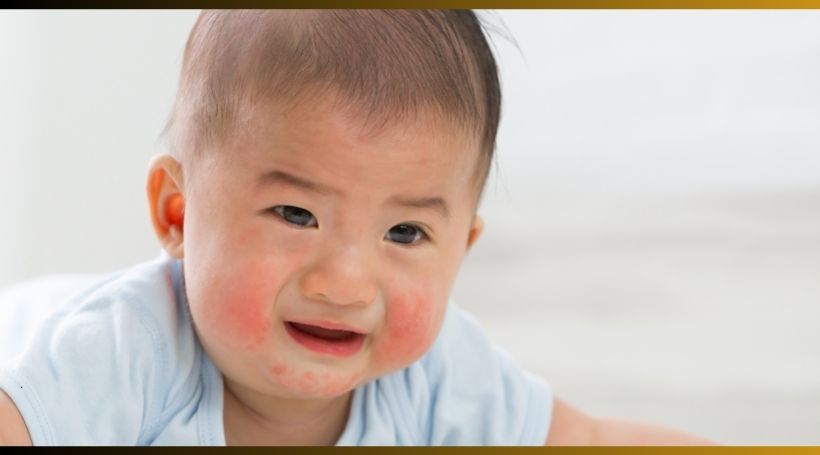
If you’re a parent, seeing a rash on your baby can be worrying. You might wonder if it’s something serious or just a harmless skin reaction.
Knowing which rashes are common and when to call a doctor can save you stress and keep your baby safe. You’ll discover the most typical baby rashes and clear signs that mean it’s time to get medical help. Keep reading so you can feel confident in caring for your little one’s delicate skin.
Types Of Baby Rashes
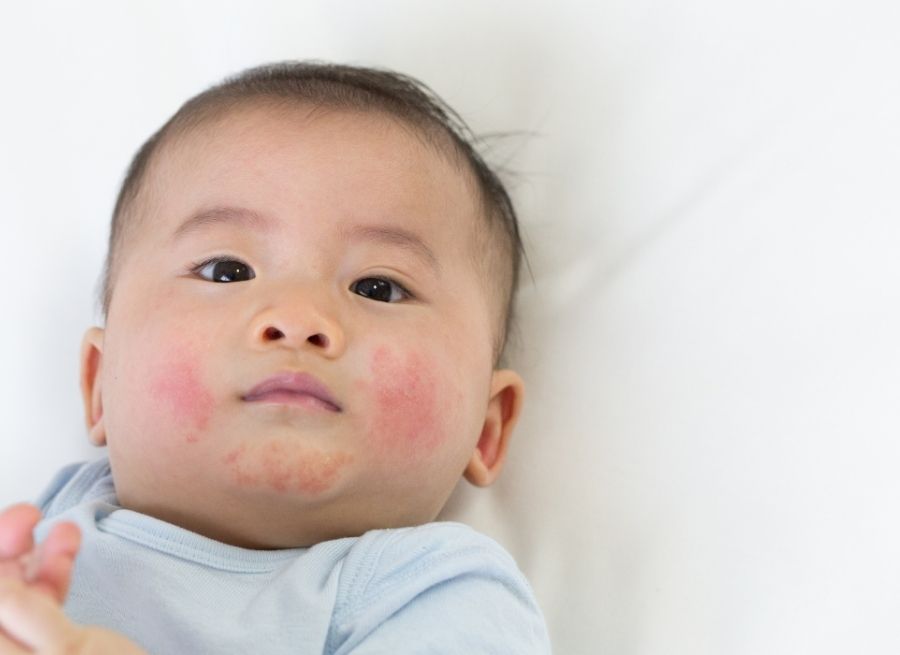
Babies often develop rashes during their first year. These rashes can look different and may cause worry. Knowing common types helps parents care for their baby better. It also helps decide when to seek medical advice. Here are the most common baby rashes to watch for.
Diaper Rash
Diaper rash appears as red, irritated skin in the diaper area. It happens from wetness, friction, or irritation. Changing diapers often and using barrier creams can help. If the rash spreads or doesn’t improve, a doctor should check it.
Eczema
Eczema causes dry, itchy patches on the skin. It often shows on the cheeks, arms, or legs. Moisturizing regularly can reduce itching. If the rash worsens or becomes infected, medical advice is needed.
Heat Rash
Heat rash looks like tiny red bumps on the skin. It happens when sweat gets trapped in the skin. Keeping the baby cool and dry helps the rash clear. Seek a doctor’s help if the rash spreads or causes discomfort.
Cradle Cap
Cradle cap shows as yellow, crusty patches on the baby’s scalp. It is not painful or itchy. Gentle washing and soft brushing usually clear it up. If it becomes swollen or infected, a doctor should be consulted.
Milia
Milia are small white bumps on the baby’s nose and cheeks. They occur when dead skin gets trapped in tiny pockets. Milia clear up on their own without treatment. A doctor’s visit is not usually necessary.
Baby Acne
Baby acne causes red or white bumps on the face. It may appear in the first few weeks of life. The condition usually clears without treatment in a few months. Contact a doctor if the acne worsens or spreads.
Causes Of Baby Rashes
Baby rashes are common and can cause worry for parents. Understanding what causes these rashes helps in managing them better. Many factors can lead to skin irritation in babies. Some rashes are harmless, while others need medical attention.
Irritants And Allergens
Babies have sensitive skin that reacts easily to irritants. Soaps, detergents, and lotions may cause redness and itching. Allergens like certain fabrics or foods can also trigger rashes. Avoiding these irritants helps keep the skin calm.
Infections
Infections from bacteria, viruses, or fungi can cause baby rashes. Common examples include diaper rash and ringworm. These rashes often come with other signs like fever or swelling. Early treatment is important to prevent spreading.
Dry Skin
Dry skin causes rough, flaky patches that can turn red. Cold weather and low humidity often worsen dryness. Babies who bathe too long or use harsh soaps may also get dry skin. Moisturizing regularly can soothe and protect the skin.
Heat And Sweat
Heat rash happens when sweat gets trapped under the skin. It appears as tiny red bumps, often in skin folds. Hot weather or overdressing a baby can cause this rash. Keeping the baby cool and dry helps avoid heat rash.
Immune Responses
Sometimes, the baby’s immune system reacts to triggers by causing rashes. Conditions like eczema are linked to immune responses. These rashes might come and go and need special care. Doctors can suggest treatments to manage immune-related rashes.
Symptoms To Watch For
Babies often get rashes. Some rashes are harmless. Others need medical care. Knowing the signs to watch helps parents decide when to seek help.
These symptoms show how serious the rash might be. Watch your baby closely. Note any changes in the skin or behavior. Act quickly if you see worrying signs.
Redness And Swelling
Redness is common in many rashes. Swelling means the area is puffed up. Both can signal irritation or infection. If redness spreads fast or swelling is painful, call a doctor.
Blisters And Pustules
Blisters are small, fluid-filled bumps. Pustules contain pus and look yellow or white. These signs often point to infection. Blisters that burst or pustules that increase need medical attention.
Scaling And Flaking
Skin that peels or flakes shows dryness or irritation. Scaling may also come from eczema or fungal infections. If the skin cracks or bleeds, consult a healthcare provider.
Fever Or Irritability
A rash with fever can mean a serious illness. Babies who are unusually fussy or sleepy also need a check-up. These symptoms mean the rash might not be simple.
Spread Of Rash
A rash that grows quickly or spreads to new areas is concerning. Watch if it moves beyond one spot or looks worse each day. Rapid spread requires prompt medical advice.
Home Care Tips
Home care plays a big role in managing common baby rashes. Simple steps can help soothe your baby’s skin. These tips also prevent rashes from getting worse. Careful attention to daily habits makes a difference.
Gentle Cleansing
Use lukewarm water and mild baby soap to clean your baby’s skin. Avoid harsh soaps or scrubbing, which can irritate the rash. Pat the skin dry softly with a towel. Do not rub the skin harshly.
Moisturizing
Apply a gentle, fragrance-free moisturizer often. Moisturizers help keep your baby’s skin soft and reduce dryness. Use creams or ointments rather than lotions for better protection. Moisturize after bathing and during diaper changes.
Avoiding Triggers
Watch for foods, fabrics, or products that cause rashes. Avoid using scented detergents or lotions on your baby’s clothes or skin. Keep your baby away from smoke and extreme temperatures. Identifying triggers helps prevent rash flare-ups.
Diaper Changing Practices
Change diapers frequently to keep the area dry and clean. Use gentle wipes or a soft cloth with water. Let the skin air dry before putting on a new diaper. Use diaper creams to protect the skin from moisture.
Clothing Choices
Dress your baby in soft, breathable fabrics like cotton. Avoid tight clothing that can rub and irritate the skin. Wash new clothes before wearing to remove chemicals. Choose loose-fitting outfits to keep skin cool and dry.
When To Contact A Doctor
Knowing when to contact a doctor about your baby’s rash is very important. Some rashes are harmless and go away on their own. Others need quick medical attention to keep your baby safe. Watch closely for signs that show the rash might be serious. Acting fast can help your child heal better.
Rash With Fever
A rash that comes with a fever needs prompt care. Fever may mean an infection or illness. Check your baby’s temperature often. If the fever is high or lasts more than a day, call the doctor. Do not wait or try to treat it at home alone.
Rapid Rash Spread
If the rash spreads quickly over the body, get medical help. Fast spreading can be a sign of a severe allergic reaction or infection. Watch for new spots appearing within hours. Immediate care is important to stop the rash from worsening.
Signs Of Infection
Look for signs of infection around the rash. Redness, swelling, warmth, or pus are warning signs. Your baby may also be very fussy or tired. These symptoms show the rash could be infected. Contact a healthcare provider for proper treatment.
Persistent Or Worsening Rash
A rash that does not improve after a few days needs a doctor’s review. If the rash gets worse or changes color, call for help. Long-lasting rashes might point to allergies or skin conditions. Early diagnosis helps avoid complications and discomfort.
Difficulty Breathing Or Swelling
Swelling of the face, lips, or difficulty breathing is an emergency. These signs may indicate a serious allergic reaction. Call emergency services right away. Quick action saves lives and prevents severe problems.
Medical Treatments
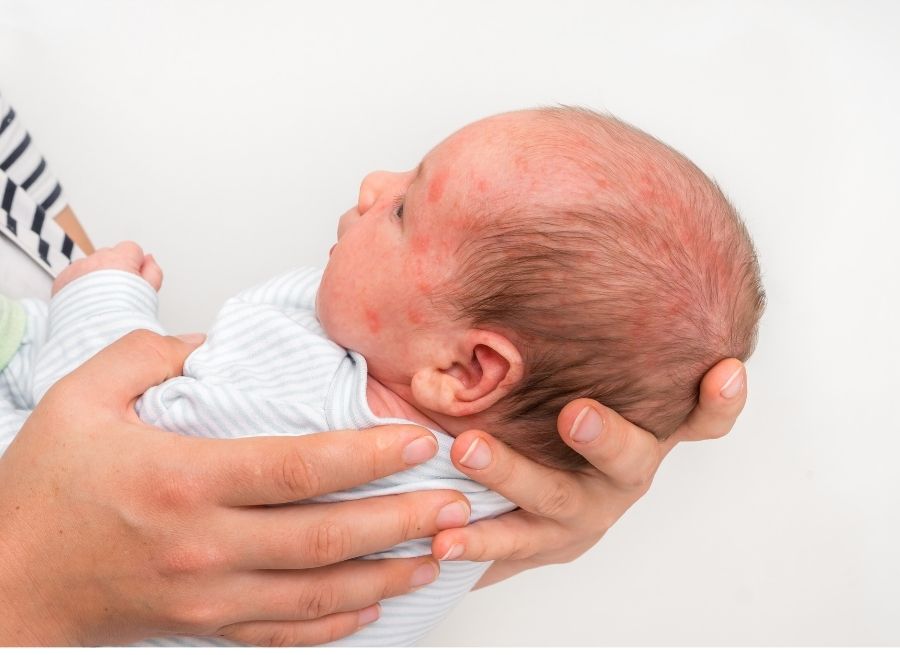
Medical treatments help manage baby rashes that do not improve with home care. Doctors choose treatments based on rash type and severity. Careful treatment protects your baby’s skin and comfort. Early action can prevent the rash from worsening.
Topical Creams And Ointments
Doctors often recommend creams or ointments to soothe rash symptoms. These may include hydrocortisone or antifungal creams. They reduce inflammation, itching, and redness. Apply as the doctor advises to avoid irritation. Do not use adult products without medical advice.
Oral Medications
Some rashes need oral medicines to clear infections or allergies. Antibiotics treat bacterial infections causing rashes. Antihistamines help with allergic reactions and itching. Medicines must be given exactly as prescribed. Keep all medications out of your baby’s reach.
Allergy Testing
Allergy tests identify substances triggering your baby’s rash. Doctors use skin or blood tests to find allergens. Knowing triggers helps avoid future reactions. Testing is safe and quick, even for small children. Results guide treatment and prevention plans.
Referral To Specialists
Severe or unusual rashes may need specialist care. Dermatologists focus on skin conditions and offer advanced treatments. Allergists help manage rashes linked to allergies. Specialists provide a clear diagnosis and effective care. Your pediatrician can refer you when needed.
Frequently Asked Questions
What Are The Most Common Baby Rashes Parents See?
Baby rashes often include diaper rash, heat rash, eczema, and cradle cap. These are usually mild and clear up with home care. Knowing their signs helps parents respond quickly.
When Should I Call A Doctor For My Baby’s Rash?
Call a doctor if the rash spreads fast, has blisters, or is very red and swollen. Also, seek help if your baby has a fever or looks sick. These signs may need medical treatment.
Can Baby Rashes Be Prevented At Home?
Yes, keeping your baby’s skin clean and dry helps prevent many rashes. Use gentle soaps, change diapers often, and dress your baby in soft, breathable clothes. These simple steps reduce rash risks.
How Can I Soothe My Baby’s Itchy Rash Safely?
Use cool compresses or a mild moisturizer to calm itching. Avoid harsh creams or scratching, which can worsen the rash. If itching persists, talk to your pediatrician for advice.
Conclusion
Baby rashes are common and often harmless. Most clear up with gentle care at home. Watch for signs like fever, swelling, or spreading rash. These need quick medical attention. Keeping your baby clean and dry helps prevent many rashes. Trust your instincts—seek a doctor’s advice when unsure.
Understanding when to call can protect your baby’s health. Stay calm and act wisely for your little one’s comfort.