

Balance motherhood, work, and personal time by setting priorities, routines, and firm boundaries.
I draw on years of experience helping busy parents find steady rhythms. This guide shows how to balance motherhood work and personal time with clear steps, real examples, and research-backed ideas. You will get practical strategies for planning, communication, and self-care. Read on to build a sustainable plan that fits your life and values.

Understanding the challenge of How to Balance Motherhood Work and Personal Time
Balancing motherhood, work, and personal time means juggling roles every day. Many parents feel stretched thin. This section defines the challenge and explains why it feels constant.
What makes this hard
- Multiple time demands compete for attention and energy.
- Work schedules often conflict with children's needs.
- Personal time is treated as optional rather than essential.
Common causes
- Lack of clear routines at home and work.
- Limited childcare options or unpredictable schedules.
- Perfectionism and guilt around self-care.
Why this guide helps
- It mixes practical tactics with real-life examples.
- It focuses on small changes you can keep doing.
- It treats personal time as part of work and motherhood success.
How can short routines help immediately?
Short routines reduce decision fatigue and free mental space. A two-minute morning checklist or a five-minute nightly plan creates calm and predictability.
Will flexibility at work always solve the problem?
Flexibility helps but does not fix boundaries or priorities by itself. You still need routines, clear expectations, and reliable childcare.

Practical strategies to balance motherhood work and personal time
Practical strategies make daily life smoother. Use these steps to shape your week.
Prioritize with a simple rule
- List three top priorities each week. Start there.
- Make one priority for work, one for family, one for you.
Time block your week
- Reserve blocks for deep work, family time, and personal time.
- Put blocks on your calendar like meetings.
Batch tasks
- Group similar chores or work tasks into one slot.
- Batch emails, errands, and meal prep to save time.
Delegate and trade
- Ask for help from partners, family, or friends.
- Trade tasks with other parents when possible.
Use rituals
- Create short rituals for transitions.
- A five-minute cuddle, a tidy-up, or a quick walk signals role change.
Build buffer time
- Add 10–20 minutes between tasks for smooth handoffs.
- Buffer time reduces stress from small delays.
These tactics help you make time for work and personal time while parenting. They keep balance realistic and repeatable.
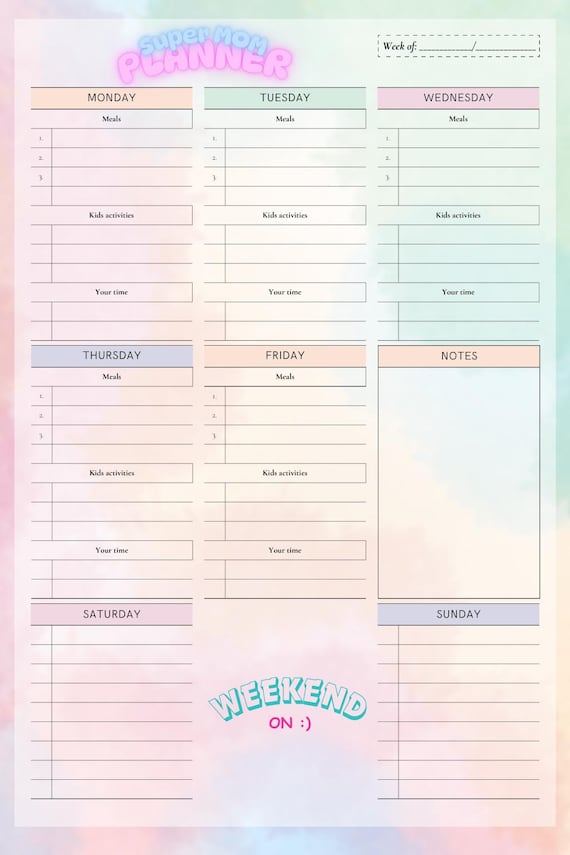
Time management techniques and tools for real results
Good tools support the plan. Keep systems simple and flexible.
Time blocking method
- Block work hours, school runs, and “me” time.
- Respect blocks like appointments.
Use shared calendars
- A shared family calendar prevents scheduling clashes.
- Color-code work, school, and personal events.
Try focus techniques
- Use short focus sprints of 25–45 minutes.
- Follow sprints with short breaks and a reset.
Automate and outsource
- Automate bills and routine shopping.
- Outsource tasks like house cleaning when budget allows.
Apps and tools I recommend
- Calendar apps with shared views.
- Simple task lists for daily must-dos.
- Meal-planning tools for quick menus.
Personal tip: I used weekly time blocks when my children were young. It cut late-night work and preserved one weekend morning for myself. Small tech choices can change daily energy.

Setting boundaries and communicating at work and home
Boundaries keep roles clear. Communication makes boundaries stick.
Create clear work rules
- Share your core hours with your manager and team.
- Say how and when you will respond to messages.
Define family boundaries
- Set quiet hours and family routines.
- Decide who handles mornings, pickups, and evenings.
Negotiate flexible arrangements
- Ask for flexible start times or condensed workdays.
- Offer clear plans on how you will meet goals.
Practice scripts
- Use short phrases to set limits.
- “I can take that after school pickup” and “I need 30 minutes for myself now” work well.
Be consistent
- Repeat boundaries calmly and often.
- Consistency reduces pushback and confusion.

Self-care, mental health, and personal time
Self-care is not selfish. It makes you a better parent and worker.
Small actions that add up
- Sleep when you can and guard sleep time.
- Move for 10–20 minutes most days.
- Eat regular small meals to keep energy steady.
Micro-breaks matter
- Take short breaths between tasks.
- Five-minute walks or stretch breaks reset focus.
Protect a weekly personal slot
- Block one recurring slot for an activity just for you.
- Treat it like a nonnegotiable appointment.
Mental health support
- Talk to peers or a coach when things feel heavy.
- Therapy or support groups can help in hard seasons.
Be honest about limits
- You cannot do everything well all the time.
- Let go of perfection and choose what matters most.

Real-life examples and lessons learned
Concrete stories show what works. I share lessons from my work with parents.
Example 1: The working mom who time-blocked
- She moved emails to two short windows.
- Her evening time became calmer and consistent.
Example 2: Trading childcare with a neighbor
- A parent swapped two afternoons each week.
- Both gained work hours and personal breaks.
Mistakes to avoid
- Saying yes to everything.
- Skipping personal time until a crisis.
Lessons I learned
- Start small and iterate weekly.
- Share plans with your partner and team.
- Failures are data. Adjust quickly.

Measuring progress and adjusting your plan
Tracking helps you improve. Use simple measures and review often.
Simple metrics to watch
- Number of uninterrupted work hours per week.
- Number of weekly personal time slots kept.
- Stress levels rated 1–5 each day.
Weekly review ritual
- Spend 10 minutes each Sunday to review the week.
- Adjust blocks and priorities for next week.
When to change course
- If you miss personal time three weeks in a row, act.
- If work demands spike, revisit boundaries and delegation.
Limitations and realities
- Some seasons are harder, like newborn months.
- Plans must be flexible and kind to yourself.

Frequently Asked Questions of How to Balance Motherhood Work and Personal Time
How do I find time for myself with a packed schedule?
Start with five to fifteen minutes daily and protect that slot. Small, consistent breaks grow into meaningful personal time.
Can flexible work actually improve family life?
Yes. Flexible work can reduce commute time and allow for better alignment with family needs. It still requires clear boundaries and good planning.
How do I avoid burnout while managing work and kids?
Set nonnegotiable rest times, delegate tasks, and seek support early. Track stress and adjust before exhaustion builds.
What if my partner doesn’t share responsibilities equally?
Have a calm, specific conversation about tasks and priorities. Use the weekly plan to divide duties and track fairness.
How do I handle guilt when taking personal time?
Remind yourself that rest aids productivity and parenting. Reframe personal time as essential, not selfish.
How can I maintain career growth while parenting?
Block time for skill work and communicate your plan to managers. Seek projects with clear goals and visible impact.
Is outsourcing worth the cost?
Outsourcing can buy time and reduce stress, especially during busy seasons. Weigh cost against energy saved and family well-being.
Conclusion
Balancing motherhood, work, and personal time is a steady practice. Use clear priorities, simple routines, and firm boundaries to protect what matters. Start with small steps and review weekly to stay flexible and effective. Try one change this week: block a 30-minute personal slot or set one boundary at work. Share your progress, ask for help, and keep adjusting. If this guide helped, subscribe for more tips or leave a comment with your top challenge about how to balance motherhood work and personal time.