
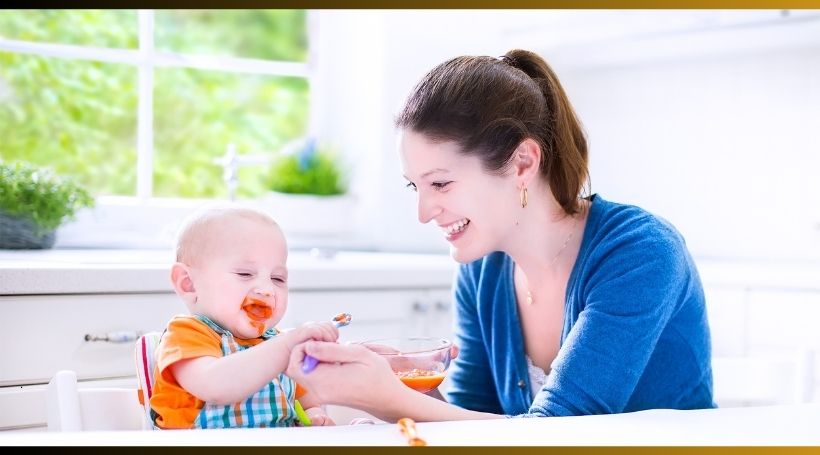
Helping your baby transition to solid foods can feel both exciting and a little overwhelming. You want to make sure your little one is comfortable and happy while trying new tastes and textures.
But where do you start? How do you know if your baby is ready? And how can you make this change smooth for both of you? You’ll find simple, practical tips to guide your baby’s first bites. Keep reading to discover how to make this important milestone a positive experience for your whole family.
Signs Your Baby Is Ready
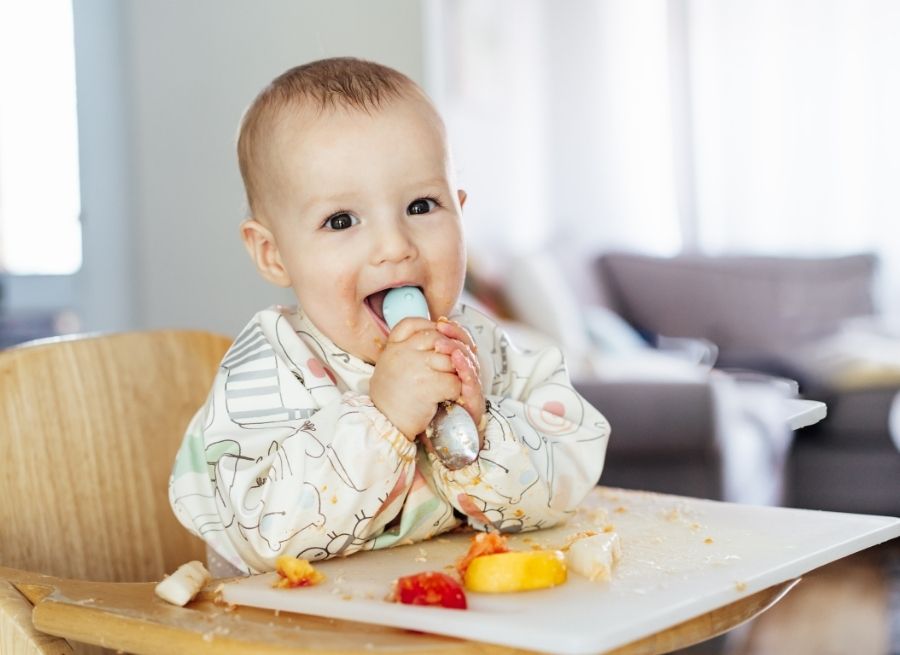
Knowing when your baby is ready for solid foods is important. Babies develop at their own pace. Watch for certain signs to start feeding solids safely. These signs show your baby’s body and mind are ready for new textures and tastes.
Physical Milestones
Your baby should sit well with little support. Good head control is key for safe eating. Check if your baby can hold their head steady. The baby’s tongue should move up and down, not push food out. This helps them swallow solids instead of spitting them out.
Behavioral Clues
Babies ready for solids show interest in food. They might watch you eat or reach for your food. Your baby may open their mouth when food is near. They might seem hungry even after milk feeds. These clues show curiosity and readiness to try new foods.
Choosing First Foods
Choosing the right first foods is an important step in your baby’s journey to solid foods. It helps your baby learn new tastes and textures. It also supports healthy growth and development. Start with simple, gentle foods that are easy to digest. This makes the transition smooth and enjoyable for your little one.
Best Starter Foods
Good first foods are soft and mild in flavor. Pureed vegetables like sweet potatoes, carrots, and squash work well. Mashed fruits such as bananas and avocados are also great choices. Rice cereal or oatmeal mixed with breast milk or formula can be a good option. These foods provide important nutrients without overwhelming your baby’s taste buds.
Foods To Avoid Initially
Avoid foods that may cause choking or allergies early on. Honey should never be given to babies under one year. Whole nuts and popcorn are choking hazards. Citrus fruits and tomatoes can be too acidic for young babies. Also, stay away from cow’s milk as a main drink until after 12 months. These precautions keep your baby safe and comfortable during the change.
Preparing Solid Foods
Preparing solid foods for your baby is an important step in their growth. It takes time and care to make meals safe and tasty. Start with fresh ingredients and simple recipes. Watch your baby’s reactions to new foods. This helps you know what they like and need.
Cooking Techniques
Steam or boil fruits and vegetables until soft. These methods keep vitamins and minerals. Avoid frying or adding salt and sugar. Use a blender or food processor for smooth purees. You can also mash foods with a fork for thicker texture. Always cook foods well to prevent choking.
Texture Tips
Begin with very smooth purees for easy swallowing. Gradually make foods thicker as your baby learns. Offer soft lumps to help chewing skills. Mix textures to keep meals interesting. Watch closely for any signs of difficulty. Adjust textures based on your baby’s progress.
Introducing Foods Safely
Introducing solid foods is a big step for your baby. It helps them learn new tastes and textures. It also gives important nutrients that breast milk or formula may not provide alone. Safety is key during this time. Careful choices can make the experience smooth and healthy for your child.
Allergy Awareness
Start with single-ingredient foods. Wait three to five days before adding a new food. This helps spot any allergies or reactions quickly. Watch for signs like rashes, swelling, or breathing trouble. Common allergens include peanuts, eggs, and dairy. Talk to your pediatrician about when to try these foods.
Portion Sizes
Begin with small amounts, about one to two teaspoons. Gradually increase the portion as your baby gets used to eating. Avoid large servings that may overwhelm or cause choking. Babies control how much they want to eat. Trust their cues and never force feed. Small, frequent meals work best at first.
Feeding Techniques
Introducing solid foods is a big step for your baby. It needs patience and gentle care. Feeding techniques help your baby enjoy new tastes and textures. They also build good eating habits early on.
Start with simple methods. They make the transition smooth and fun. Your baby learns to eat with confidence. Feeding becomes a bonding time for both of you.
Using Spoons And Fingers
Use soft-tipped spoons to feed your baby. They feel gentle on the gums. Offer small spoonfuls of pureed food. Let your baby open their mouth for the spoon.
Allow your baby to try feeding with fingers. Soft, small pieces of food are perfect. This helps develop hand-eye coordination. It also encourages self-feeding skills.
Watch your baby’s cues. Stop if they turn away or close their mouth. Respect their pace and comfort. Avoid forcing food into their mouth.
Creating A Feeding Routine
Set consistent times for feeding each day. Babies thrive with regular schedules. Predictable meal times help your baby feel secure. It also improves appetite and digestion.
Keep mealtimes calm and quiet. Choose a comfortable place with little distractions. This helps your baby focus on eating. Use a high chair to support good posture.
Offer food at the same times daily. This builds habits and reduces fussiness. Be patient. Routine takes time to develop but pays off well.
Managing Common Challenges
Introducing solid foods to your baby can bring some challenges. These moments test your patience and creativity. Understanding common issues helps you respond calmly and effectively. Focus on small wins and keep your baby’s comfort in mind. Here are two frequent challenges and ways to manage them.
Dealing With Refusals
Babies may refuse new foods for many reasons. The taste, texture, or even mood can affect their willingness. Offer the food several times without pressure. Keep mealtimes relaxed and positive. Try different textures and flavors to find what your baby likes. Avoid forcing the spoon. Praise small attempts to encourage trying new foods.
Handling Messy Eaters
Messy eating is a normal part of learning. Babies use their hands to explore food. Use a bib and place a mat under the high chair. Offer small portions to reduce spills. Let your baby play with food to build comfort. Keep wipes or a damp cloth nearby. Stay patient and remember, mess means progress.
Encouraging Healthy Eating Habits
Helping your baby develop healthy eating habits is very important. It sets the stage for good nutrition as they grow. You can make this time fun and positive. Your baby learns a lot from you. They watch how you eat and what you eat. Creating a good environment helps your baby enjoy new foods.
Offering Variety
Give your baby many different foods. Different colors, textures, and flavors teach them about food. Try vegetables, fruits, grains, and proteins. This helps them find what they like. It also ensures they get many nutrients. Avoid making the same meals all the time. New experiences with food are good for your baby’s growth.
Modeling Positive Behavior
Eat healthy foods in front of your baby. Smile and show you enjoy your food. Talk about the taste and texture. Your baby will want to try what you eat. Avoid negative comments about food. Be patient if your baby refuses new foods. Keep offering them in a calm way. Your example teaches your baby to love healthy food.
Monitoring Baby’s Progress
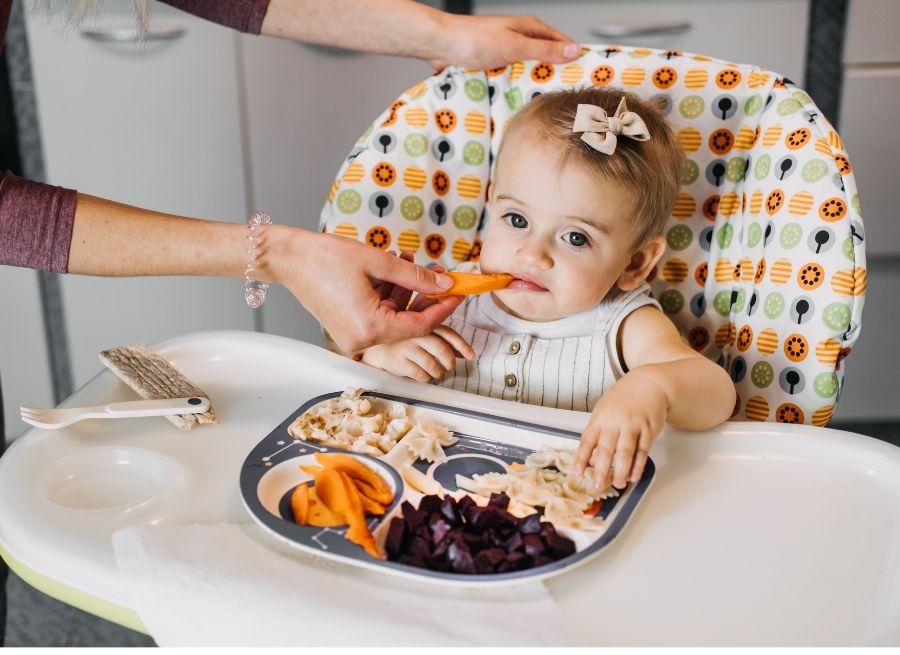
Monitoring your baby’s progress during the transition to solid foods is important. It helps you see how well your baby adapts to new tastes and textures. Careful observation ensures your baby stays healthy and happy. This phase is a key step in your baby’s growth.
Watch for changes in eating habits and physical growth. Notice any reactions to new foods. Keeping track helps you make good choices for your baby’s diet.
Tracking Growth
Keep a record of your baby’s weight and height. Growth charts help compare your baby’s progress with typical milestones. Check if your baby gains weight steadily. Balanced growth shows the baby gets enough nutrition.
Observe your baby’s energy levels and mood. A happy, active baby usually eats well. Note any changes in bowel movements or sleep patterns. These signs give clues about how your baby handles solid foods.
When To Consult A Pediatrician
Contact your pediatrician if your baby refuses food for many days. Seek advice if your baby shows signs of allergies like rash or swelling. Call the doctor if your baby has diarrhea or vomiting after eating solids.
Speak with a pediatrician if your baby’s growth slows down. Early help can prevent feeding problems. Professionals guide you on the best foods and feeding methods for your baby.
Frequently Asked Questions
When Should I Start Feeding My Baby Solid Foods?
Babies usually start solid foods around 6 months old. Look for signs like sitting up and showing interest in food.
What Are The Best First Foods For Babies?
Soft, mashed fruits and vegetables are great starters. Rice cereal and pureed meats also work well.
How Do I Know If My Baby Is Ready For Solids?
Your baby should sit with little support and control their head. They might open their mouth for food.
How Can I Prevent Choking During Baby’s First Solids?
Always supervise your baby while eating. Serve soft, small pieces and avoid hard or sticky foods.
Conclusion
Helping your baby start solid foods takes patience and care. Offer soft, simple foods first. Watch for signs your baby likes or dislikes new tastes. Keep mealtimes calm and fun. Remember, every baby learns at their own pace. Stay consistent and gentle.
Celebrate small wins along the way. This new stage builds healthy habits for life. Keep your baby’s comfort and safety as top priorities. Enjoy this exciting time of growth and discovery together.
