

Last Updated on June 6, 2026
Prioritize sleep, nutrition, gentle movement, emotional rest, and asking for help every day.
As a clinician and parent educator with years supporting families through postpartum recovery, I wrote this guide to outline the Essential Self-Care Tips Every New Mom Should Follow. I explain clear, practical steps that protect your health while you bond with your baby. Read on for evidence-informed routines, real-life tips I’ve used with patients and clients, and simple actions you can start today to feel more rested, nourished, and confident in your new role.

Why self-care matters after birth
Self-care after birth is not a luxury. It is a medical and emotional necessity. When new mothers rest, eat well, and get support, healing is faster and mood disorders are less likely. Good self-care also improves breastfeeding success and the baby’s routine.
The Essential Self-Care Tips Every New Mom Should Follow focus on five core areas: sleep and rest, nutrition and hydration, physical recovery, emotional health, and social support. Addressing each area prevents common postpartum complications and supports long-term wellbeing.

Core Essential Self-Care Tips Every New Mom Should Follow
Below are practical strategies organized by need. Use them as a checklist and tailor them to your life and recovery pace.
1. Prioritize sleep and rest
Sleep drives recovery. Aim for short restorative naps when the baby sleeps. Nighttime sleep will be fragmented. Accept help for night feeds when possible to extend longer sleep blocks.
- Try “tag-team” nights with a partner or caregiver.
- Use safe co-sleeping alternatives like bedside bassinets for easier feeds.
- Sleep when your baby sleeps rather than catching up on chores.
The Essential Self-Care Tips Every New Mom Should Follow always begin with realistic sleep strategies that fit your household and recovery needs.
2. Fuel your body: nutrition and hydration
Healing needs calories, protein, iron, and fluids. Prioritize balanced meals and easy snacks. Hydration improves milk supply and energy.
- Keep high-protein snacks visible and accessible.
- Prepare simple meals ahead or accept meal trains.
- Drink a glass of water with each feeding.
Good nutrition lowers fatigue and supports mood. Include a basic multivitamin if recommended by your provider.
3. Support physical recovery and pelvic health
Your body changes dramatically. Gentle care and medical follow-up help prevent long-term issues.
- Attend postpartum checkups at six weeks or earlier if concerns arise.
- Practice pelvic-floor breathing and gentle pelvic-floor exercises.
- Avoid heavy lifting and high-impact exercise until cleared.
Follow stepwise progression for activity. The Essential Self-Care Tips Every New Mom Should Follow recommend pelvic rehab if you notice leakage, pain, or pelvic pressure.
4. Tend to emotional and mental health
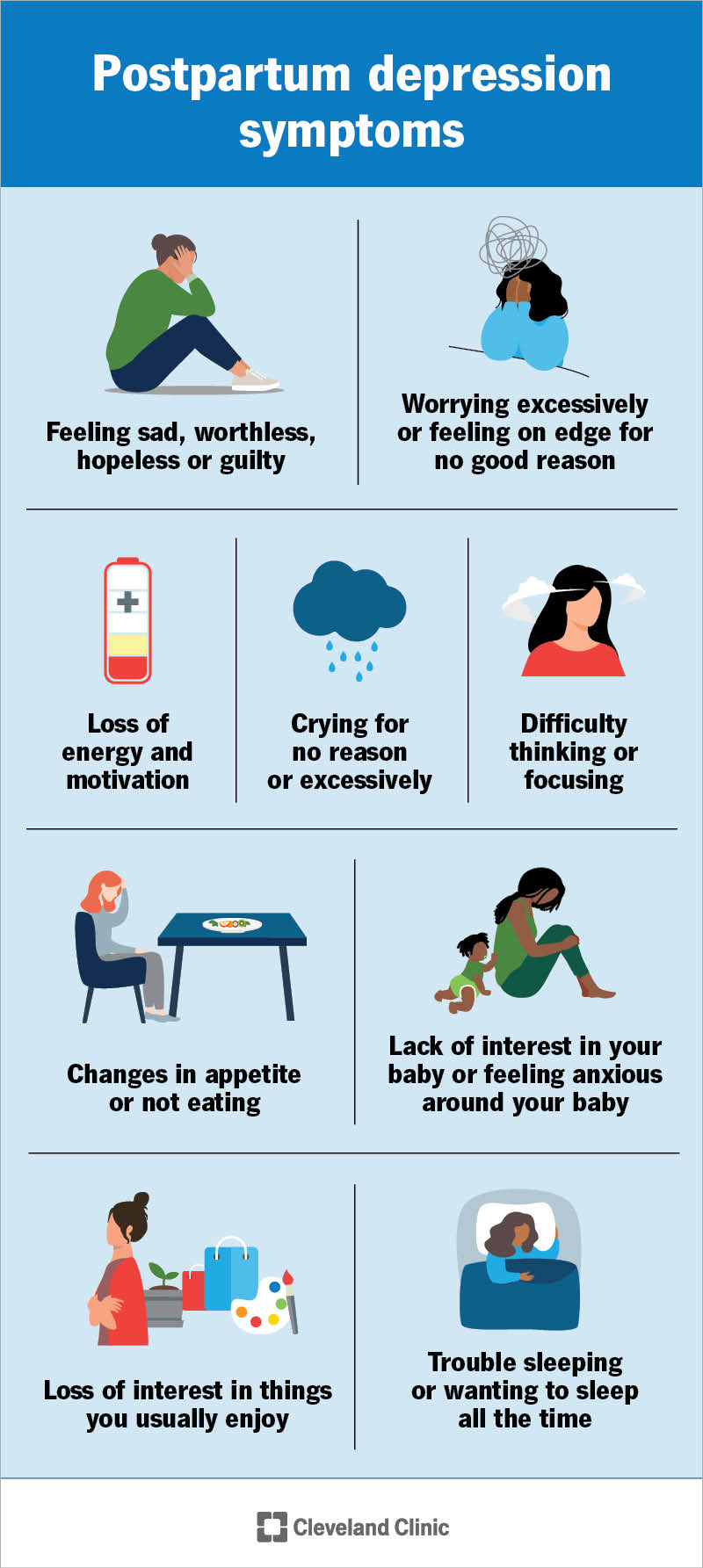
Mood changes are common and treatable. Watch for persistent sadness, anxiety, or intrusive thoughts.
- Share feelings with trusted people or a clinician.
- Seek screening for postpartum depression if symptoms last more than two weeks.
- Use micro-practices: five-minute breathing, short walks, or journaling.
As someone who has guided new moms, I’ve seen early support reduce the severity of postpartum mood disorders. Prioritize mental health as you would physical care.
5. Breastfeeding and body care
Breastfeeding needs support and self-care for success. Comfort and technique matter.
- Get lactation help early for latch or pain.
- Treat sore nipples promptly and practice good breast hygiene.
- Wear supportive, comfortable bras and protect nipples with lanolin if needed.
The Essential Self-Care Tips Every New Mom Should Follow include learning signs that breastfeeding is going well and when to ask an expert.
6. Simplify routines and accept help
You do not have to do everything. Simplify chores and accept practical support.
- Make a short priority list each day with three tasks max.
- Ask for specific help like dishes, laundry, or a grocery run.
- Use services or meal delivery if affordable.
Delegation preserves energy for baby care and recovery.
7. Gentle movement and gradual fitness
Movement improves mood, digestion, and sleep. Start slowly.
- Begin with short walks and gentle mobility work.
- Add pelvic-floor and core rebuilding exercises after clearance.
- Progress based on comfort, not comparison.
The Essential Self-Care Tips Every New Mom Should Follow advise against rushing back to intense exercise.
8. Routine medical follow-up and contraception
Regular check-ins prevent issues. Discuss contraception and physical recovery.
- Keep postpartum appointments and immunizations.
- Report heavy bleeding, fever, severe pain, or mood changes.
- Plan contraception when you’re ready.
Early communication with clinicians keeps recovery on track.
Practical daily routines and sample schedules
Small predictable routines help your body and mind. Below are adaptable examples.
Sample morning (for breastfeeding parent)
- Wake, hydrate with a full glass of water.
- Short breastfeeding session and skin-to-skin.
- Quick protein-rich breakfast and a 10–20 minute walk.
Sample midday
- Nap or rest while baby naps.
- Easy lunch and light household tasks, if energy allows.
- Short self-care break: shower, mindfulness, or phone call.
Sample evening
- Shared feeding routine to allow an extended rest block for one caregiver.
- Light stretch or breathing practice before bed.
- Aim for consistent bedtime to help circadian rhythm.
The Essential Self-Care Tips Every New Mom Should Follow include flexibility. Use a checklist rather than a strict clock. Small, predictable actions compound into big benefits.
PAA-style question 1: How many hours should a new mom sleep?
Short answer: Total sleep may still be fragmented, but aim for 7–9 hours in 24-hour totals. Prioritize naps and shared night duties to accumulate restorative sleep.
PAA-style question 2: When can I exercise after birth?
Short answer: Gentle movement can start within days with approval, but return to higher intensity only after your provider clears you, typically 6–8 weeks for uncomplicated births.
PAA-style question 3: What foods help postpartum recovery?
Short answer: Protein, iron-rich foods, whole grains, fruits, vegetables, and healthy fats support healing and energy. Hydrate consistently, especially if breastfeeding.
Personal experience: lessons I share with new moms
Over years in clinical practice and parenting, I learned what helps most. I encourage small, practical changes. They often matter more than big plans.
A client once tried to “do it all” and burned out in week two. We shifted to three daily priorities, brief naps, and a meal plan. Her mood and energy improved within a week. From my experience, asking for help early prevents later crises.
Common mistakes to avoid:
- Trying to keep pre-baby schedules immediately.
- Waiting to seek help for low mood or pain.
- Skipping follow-up appointments.
The Essential Self-Care Tips Every New Mom Should Follow are best applied with compassion and patience. Be gentle with your expectations.
Common concerns, warning signs, and when to seek help
Know the red flags that need prompt attention.
Signs to contact a clinician
- Heavy bleeding soaking a pad hourly or fever over 100.4°F.
- Severe pain not controlled by medication.
- Suicidal thoughts, severe hopelessness, or inability to care for baby.
When to seek lactation help
- Persistent pain with nursing, cracked nipples, or poor weight gain.
- Signs of mastitis: localized breast pain, fever, and flu-like symptoms.
Mental health support
- If feelings of anxiety, panic, or sadness persist beyond two weeks or worsen, seek professional help. Early treatment is effective and common.
The Essential Self-Care Tips Every New Mom Should Follow always include knowing when to escalate care. Trust your instincts and ask for help early.

Frequently Asked Questions of Essential Self-Care Tips Every New Mom Should Follow
How soon should I start self-care after delivery?
Begin immediately. Even small acts like hydration, rest, and asking for help count as self-care.
Is it selfish to rest while the baby sleeps?
No. Resting preserves your health and improves caregiving. Short naps add restorative sleep and reduce burnout.
How do I balance newborn care with other children?
Create simple routines, involve older children in age-appropriate tasks, and accept temporary help for errands or childcare.
Can I still breastfeed if I need medication for mood?
Many medications are safe while breastfeeding, but always discuss options with your provider to choose the best plan.
What if I don’t feel connected to my baby?
This can be common and does not mean you are a bad parent. Talk to a clinician or counselor; early support helps build bonding.
When is postpartum depression different from baby blues?
Baby blues usually resolve in two weeks. If low mood, anxiety, or hopelessness continues past two weeks or worsens, seek professional help right away.
How can partners best support a new mom?
Partners can take on night feeds, household chores, emotional check-ins, and coordinate care with family to reduce stress and share responsibility.
Conclusion
The Essential Self-Care Tips Every New Mom Should Follow give you a roadmap: prioritize sleep, eat well, move gently, seek support, and watch for warning signs. Start with small, consistent actions and ask for help when you need it. Your wellbeing matters to your baby and family. Try one change today—schedule a nap, request a meal, or call your care provider—and notice how it shifts your recovery. Share your experience in the comments or subscribe for more practical postpartum guidance.
