

Most new moms recover gradually: expect weeks to months of physical and emotional change.
I write from years of clinical and parenting experience to guide you through the Postpartum Recovery Timeline: What Moms Can Expect. This article explains the typical stages, common symptoms, warning signs, and practical tips to help you feel safer and more prepared after birth. You will find clear timelines, realistic examples, and steps you can take now to support healing and well-being.
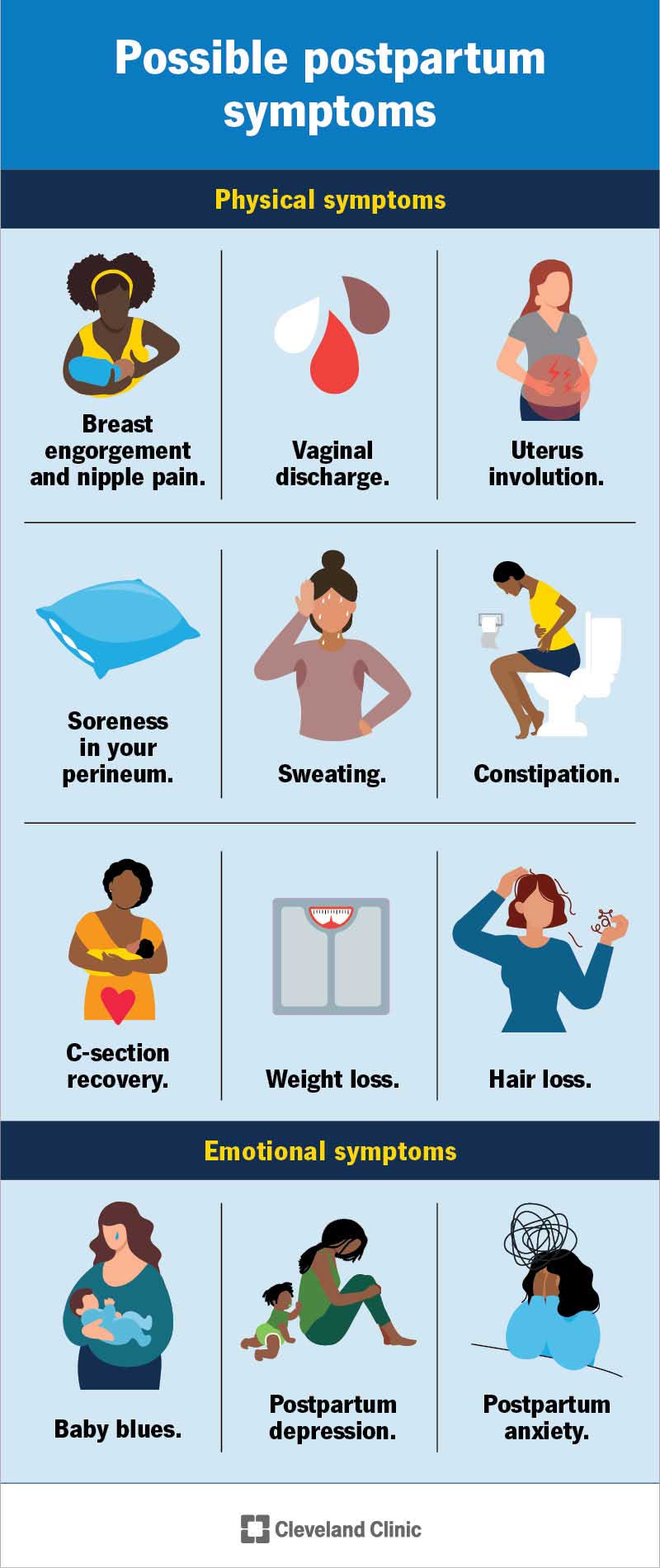
Understanding Postpartum Recovery Timeline: What Moms Can Expect
Postpartum means the period after birth when the body and mind heal and adjust. The Postpartum Recovery Timeline: What Moms Can Expect covers immediate recovery, the first two weeks, the six-week check, and progress across months one, three, six, and up to a year. Recovery is personal. Many changes are normal, and some need care.
Key ideas to watch for:
- Physical healing of the uterus, perineum, or incision
- Hormone shifts that affect mood and sleep
- Changes in milk supply and breastfeeding
- Return of energy and sexual health
I have worked with new families and guided them through the Postpartum Recovery Timeline: What Moms Can Expect. My advice blends clinical knowledge and practical tips that you can use today.
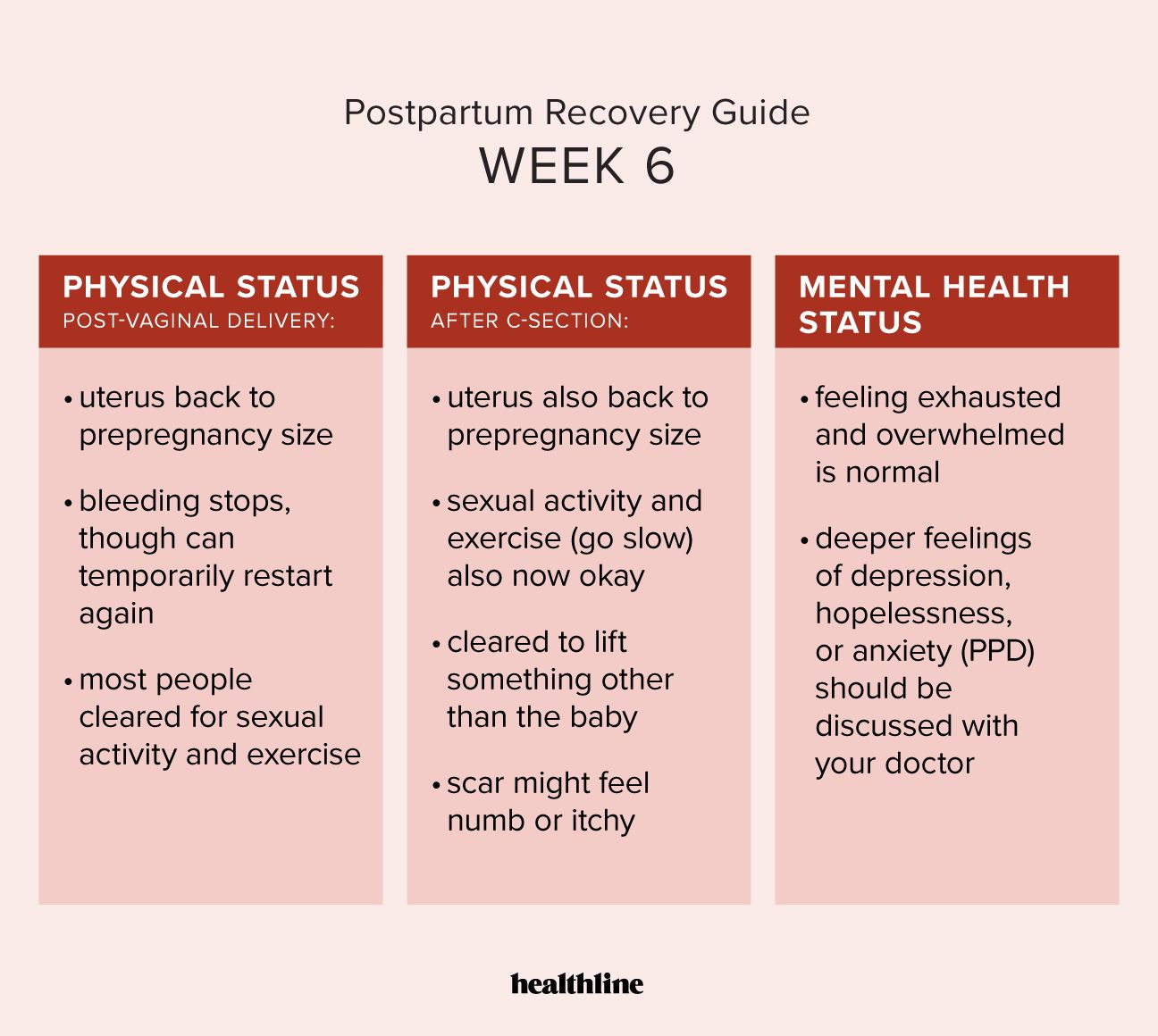
Week-by-week and month-by-month recovery stages
This section lays out common milestones during the Postpartum Recovery Timeline: What Moms Can Expect. Use it as a flexible map, not a strict rule.
Immediate postpartum (first 24 to 72 hours)
- What to expect: skin-to-skin bonding, bleeding, uterine cramping, and tiredness.
- Care tips: stay hydrated, eat small meals, accept help, and change pads often.
- When to call: heavy bleeding soaking more than one pad per hour or fever above 100.4°F.
First two weeks
- What to expect: heavy bleeding that tapers to spotting, sore perineum or incision, breast fullness.
- Care tips: ice packs for swelling, sitz baths for perineal pain, gentle walks to prevent clots.
- Examples: many moms need naps and support with baby care.
Weeks 3 to 6
- What to expect: lochia (post-birth bleeding) slows, energy slowly returns, first postpartum check at about 6 weeks.
- Care tips: pelvic floor exercises, light activity, avoid heavy lifting.
- When to call: increasing pain, continued heavy bleeding, or signs of infection.
Months 2 to 3
- What to expect: clearer sleep patterns for some, hormonal shifts stabilizing, gradual return to routine.
- Care tips: set realistic goals, rebuild core strength with guided exercise, seek help for mood concerns.
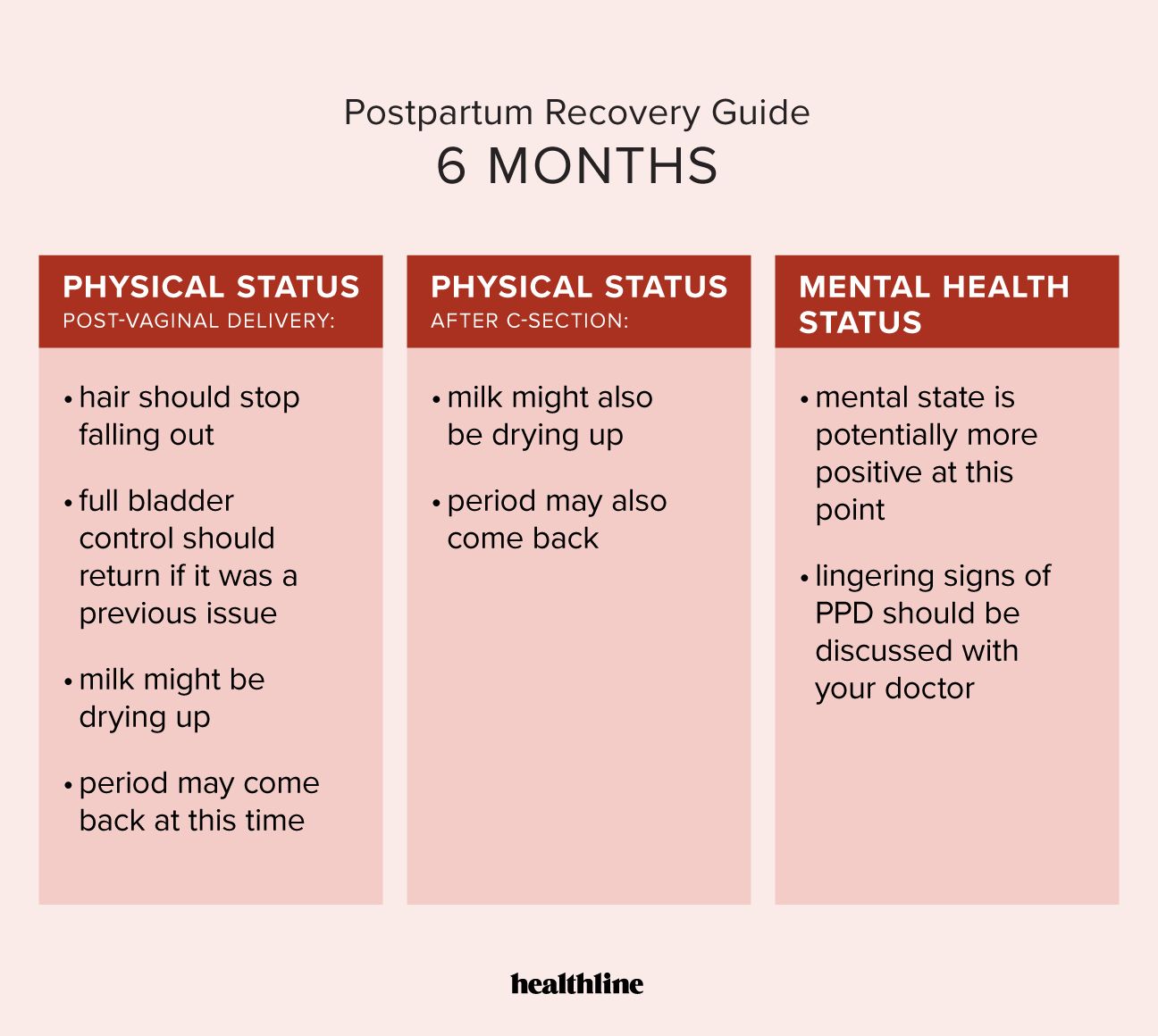
Months 4 to 6
- What to expect: many moms feel more like themselves, but some issues like hair loss or breastfeeding problems may continue.
- Care tips: adjust nutrition, return to more active exercise by following medical advice.
Up to 12 months
- What to expect: body and mood often normalize, but recovery continues; some changes can last longer, especially after complications.
- Care tips: prioritize follow-up care, pelvic health, and emotional support.
These stages describe a common course for the Postpartum Recovery Timeline: What Moms Can Expect. If recovery veers from this map, talk to your provider.

Physical changes and how long they last
Physical healing is central to the Postpartum Recovery Timeline: What Moms Can Expect. Here are the main changes and typical timeframes.
Lochia and bleeding
* Typical: heavy for days, then lighter for 4 to 6 weeks.
- Tip: use pads, not tampons, and avoid baths if you have an open wound.
Uterine involution
- Typical: uterus shrinks over 6 weeks.
- Tip: cramping during breastfeeding is common and normal.
Perineal tears and episiotomy
- Typical: mild tears heal in 2 to 3 weeks; deeper tears may take months.
- Tip: use sitz baths, pain relief as advised, and pelvic floor exercises.
C-section incision
- Typical: skin healing in 2 to 4 weeks; internal healing takes longer.
- Tip: avoid heavy lifting for at least 6 weeks and watch for redness or drainage.
Hair loss and skin changes
- Typical: hair shedding peaks 3 to 4 months and often normalizes by 12 months.
- Tip: balanced diet helps; speak with your clinician if hair loss is severe.
Energy and sleep
- Typical: fragmented sleep can last months; energy improves as baby sleeps longer.
- Tip: nap when the baby naps and ask for help with night feeds.
These patterns are common in the Postpartum Recovery Timeline: What Moms Can Expect. If pain or bleeding seems extreme, seek care.
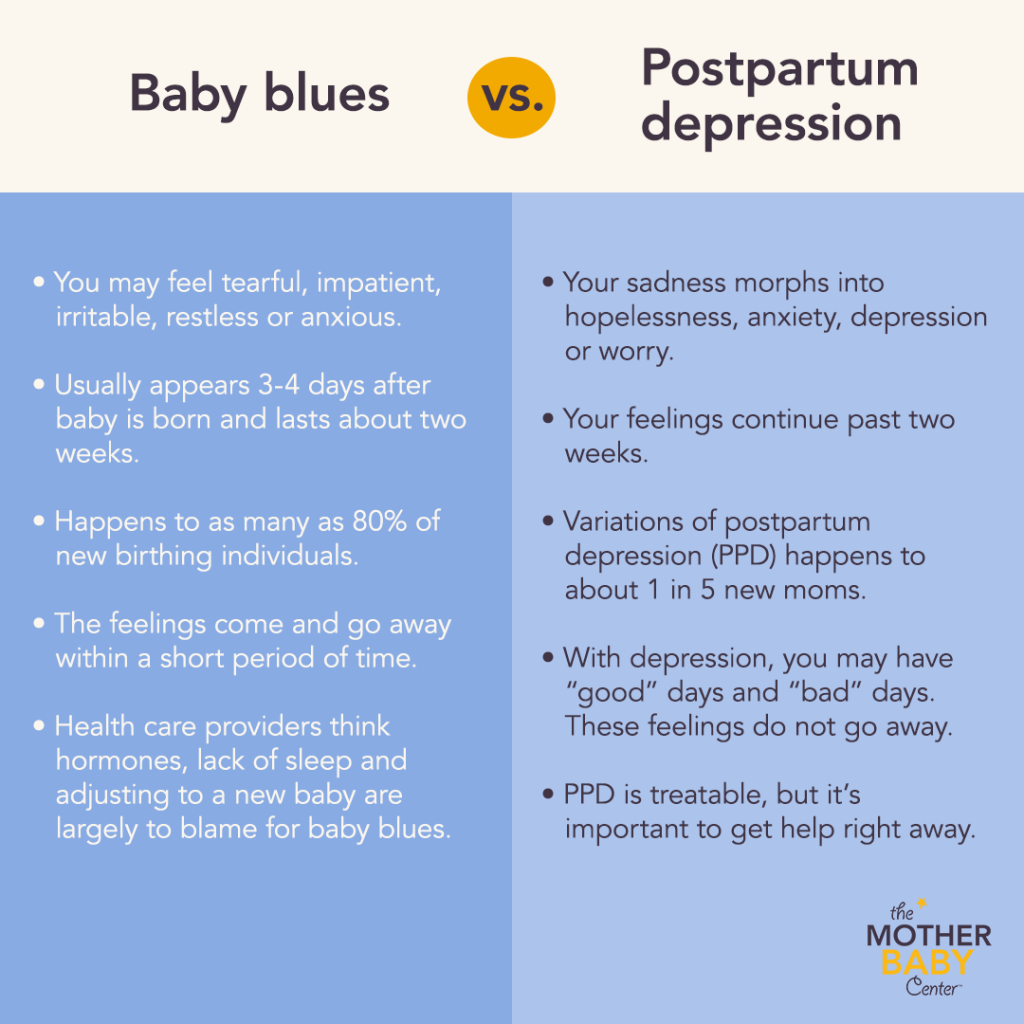
Emotional and mental health timeline
Emotional recovery is as vital as physical healing in the Postpartum Recovery Timeline: What Moms Can Expect. Mood shifts vary widely.
Baby blues
- Timing: common in the first 2 weeks after birth.
- Signs: tearfulness, mood swings, mild anxiety.
- Tip: rest, social support, and gentle self-care usually help.
Postpartum depression and anxiety
- Timing: can appear anytime in the first year, often around weeks 4 to 12.
- Signs: persistent sadness, lack of interest, panic, trouble bonding, or severe worry.
- Action: about one in eight women may have postpartum depression; seek help early. Treatment options include therapy, medication, and support groups.
Postpartum psychosis (rare)
- Timing: usually within days to weeks after birth.
- Signs: delusions, severe confusion, or hallucinations.
- Action: this is an emergency. Seek immediate care.
Personal note: I once supported a new mother who felt useless during week four. With therapy and a care plan, she improved within weeks. Early help changed her recovery.
Emotional care is part of the Postpartum Recovery Timeline: What Moms Can Expect. Trust your instincts and ask for help when things feel wrong.
Breastfeeding and lactation timeline
Breastfeeding follows a predictable path in many cases but varies. This section explains what to expect in the Postpartum Recovery Timeline: What Moms Can Expect.
First 48 to 72 hours
- Colostrum is common and nutrient-rich.
- Tip: frequent feeding or pumping helps milk production.
Day 3 to 5
- Milk often “comes in” with fullness and possible engorgement.
- Tip: proper latch, cold packs, and pain relief can ease discomfort.
Weeks 2 to 6
- Supply usually stabilizes as feeding is established.
- Tip: seek a lactation consultant for latch or pain issues.
Later months
- Supply adapts to demand; weaning is gradual when chosen.
- Tip: slow weaning avoids engorgement and mastitis.
Mastitis and blocked ducts
- Can occur anytime, often in weeks 2 to 8.
- Action: treat early with rest, warm compresses, and medical care if fever occurs.
The Postpartum Recovery Timeline: What Moms Can Expect includes milk changes. Get support early to reduce problems.
:max_bytes(150000):strip_icc()/parentspostpartumrecoverytimeline-e7b5b7c597bc46d8b66e8ff55b045853.png)
Returning to exercise, work, and sex
Many moms ask when they can return to normal activities. The Postpartum Recovery Timeline: What Moms Can Expect gives general guidance, but follow your provider.
Return to light activity
- Timing: gentle walks can start within days if you feel up to it.
- Tip: listen to your body and avoid strain.
Return to more intense exercise
- Timing: often 6 to 12 weeks, depending on delivery and healing.
- Tip: get clearance at your postpartum visit and focus on pelvic floor rehab.
Return to sex
- Timing: commonly recommended after bleeding stops and perineal healing, about 6 weeks, but personal readiness varies.
- Tip: use lubrication and communicate with your partner.
Return to work
- Timing: depends on leave policies and recovery; many return around 6 to 12 weeks.
- Tip: plan gradual transitions and ask for flexible arrangements when possible.
This practical framework fits within the Postpartum Recovery Timeline: What Moms Can Expect. Always personalize plans.

Risk signs and when to seek care
Know the red flags in the Postpartum Recovery Timeline: What Moms Can Expect. Quick action can prevent serious problems.
Call your provider if you notice:
- Heavy bleeding soaking a pad every hour.
- Fever above 100.4°F or chills.
- Severe pain that does not respond to meds.
- Foul-smelling discharge or wound drainage.
- Shortness of breath, chest pain, or leg swelling.
- Thoughts of harming yourself or your baby.
These issues are not normal. Early care improves outcomes and supports recovery.
Frequently Asked Questions of Postpartum Recovery Timeline: What Moms Can Expect
How long does physical recovery usually take?
Most physical healing happens in the first 6 to 12 weeks, but full recovery can take up to a year. Recovery speed varies by delivery type, complications, and individual health.
When should I see my provider after birth?
A postpartum check is typically scheduled at about 6 weeks, though some providers see you earlier. Contact your provider sooner for heavy bleeding, fever, or severe pain.
How long do mood changes last after birth?
Baby blues often resolve in 1 to 2 weeks. Postpartum depression or anxiety may last months and benefits from early treatment and support.
Is it normal to have ongoing pelvic pain?
Some discomfort is common after birth, but persistent or worsening pain is not normal. Pelvic floor therapy and medical evaluation can help if pain continues beyond a few weeks.
When can I start exercising safely?
Light activity can start soon, but return to high-impact or heavy lifting usually waits until after your 6-week check and with your provider’s approval.
Can I still breastfeed if I have pain or infection?
Often yes. Many treatments allow continued breastfeeding, but follow advice from your care team and a lactation consultant.
What if my bleeding suddenly gets heavier after it slowed?
A sudden increase can signal a problem like retained tissue or infection. Contact your provider immediately.
Conclusion
The Postpartum Recovery Timeline: What Moms Can Expect maps common stages from the first hours to a year after birth. Expect physical healing, shifting moods, and gradual returns to activity. Use clear signs and timelines as a guide, but treat your personal pace as the priority. Seek help early for heavy bleeding, fever, severe pain, or persistent mood issues.
Takeaway: plan rest, ask for help, and trust your care team. If you found this guide useful, share your questions or experiences below, subscribe for more postpartum resources, or consult your provider to make a tailored recovery plan.