

Rest, boundaries, and regular help are the quickest ways to prevent caregiver burnout.
I write from years of both caregiving and advising families. I know how deeply mothers give and how quickly fatigue builds. This article explains how mothers can avoid caregiver fatigue and exhaustion with clear steps, real-life tips, and proven strategies. I combine research-backed guidance, practical routines, and honest personal lessons so you can protect your health while caring well for others. Read on to get actionable, easy-to-use plans that fit a busy mother’s life.
Why caregiver fatigue happens and what it means
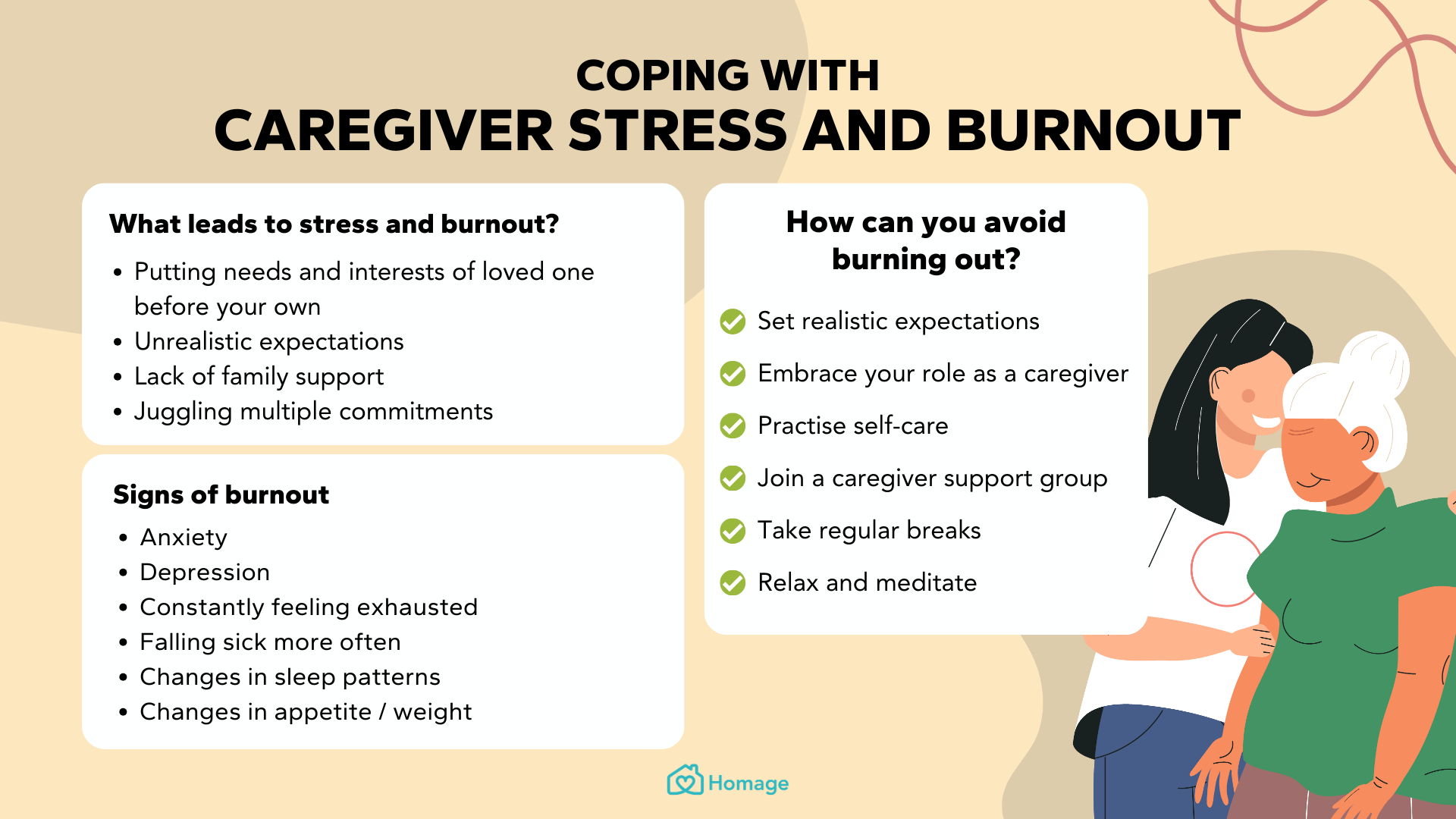
Caregiver fatigue is a steady decline in physical and mental energy due to prolonged care duties. It shows as constant tiredness, low mood, irritability, and reduced patience. Many mothers juggle jobs, childcare, and elder care. This constant demand raises stress hormones and drains reserves over time.
Causes include long hours without breaks, lack of sleep, poor nutrition, social isolation, and unclear boundaries. Emotional labor and guilt drive many mothers to skip rest. Understanding root causes helps you act early. When you know why caregiver fatigue happens, you can plan to stop it.

Recognizing early signs before exhaustion takes over
Spotting early signs keeps small problems from becoming crises. Watch for physical, emotional, and thinking changes.
- Physical signs: frequent headaches, tense muscles, sleep problems, or constant tiredness.
- Emotional signs: irritability, sadness, numbness, or decreased joy.
- Cognitive signs: forgetfulness, trouble concentrating, or indecision.
If you notice these signs, act quickly. Early action prevents long-term burnout. Quick answers to common concerns: If you feel guilty asking for help, remember that rest improves care. If sleep is poor, short naps and routine help reset your energy.
Practical daily strategies to avoid caregiver fatigue
Small routines add up. Use habits that are simple and repeatable.
- Prioritize sleep: aim for consistent bed and wake times and 30–60 minutes of wind-down.
- Use micro-rests: five-minute breathing breaks every 90 minutes boost focus and calm.
- Delegate one task daily: share chores with partners, kids, or friends.
- Batch tasks: group errands, meals, or calls to cut decision fatigue.
- Create predictable routines: routines lower stress and free mental energy.
When you apply these tactics, caregiver tasks feel smaller. How mothers can avoid caregiver fatigue and exhaustion begins with routines that protect energy. Repeat these steps daily for best results.

Building a support system and setting boundaries
No mother should do this alone. Build a practical support net.
- Map available help: list family, friends, neighbors, and paid services.
- Ask specifically: say what you need and when, for example, “Can you pick up the kids Tuesday?”
- Schedule respite: plan regular breaks and short replacements for caregiving duties.
- Set clear limits: define hours when you are unavailable for care or calls.
Clear boundaries reduce surprise demands. Support and limits work together to protect your time. Learning how mothers can avoid caregiver fatigue and exhaustion often means getting comfortable saying no.

Self-care as a non-negotiable caregiving tool
Self-care is not selfish. It is prevention and repair.
- Move daily: short walks or stretching boost mood and reduce pain.
- Eat simple, steady meals: balanced snacks keep energy stable.
- Seek mental health support: therapy or peer groups offer perspective and tools.
- Practice one calming habit: deep breathing, journaling, or a five-minute meditation.
Small, consistent self-care beats big, rare changes. Think of self-care as refueling a car. Regular tops-ups keep you going. This is key to how mothers can avoid caregiver fatigue and exhaustion.

Practical planning: finances, workplace, and legal steps
Planning reduces hidden stress and future crises.
- Check benefits: review employer leave, sick days, or caregiver support programs.
- Create a contingency budget: set aside small emergency funds for help.
- Organize documents: keep medical info, care plans, and legal papers easy to find.
- Communicate with your employer: ask about flexible hours or telework when needed.
Financial and workplace safety nets lower chronic stress. A clear plan prevents last-minute panic. These steps make how mothers can avoid caregiver fatigue and exhaustion practical and sustainable.

Personal experience: lessons I learned and mistakes to avoid
I’ve balanced work and care for years. I once thought I had to do everything alone. That led to sleepless nights and low energy. I learned to ask for help and to trade perfection for good-enough.
Key lessons I share from my experience:
- Start small. Ask for a single errand or one evening off each week.
- Keep checklists. A short list at night makes mornings easier.
- Accept imperfect help. Let others help in their way.
- Track energy, not tasks. Notice days you feel better and repeat them.
These practical lessons shaped my approach. They show how mothers can avoid caregiver fatigue and exhaustion by making small, steady changes.

Tools, routines, and resources to implement today
Use simple tools that save time and energy.
- Shared calendars: coordinate tasks and shifts with family.
- Meal planning apps: reduce daily decision stress about food.
- Respite services list: assemble names and costs of local helpers.
- Quick self-check tool: daily mood, sleep, and pain tracker.
Sample daily routine for busy mothers:
- Morning: 10 minutes planning and a healthy snack.
- Midday: 15-minute walk or nap.
- Evening: delegate one chore and 20 minutes of quiet time.
These tools make good days repeatable. They show how mothers can avoid caregiver fatigue and exhaustion in clear steps you can try now.
Frequently Asked Questions of How Mothers Can Avoid Caregiver Fatigue and Exhaustion
What is the fastest way to reduce caregiver fatigue right now?
Take a 20-minute break to rest, hydrate, and breathe. Use that break to call for a short help shift or trade tasks with someone else.
How often should a mother schedule respite or breaks?
Aim for small breaks daily and a longer respite weekly or biweekly. Regular breaks prevent stress from accumulating into exhaustion.
Can therapy or support groups really help?
Yes. Talking with professionals or peers reduces isolation and gives coping skills. It also normalizes the emotional load of caregiving.
How do I ask my partner or family for help without feeling guilty?
Be specific about what you need and when you need it. Frame requests as scheduling teamwork rather than favors, and accept offers gratefully.
Are there simple self-care steps that work even on busy days?
Yes. Short walks, five-minute breathing exercises, and balanced snacks can improve energy. Small consistent habits beat rare grand efforts.
When should a mother seek professional help for burnout?
Seek help if sleep, mood, or concentration do not improve after two weeks of rest and support. Professional care is important if daily life or safety is affected.
Conclusion
Caregiving can be rewarding and draining at once. The best path forward is clear routines, honest boundaries, and steady support. Start small: schedule one daily break, ask for one specific favor, and try a short calming practice. These steps will protect your health and improve the care you give. Take one action today, track how it feels, and build from there. Share your experience, subscribe for more guides, or leave a comment about what worked for you.