

Healthy boundaries help parents protect wellbeing, teach respect, and raise confident children.
I have spent years helping families build better routines and relationships, and I know how critical clear limits are. This article explains how to set healthy boundaries as a parent with practical steps, age-specific tips, and real-world examples. You will learn why boundaries matter, how to create them, how to handle pushback, and how to keep love and connection while enforcing limits. Read on to gain tools you can use today.

Why healthy boundaries matter for families
Healthy boundaries protect parents and children. They create safe, predictable homes where kids learn limits and respect.
Boundaries reduce stress and prevent burnout. Clear rules help children feel secure and give parents space to recharge.
Research and clinical practice show that consistent boundaries link to better behavior and emotional health in children. Setting boundaries is not about control. It is about teaching responsibility and healthy relationships.
What healthy boundaries look like
Healthy boundaries are clear, consistent, and age-appropriate. They balance firm limits and warmth.
Examples include set bedtimes, screen-time rules, and ways to speak respectfully. Boundaries can be physical, emotional, or time-based.
Good boundaries are explained calmly, agreed when possible, and enforced fairly. They include room for negotiation and growth as children mature.
How to Set Healthy Boundaries as a Parent: Step-by-step guide
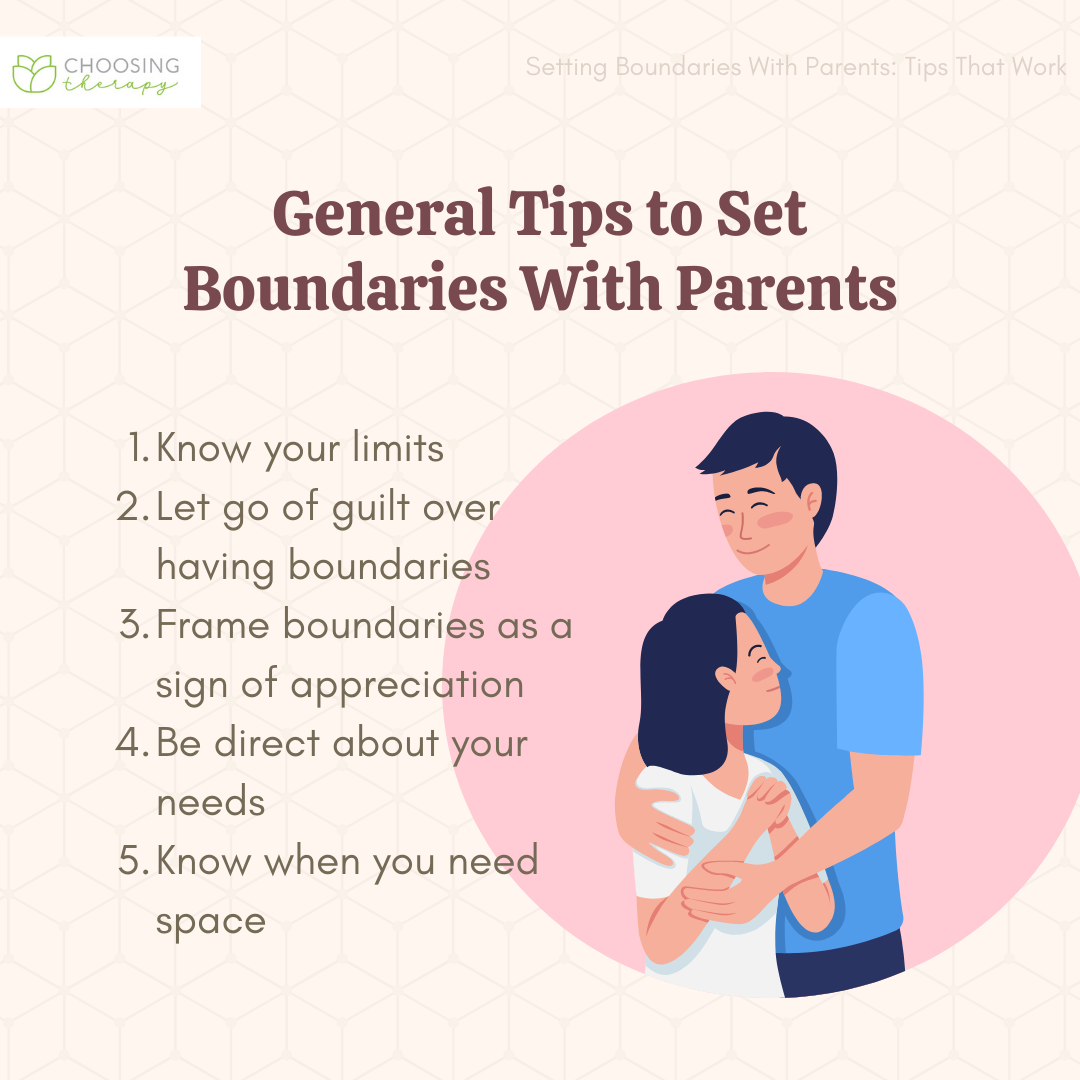
- Clarify your values and limits.
- Decide what matters most to you. Examples: safety, sleep, schoolwork, kindness.
- Write one-sentence rules to keep them simple.
- Define specific behaviors.
- Turn values into actions. Example: "No devices during dinner" is clearer than "Be present."
- Use short, measurable rules.
- Communicate calmly and clearly.
- Explain the rule and the reason in plain language.
- Use "when/then" statements: "When you finish homework, then you can play."
- Involve the child when appropriate.
- Ask older kids for input on consequences and routines.
- Collaboration builds buy-in and teaches negotiation.
- Set consistent consequences and follow through.
- Keep consequences proportional and predictable.
- Enforce them without anger and with short explanations.
- Model the boundary.
- Show your own limits. Example: "I’m taking 20 minutes to read now. I’ll be ready to help after that."
- Kids learn from what you do more than what you say.
- Review and adjust as needed.
- Revisit rules monthly or at major changes.
- Be flexible but not wishy-washy.
These steps show how to set healthy boundaries as a parent in a way that reduces conflict and builds trust. Short, steady actions win over time.
Setting boundaries by age and stage
Toddlers (1–3 years)
- Focus on safety and routine.
- Use simple choices: "Do you want the blue cup or the red cup?"
- Keep rules clear and immediate.
Preschool to early elementary (4–8 years)
- Introduce chores and short responsibilities.
- Explain reasons simply and repeat rules.
- Use timers and visual cues.
Middle childhood (9–12 years)
- Add limits on devices and friends.
- Give more choices and natural consequences.
- Encourage problem solving.
Teens (13–18 years)
- Shift toward negotiation and trust-building.
- Set boundaries around curfew, privacy, and responsibilities.
- Focus on clear agreements and earned freedoms.
Each stage requires different approaches. Adjust how you explain rules and what you expect. This is key to learning how to set healthy boundaries as a parent across a child’s development.
Common challenges and how to handle them
Challenge: Child pushes limits repeatedly.
- Strategy: Stay calm. Re-state the rule and consequence. Be consistent.
Challenge: Guilt about being strict.
- Strategy: Remind yourself boundaries teach skills. Self-care matters for parents too.
Challenge: Co-parenting conflicts.
- Strategy: Align rules in private, present a united front, and compromise only in private.
Challenge: Child has intense emotions or meltdown.
- Strategy: Prioritize safety and connection. Use brief comfort, then re-state limits.
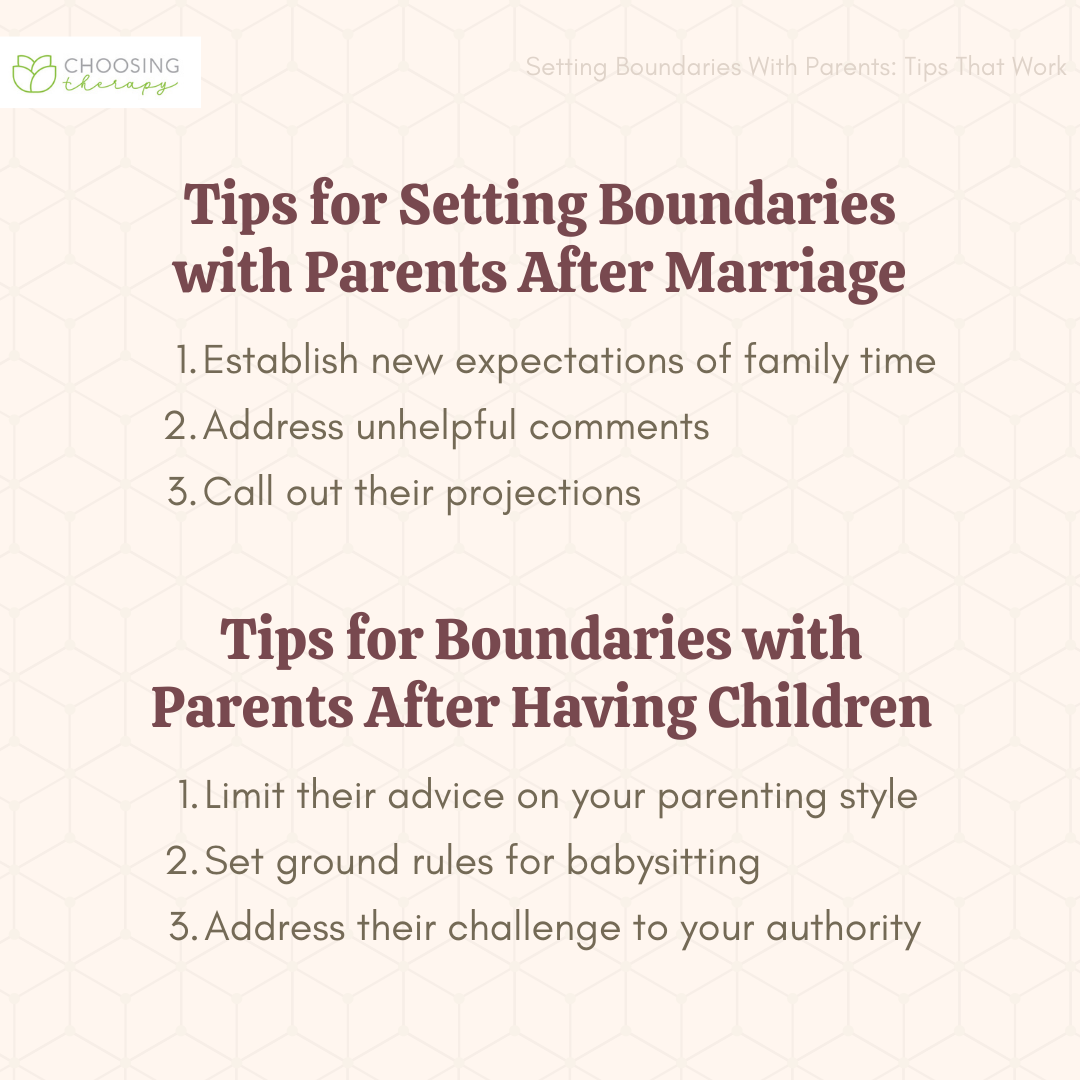
Challenge: Backlash from extended family.
- Strategy: Communicate your plan kindly and stick to it. Offer to explain the reason for rules.
These strategies help you keep limits without harming the relationship. They show practical ways to handle real-life pushback when learning how to set healthy boundaries as a parent.

Personal experience and lessons learned
In my work with families, I learned that consistency beats perfection. One family I worked with moved from daily fights about bedtime to calm routines by explaining the rule, giving a five-minute warning, and praising small wins. That change took two weeks of steady practice.
Mistakes I made early on included trying to negotiate every rule. That led to confusion. I now recommend parents pick three core boundaries to enforce first. Success builds confidence for both parent and child.
A key lesson: empathy and firmness can coexist. Saying "I know you want to keep playing, and I need you in bed by 8" keeps connection while holding the line.
Practical scripts and examples
Use short, neutral scripts to state limits.
- "Dinner is at 6. Please wash hands now."
- "When homework is done, screen time starts."
- "I can’t help until I finish this call. I will help at 4:30."
Use consequence scripts that are brief.
- "You didn’t follow the rule, so no device for tonight."
- "If you yell, we will take a break for 10 minutes."
Role-play these lines. Keep tone calm and steady. Practicing helps you deliver boundaries without anger and shows children what to expect.

Measuring success and adjusting
Look for small wins: fewer power struggles, better sleep, more cooperation. Track changes week to week.
If a rule causes constant fights, revisit it. Ask: Is the rule reasonable? Is the consequence fair? Change only after a review.
Celebrate improvements and acknowledge effort. This reinforces the behavior you want and keeps the goal clear when you practice how to set healthy boundaries as a parent.

Frequently Asked Questions of How to Set Healthy Boundaries as a Parent
How do I start setting boundaries without causing a fight?
Start small and pick one key rule. Explain it calmly, give a brief warning, and follow through consistently.
What if my partner disagrees with the boundaries?
Have a private conversation to align on values. Present a united plan to children and agree on consequences beforehand.
How strict should boundaries be for teens?
Be firm on safety and responsibilities, but offer negotiated freedoms tied to trust and outcomes. Adjust rules as teens show responsibility.
How do I handle guilt when enforcing limits?
Remember that boundaries teach skills and protect wellbeing. Practice self-care and remind yourself of the long-term benefits.
Can boundaries change over time?
Yes. Boundaries should evolve with a child’s age, maturity, and family needs. Regularly review and update rules together.
What if my child has special needs and struggles with rules?
Work with professionals to tailor limits. Use clear routines, visual supports, and consistent, gentle reinforcement.
Conclusion
Healthy boundaries create calm homes, teach responsibility, and protect parent wellbeing. Starting small, communicating clearly, and staying consistent are the core steps to learn how to set healthy boundaries as a parent. Use empathy, short scripts, and age-appropriate rules to keep connection while holding limits. Try one new rule this week, practice it for two weeks, and adjust as needed. Share your progress or questions below and consider subscribing for more practical parenting tools.