

Mothers need consistent, quality sleep to stay healthy, alert, and emotionally resilient.
I write about maternal health from years of work with new parents and sleep programs. I know the medical and practical sides of The Importance of Sleep for Mothers and How to Get More Rest. This article explains why sleep matters, what disrupts it, realistic strategies to improve rest, and actionable plans you can try tonight. Read on for clear, expert-backed advice and practical steps that fit real family life.

Why sleep matters for mothers
The Importance of Sleep for Mothers and How to Get More Rest starts with health. Sleep restores the brain, balances mood, supports immune function, and repairs the body.
Short sleep raises the risk of anxiety, depression, and chronic illness. New and experienced mothers both lose sleep, and the effects show in memory, decision-making, and patience. Good sleep improves breastfeeding success, recovery after birth, and daily energy. Aim for sleep that feels restorative, not just longer.
Common causes of sleep loss for mothers
Understanding reasons helps you fix them. The Importance of Sleep for Mothers and How to Get More Rest depends on identifying the true causes of wakefulness.
- Night feeding and infant sleep patterns create repeated awakenings.
- Stress, worry, and the mental load keep the mind active at night.
- Irregular schedules from shift work or parenting demands break circadian rhythms.
- Physical pain after childbirth, hormonal shifts, and medical conditions like sleep apnea cause fragmented sleep.
- Poor sleep habits and screen use close to bedtime reduce sleep quality.

How to get more rest: practical strategies
Improving The Importance of Sleep for Mothers and How to Get More Rest means combining small habits with real-life supports. Use steps that are simple and repeatable.
- Prioritize a sleep window — choose a consistent bedtime and wake time when possible.
- Share night duties — alternate feedings, diaper changes, and soothing with a partner or caregiver.
- Optimize the sleep environment — keep the room cool, dark, and quiet; use white noise if helpful.
- Practice brief wind-down routines — 15 minutes of calm activities like light reading or deep breathing.
- Limit caffeine after mid-afternoon and avoid heavy meals right before bed.
- Use naps strategically — short 20–40 minute naps restore alertness without disrupting night sleep.
- Batch tasks and lower the mental load — plan lunches and outfits in the evening to reduce morning stress.
- Ask for help — family, friends, or paid care can create blocks of uninterrupted sleep time.
- Consider sleep-training options for older infants if developmentally appropriate and aligned with your values.
These moves preserve sleep in the short term and build long-term resilience. Small changes add up quickly.

Sleep tips by stage
Tailor The Importance of Sleep for Mothers and How to Get More Rest to the stage you’re in. Different phases need different solutions.
Pregnancy
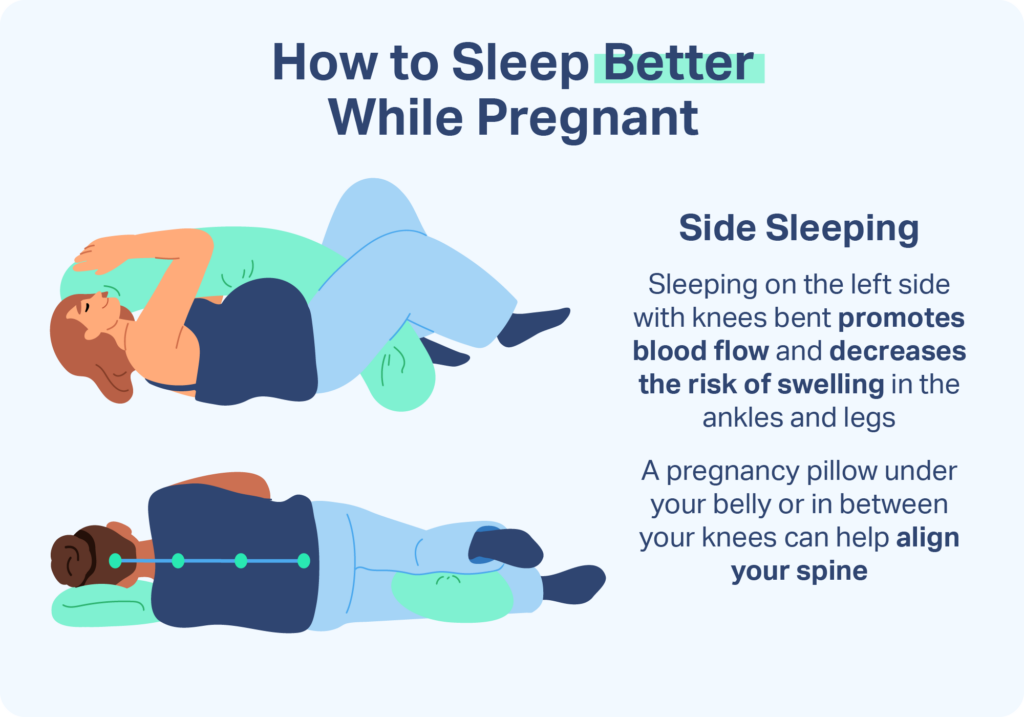
- Rest when you can and split sleep into chunks if needed.
- Use pillows for comfort and pelvic support.
- Discuss insomnia or vivid dreams with your care provider.
Postpartum (first 3 months)
- Plan night support and accept imperfect sleep as normal.
- Try to rest when the baby rests.
- Keep feedings calm and low light to preserve circadian cues.
Breastfeeding mothers
- Offer motion or pumped milk to partners for some night feeds.
- Use skin-to-skin during the day to support milk supply, allowing longer night stretches.
Toddlers and preschoolers
- Set consistent sleep routines and bedtimes.
- Address nighttime fears and gradual independence to reduce night wakings.
Working mothers
- Carve out wind-down time and protect sleep windows on workdays.
- Use commute time mindfully (not as “catch-up rest” if driving).

My experience and lessons learned
I have coached parents and lived through phases of few nights of deep sleep. That taught me what actually works.
I learned to trade perfection for consistent routines. Early on I tried to “do it all” and burned out. The biggest gains came from setting a firm bedtime and asking for help. I also learned that naps are not a sign of failure — they are a tool. Mistakes to avoid include comparing your sleep to others and relying on screens to unwind. Small, steady changes work better than drastic fixes.
Barriers and when to seek professional help
The Importance of Sleep for Mothers and How to Get More Rest includes knowing limits. Some problems need clinical attention.
Seek help if sleep loss leads to persistent depression, anxiety, or impaired daily function. Talk to a provider about possible sleep disorders like obstructive sleep apnea or restless legs. If nightmares, panic attacks, or suicidal thoughts appear, seek immediate care. A sleep specialist, mental health professional, or lactation consultant can provide targeted help.

Practical nightly checklist to try tonight
A short checklist makes change possible. Use this to strengthen The Importance of Sleep for Mothers and How to Get More Rest.
- Set a consistent bedtime alarm to start winding down.
- Turn off screens 30–60 minutes before bed.
- Make the room cool and dark.
- Ask your partner to handle one feeding or soothing shift.
- Take a 20–30 minute nap if you can, not later than mid-afternoon.
- Write down tomorrow’s top three tasks to reduce nighttime rumination.
Frequently Asked Questions of The Importance of Sleep for Mothers and How to Get More Rest
How much sleep do mothers really need?
Most adults need 7–9 hours nightly, but new mothers may need flexible patterns. Short naps and shared night care can help reach restorative totals.
Is it normal to feel exhausted months after childbirth?
Yes, persistent tiredness is common, but if it lasts many months or affects mood and function, consult a provider. Persistent fatigue can signal postpartum depression or sleep disorders.
Can naps help without ruining nighttime sleep?
Short naps of 20–40 minutes help alertness and usually do not harm night sleep if taken before mid-afternoon. Long or late naps can shift your sleep drive and delay bedtime.
Are sleep training methods safe for infants?
Many evidence-based methods are safe when matched to the infant’s age and family values. Discuss options with your pediatrician and choose an approach that fits your goals.
Should I take sleep medication after childbirth?
Medication may be appropriate in select cases but discuss risks and benefits with your clinician, especially if breastfeeding. Nonpharmacologic strategies are usually first-line.
When is a consultation with a sleep specialist recommended?
If you experience loud snoring, gasping at night, excessive daytime sleepiness, or persistent insomnia despite good habits, seek a specialist. These signs may indicate a treatable sleep disorder.
Conclusion
Sleep is a foundation for health, mood, and parenting. The Importance of Sleep for Mothers and How to Get More Rest is not just a slogan — it is a practical guide to better days. Start with one small change tonight: protect a consistent bedtime, ask for help, or try a short nap. Track what improves and build from there. Share your progress, subscribe for more tips, or leave a comment to join the conversation.
