
Hydration Tips for Moms: Why Water Matters More Than You Think
I write from years of work with new and busy moms. I know how easily easy tasks like drinking water fall off the list. This guide, Hydration Tips for Moms: Why Water Matters More Than You Think, explains why water is central to mood, energy, breast milk, recovery, and daily focus. You will get clear science-backed advice, simple routines, and real-life tips that fit a busy family life.
Why hydration matters for moms
Hydration keeps the body working. Hydration Tips for Moms: Why Water Matters More Than You Think shows how water helps digestion, joint function, temperature control, brain clarity, and breast milk supply. Even small drops in hydration can raise fatigue and lower patience. Moms often put kids first. That makes hydration a silent but big health need.
- Circulation: Water helps blood flow and delivers nutrients.
- Mood: Even mild dehydration can affect mood and focus.
- Recovery: After birth, water speeds healing and fights constipation.
- Milk supply: Adequate fluids support breastfeeding comfort and supply.
Research shows that many adults do not meet daily fluid needs. Short, regular sips help most moms stay steady. Practical habits work better than one big glass.
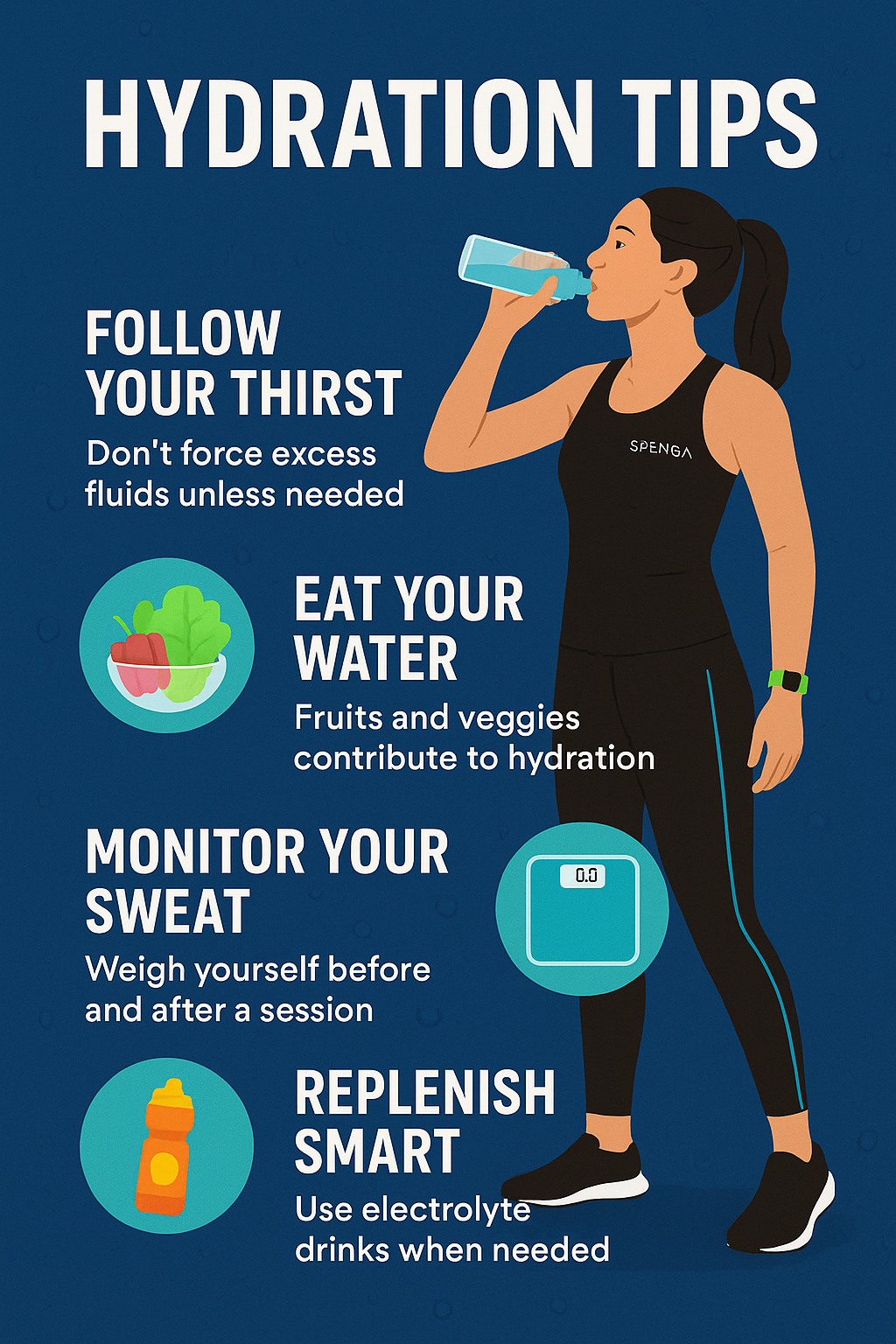
How much water do moms need?
Hydration Tips for Moms: Why Water Matters More Than You Think starts with simple targets. Needs vary. Aim for a clear, practical baseline and adjust.
- Basic guideline: 8 to 12 cups (64 to 96 ounces) daily for many women.
- Pregnancy: Add about 8 to 10 extra ounces a day.
- Breastfeeding: Add about 16 to 24 extra ounces daily.
How much water should I drink if I exercise? Drink an extra 8 ounces for short workouts and 12–20 ounces per hour for long or intense sessions.
What if I forget to drink? Keep bottles where you spend time and set gentle reminders on your phone.
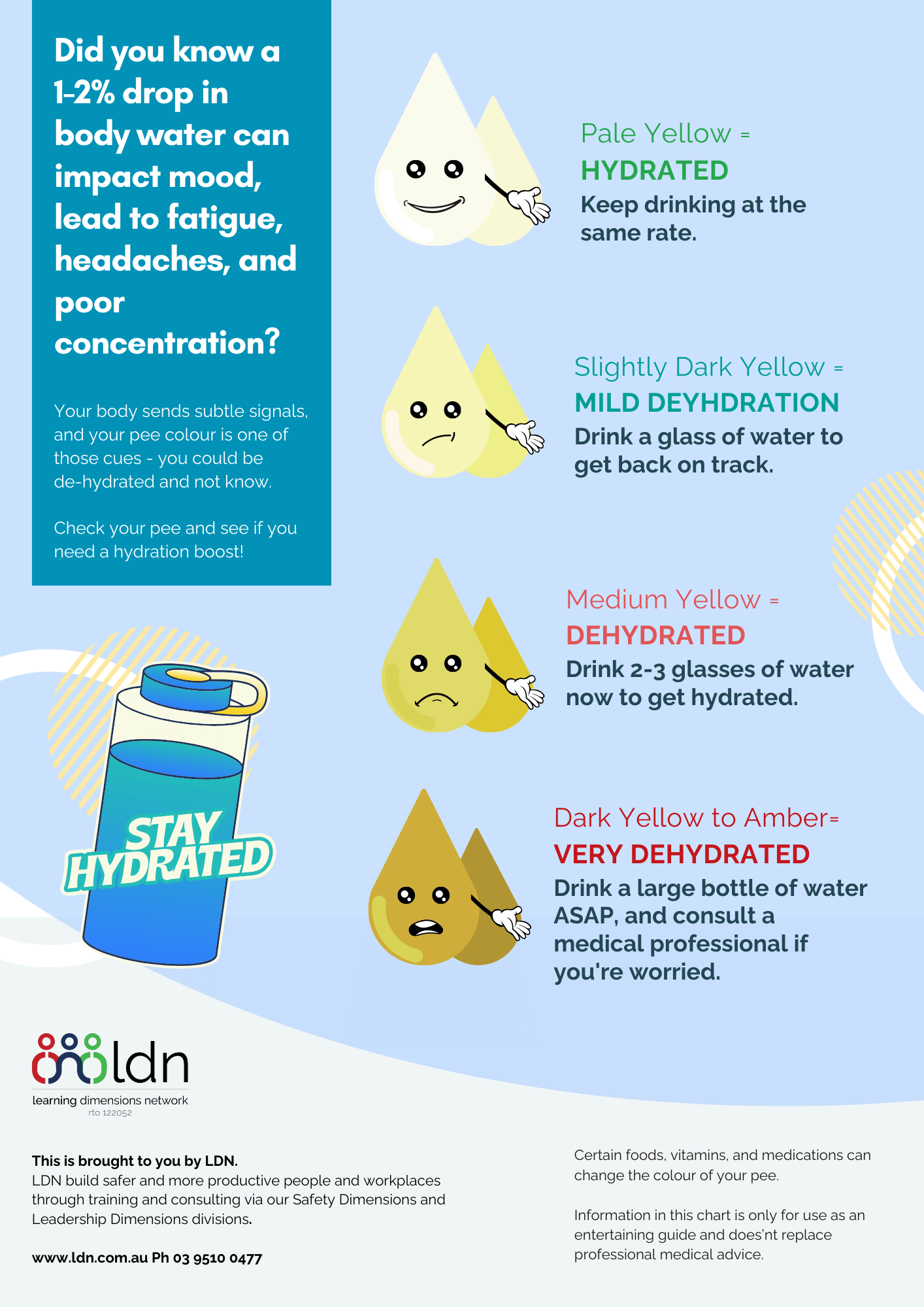
Listen to your body. Urine color is a simple check. Pale yellow usually means okay. Darker means drink more.
Practical hydration tips for busy moms
Hydration Tips for Moms: Why Water Matters More Than You Think becomes useful when it fits your day. These tips are low effort and high impact.
- Keep an easy bottle in key spots: kitchen counter, car, diaper bag.
- Use a marked bottle: shows how much to drink by time of day.
- Flavor water naturally: add lemon, cucumber, or berries for variety.
- Pair drinking with routines: after each feed, nap, or diaper change.
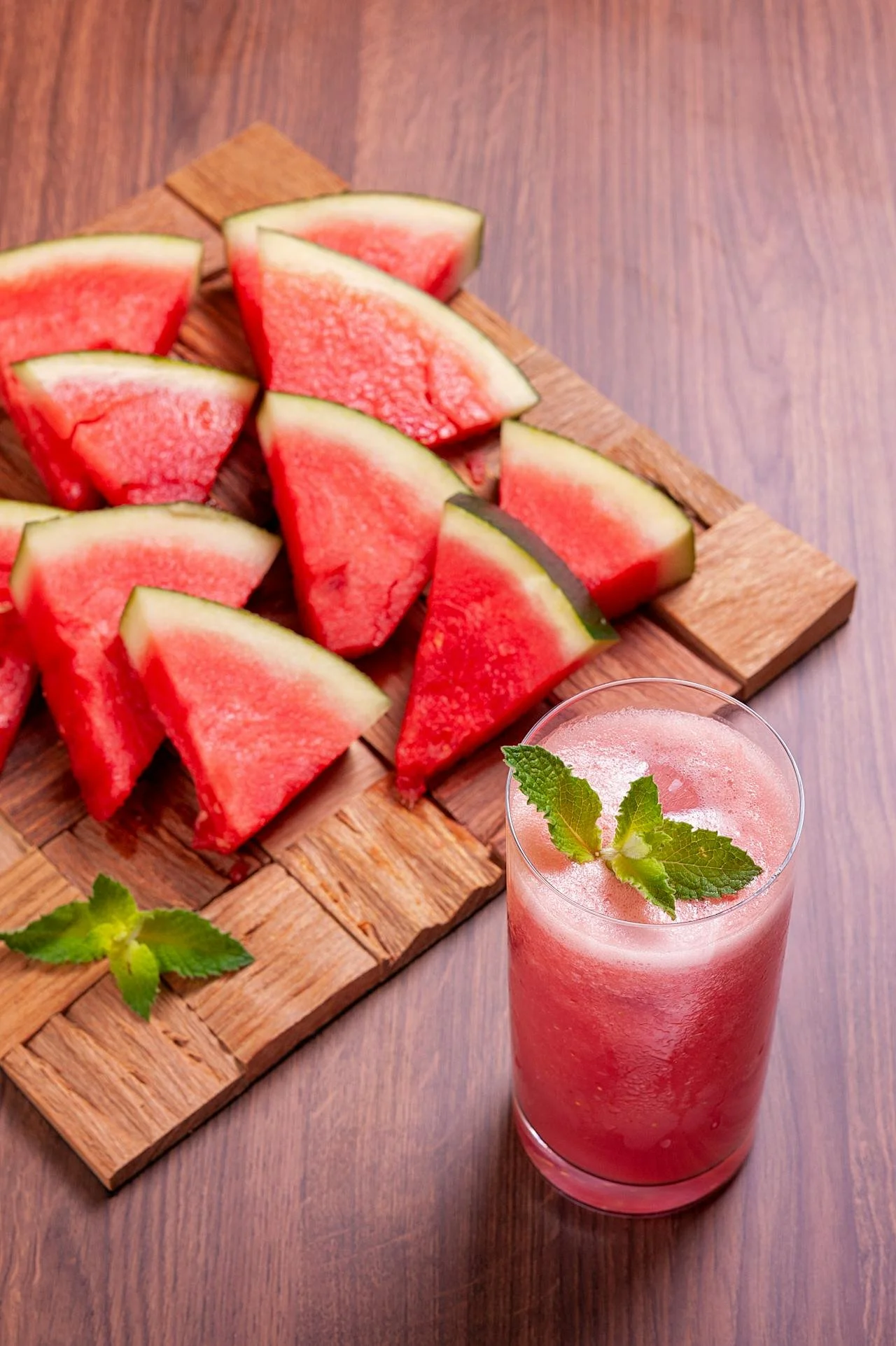
- Snack on hydrating foods: cucumbers, melons, tomatoes, and soups.
- Use warm water in the morning and cool water after activity.
- Limit sugary drinks: they can reduce appetite for water and add calories.
Short routines beat complex plans. I found that a 20-ounce bottle at my changing station raised my daily intake by two cups. Keep bottles attractive. That helps you use them.
 pregnancy and postpartum”
style=”max-width: 100%; height: auto; border: 2px solid black; border-radius: 10px; display: block; margin: 0 auto;”
loading=”lazy”
/>
Hydration during pregnancy and postpartum
Hydration Tips for Moms: Why Water Matters More Than You Think is vital in pregnancy and postpartum care. Fluid needs rise. Water supports blood volume, amniotic fluid, and milk production.
- Pregnancy signs that call for more fluids: swelling, dizziness, and reduced urine.
- Postpartum needs: replace fluids lost during birth and breast milk production.
- Cesarean recovery: fluids help avoid constipation and aid healing.
- Watch for preeclampsia signs: sudden swelling or very low urine output and seek care.
Research links good hydration to lower risk of common pregnancy discomforts. Talk to your care team about individual needs, especially if you have high blood pressure, kidney issues, or a special diet.
Hydration and breastfeeding
Hydration Tips for Moms: Why Water Matters More Than You Think covers breastfeeding because milk synthesis uses water. Drinking enough keeps you comfortable and may help supply.
- Drink a glass when you start nursing or pumping.
- Keep a water bottle nearby during feeds.
- Focus on thirst cues; breastfeeding often raises thirst naturally.
- Supplement with snacks that contain water for added hydration.
If milk seems low, check latch, milk removal, and rest first. Hydration helps but is rarely the only reason for low supply. For persistent issues, consult a lactation specialist.
.jpg)
Signs of dehydration and when to act
Hydration Tips for Moms: Why Water Matters More Than You Think helps you spot issues early. Mild dehydration is common. Watch for clear signs.
- Thirst and dry mouth.
- Dark urine or small volume.
- Fatigue, lightheadedness, or headache.
- Less elasticity in the skin when gently pinched.
- Dizziness or fast heartbeat in more severe cases.
For babies and toddlers, fewer wet diapers or a very dry mouth need quick attention. If symptoms worsen or a mom has persistent vomiting, fever, or medical conditions, seek care.

Tools, tracking, and products that help
Hydration Tips for Moms: Why Water Matters More Than You Think is easier to follow with a few tools. Use tech and simple gear to stay on track.
- Reusable bottles with time markers.
- Insulated bottles to keep water at a preferred temp.
- Apps or phone alarms set to 30–60 minute reminders.
- Meal prep that includes soups and smoothies.
- Electrolyte packets for long days or heavy sweating.
I tried several bottle styles. Wide-mouth insulated bottles stayed used the longest. Small changes matter more than perfect systems.

My experience and lessons learned
Hydration Tips for Moms: Why Water Matters More Than You Think reflects what I saw with clients and my own life. I once went days with low intake during a child's illness. I felt foggy and tired. I started a simple rule: drink two sips after each child task. Within two days I felt steadier.
Lessons learned:
- Start small and be consistent.
- Make drinking visible and easy.
- Pair water with existing routines.
- Accept that needs change with activity, weather, and life stage.
These small shifts improved mood and energy for me and the moms I coach.
Limitations and safety
Hydration Tips for Moms: Why Water Matters More Than You Think is a guide, not a one-size solution. Some conditions need tailored care.
- Certain kidney, heart, or electrolyte disorders require medical advice.
- Overdrinking is rare but can dilute sodium. Balance is key.
- Medications may affect fluid needs or urine output.
When in doubt, ask your doctor or a qualified clinician. Share your full health picture for clear guidance.
Quick checklist to start today
Hydration Tips for Moms: Why Water Matters More Than You Think can be acted on now. Use this small checklist.
- Place one refill bottle in a key spot each day.
- Drink a glass with breakfast and one with dinner.
- Keep water near while nursing or caring for kids.
- Add a cup of hydrating fruit or soup to your lunch.
- Set one gentle alarm for midday top-off.
Repeat these steps for one week. Notice small gains in mood and energy.
Frequently Asked Questions of Hydration Tips for Moms: Why Water Matters More Than You Think
How quickly will I feel better after drinking more water?
Most people notice minor improvements in focus and energy within a few hours. Full benefits for digestion and recovery may take days of consistent intake.
Can I count tea and coffee toward my fluid needs?
Yes. Tea and coffee count toward daily fluids. Limit excess caffeine and add plain water to balance intake.
Is there a simple way to track hydration with kids at home?
Use matching bottles for you and the kids and mark cup fills. Turn drinking into a short game to build the habit.
What if I have swelling while pregnant but need to drink more?
Mild swelling can occur even with good hydration. Focus on steady fluid intake, reduce excess salt, and elevate legs. Call your care team if swelling is sudden or severe.
Are electrolyte drinks necessary for breastfeeding moms?
Not usually. Most moms get enough electrolytes from food and water. Use electrolyte drinks for long workouts, illness, or heavy sweating.
Conclusion
Hydration Tips for Moms: Why Water Matters More Than You Think is practical, simple, and powerful. Water supports mood, energy, recovery, and milk supply. Small habits beat perfect plans. Start with one visible bottle, pair sips with routines, and increase fluids when you are active or pregnant. Try the quick checklist for a week and notice the difference.
Take action today: place one refill bottle where you spend the most time. Share your wins or questions below and consider subscribing for more evidence-based tips for life with kids.